

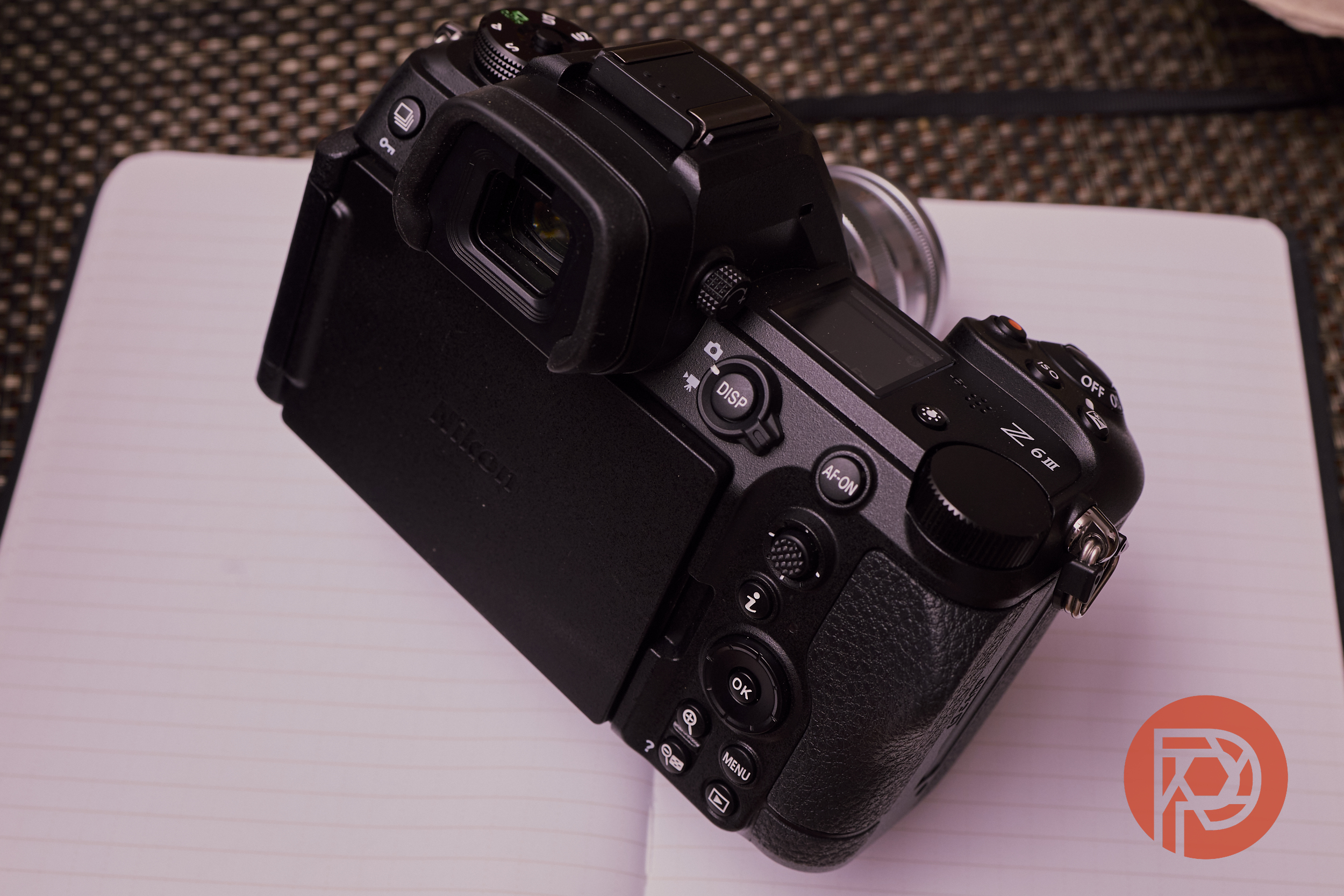
There are still photographers who wax poetic about shooting film and capturing the feeling and results in digital. After coming across Real Analog Film, a company that makes Lightroom presets, which advocates for using digital cameras like an analog one, I was intrigued by the absurdity of the concept. So, I pulled out an old 1GB SD card, changed my settings on my Nikon Z6III, and hid the rear monitor for five days. Did this turn digital photography into an analog experience? Well….
The Five-Day “Analog” Challenge
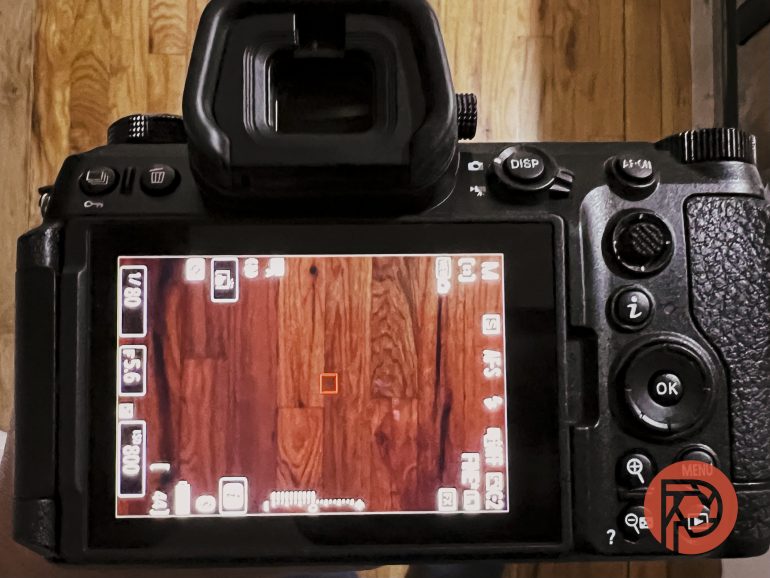
Before going further into this challenge, it’s important that I provide some background. A couple of months ago, I came across a company selling Lightroom Presets called RealAnalogFilm. There’s nothing particularly unique about the premise – they like the look of analog film and sell presets intended to mimic the color and texture of some popular film emulsions. However, when reading the company’s About page, I became intrigued by the idea of taking the idea of digital analog further – taping over LCD screens and intentionally using smaller-sized memory cards to mimic the scarcity of frames in a roll of film.
For my five-day analog challenge, I took this idea and created some more realistic ground rules to follow for this exercise. To get started, I’d only shoot in JPEG. That’s right, there’s no need to shoot RAW if I’m aiming to preserve the look of the straight-out-of-camera experience that analog film provides. I’ve said this in the past, but if you want your images to look like film, it’s best to just shoot film. But since this challenge is about the analog experience, not necessarily the analog look, I took the liberty of limiting myself to just JPEGs. This was a great excuse to use the two Picture Control presets that I love the most: Canon 5D M2 and Fuji Provia 100F from NikonPC’s recipe bank.
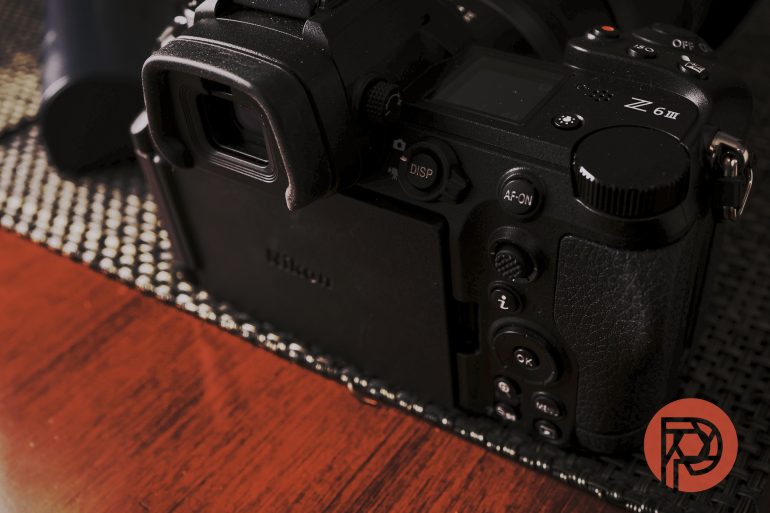
The next rule was taken from the RealAnalogFilm ethos – no screens allowed. To make this easier, I decided to take on this challenge using only one camera– my loaner Nikon Z6 III. The Z6 III was perfect because it has a fully articulating screen that I could easily configure to hide the screen when shooting, leaving the camera’s EVF as the only window to my frame. Now, I know that may be considered “cheating” here, but the truth is, no one has time to buy an optical viewfinder for a digital project. I did, however, turn off pre-exposure settings on the camera, which forced me to think about my exposure instead of relying on the camera’s exposure preview.
Lastly, it would be silly to do this challenge without setting up some hardware limitations in terms of shutter and ISO. Many analog cameras typically topped out between 1/2000 and 1/4000 seconds. Additionally, most film emulsions come in ISO ratings of 100, 200, 400, and 800; when I shoot film, I’m a fan of CineStill 800T and Lomography’s LomoChrome emulsions, which have a box speed of 400, so those would be the only options available to me – ISO 400 or ISO 800. Once I plugged in my settings – color profile and ISO – I had to live with my decision for a minimum of 24 frames.
A Summary of my Five-Day Challenge
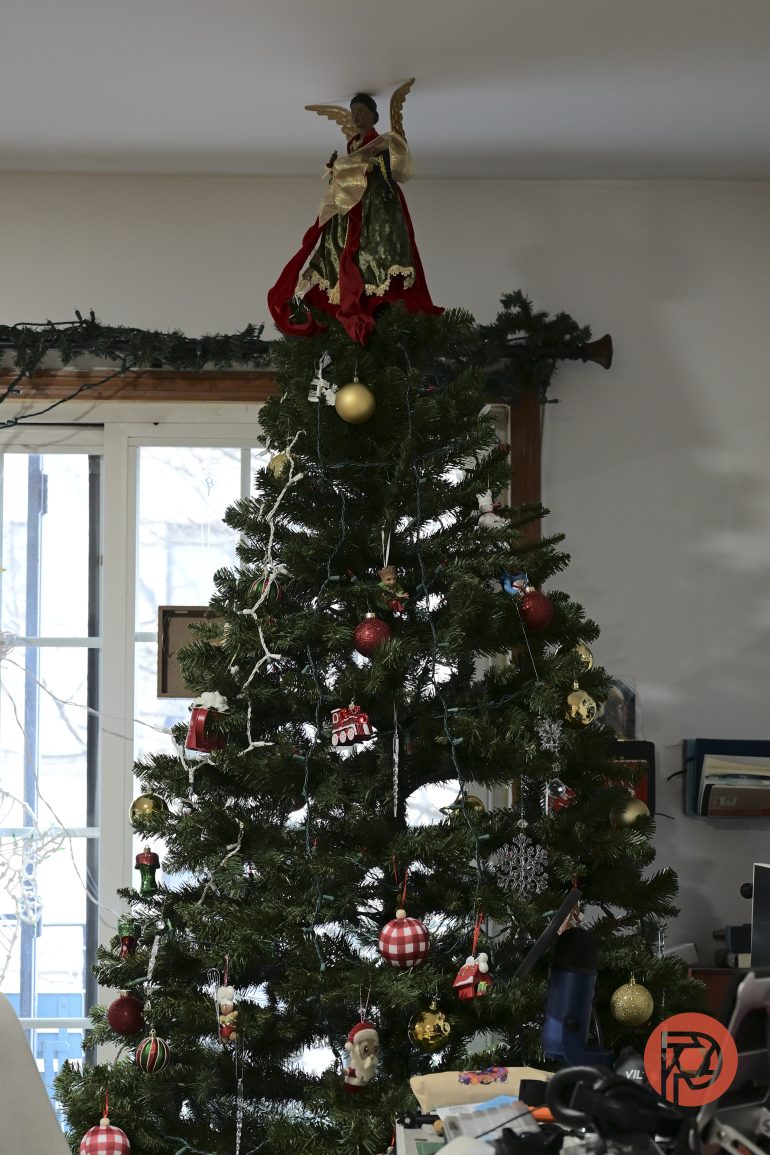
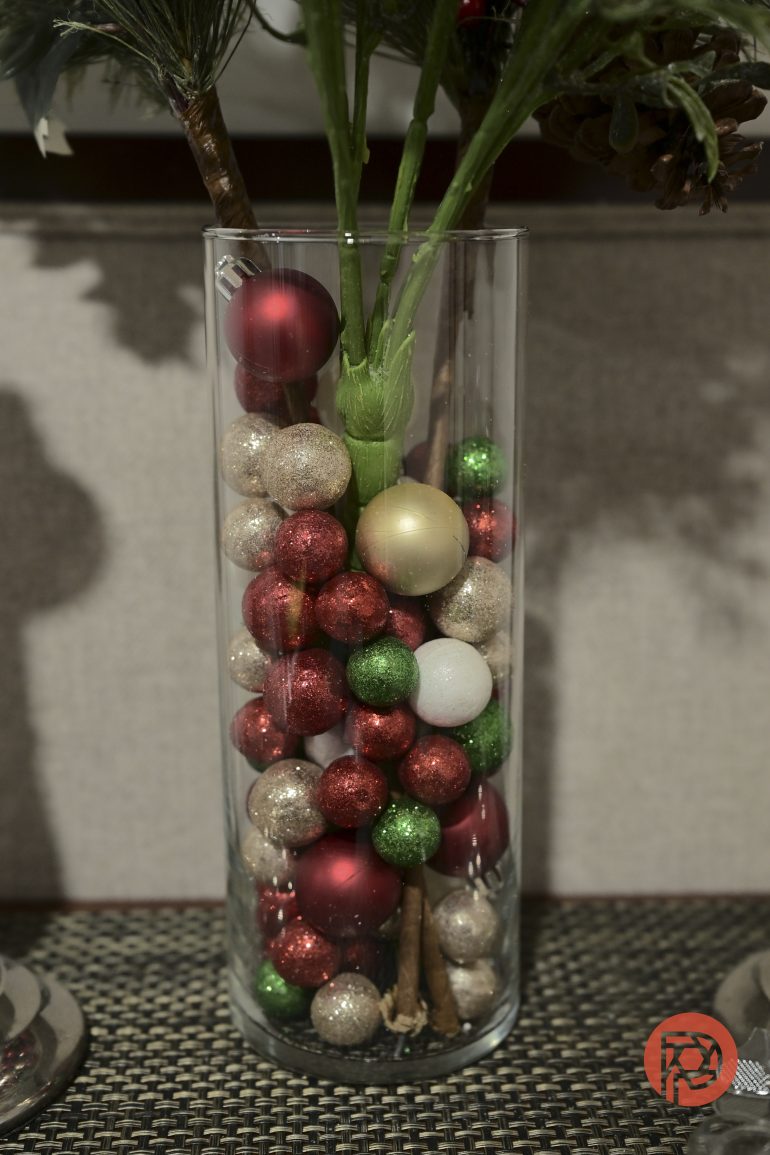
Day one: After committing to the parameters of this challenge, I wanted to test how viable this would be. I’m not one who “chimps” very often, and I typically know my gear well enough that I don’t have to overthink settings, but I wanted to see what the experience would be with the Z6 III and the Z 24-70mm S II lens, and truthfully, it felt like cheating. My images from this day were nothing spectacular or interesting – just “practice” shots of my Christmas tree, but it made me realize that this camera and lens combo didn’t feel any closer to analog. I made a slight change to my equipment setup and slapped on my Zennit x Lomography Jupiter3 lens instead. It’s a 50mm prime M-mount lens that only has manual focus, far more “analog” than I’ve shot.
Day two: I appreciate the freedom of walking around and not worrying about taking every photo, allowing me to be more intentional with the number of shots I have left. I did blow about 10 frames on my Christmas tree the other day, and now, I’m thinking twice before hitting the shutter. The biggest downside is that the Nikon Z6 III with the Jupiter3 lens is a bit heavy to carry around for casual shooting. And sometimes, it draws too much attention – like, say, at a friend’s get-together in a bar or house party. I’m reconsidering my choice in camera.
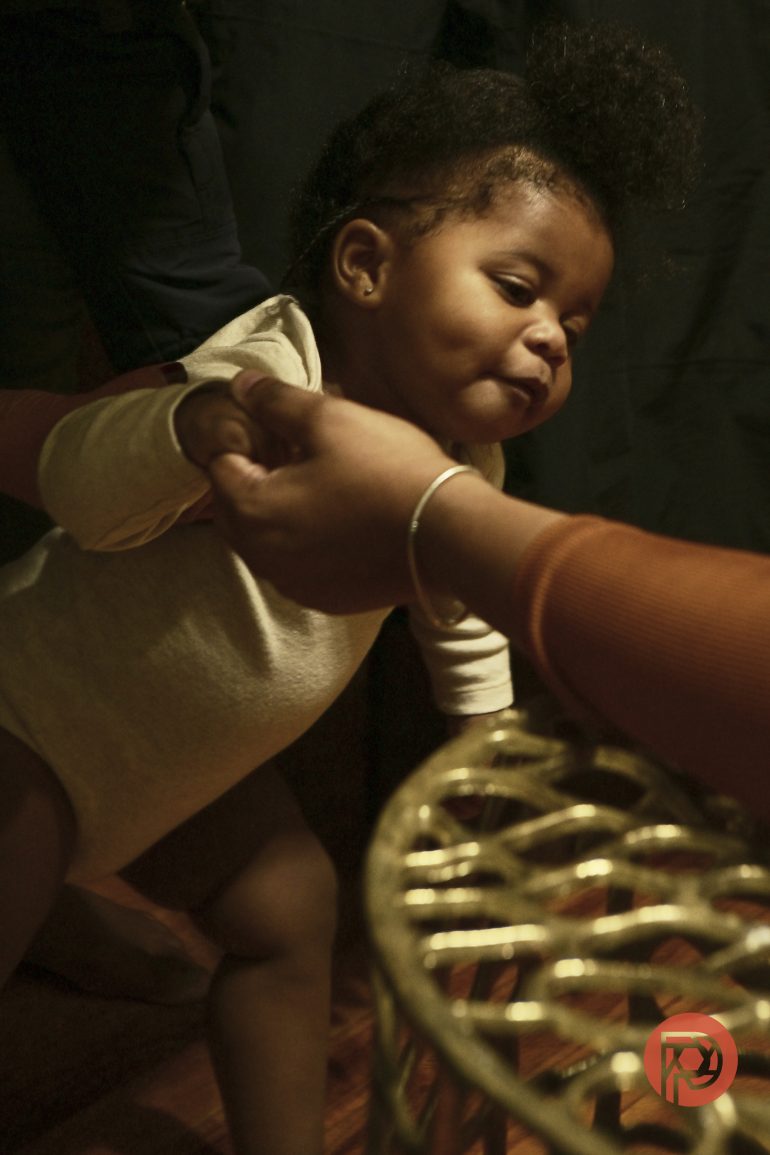
Day three: This whole exercise is silly. I’m not sure why I’m using a camera like the Z6 III; I have a Canon Snap CS Pro. It’s far more pocketable, and I’m more likely to carry it around. That said, this will most likely be the last time I carry the Z6 III around for its own sake, but I will continue this five-day challenge with the CS Pro in my coat pocket. At the end of Day Three, I managed to take one of my favorite pictures of my niece to date.
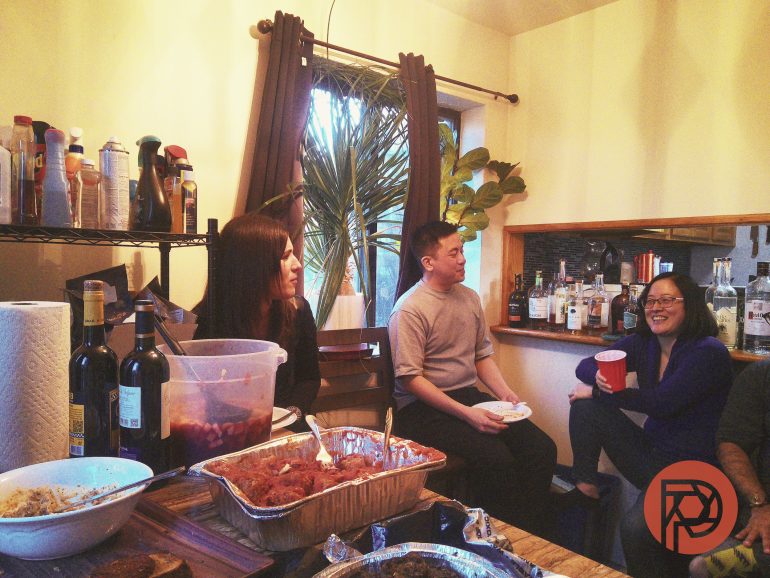
Day four: On my morning walk, I had every intention of taking the Z6 III out for a stroll and capturing life around the neighborhood. Unfortunately, I left it on the table. Good thing I had my CS Pro in my pocket. I attended a Festivus Party, and it was really chill to have the CS-Pro on hand for those photos. I managed to take a few snaps, and even as I write this entry, I have yet to see the images taken with the CS-Pro. Hopefully, they came out all right.
Day five: It’s the final day, and I’ve been working myself up to get out and shoot. Truthfully, I feel like this is a silly “challenge” with very little payoff. I’ve taken two rolls worth of photos on the Z6 III and at least that many with the CS Pro, and it doesn’t feel any more or less “analog” than if I were using my rear display.
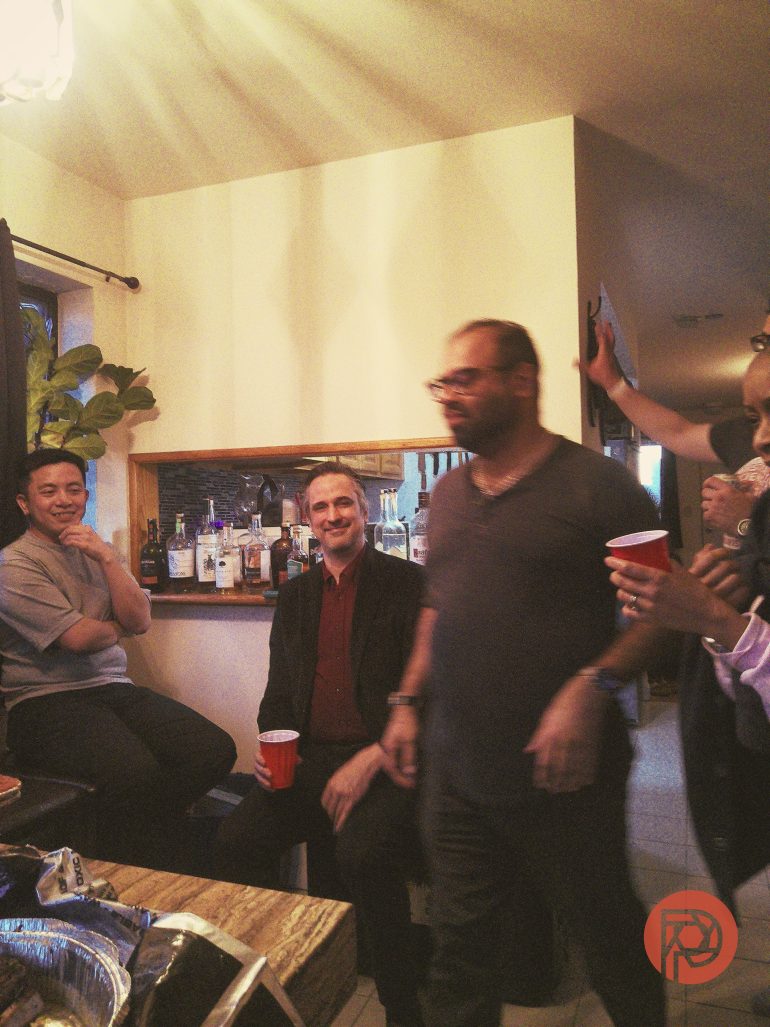
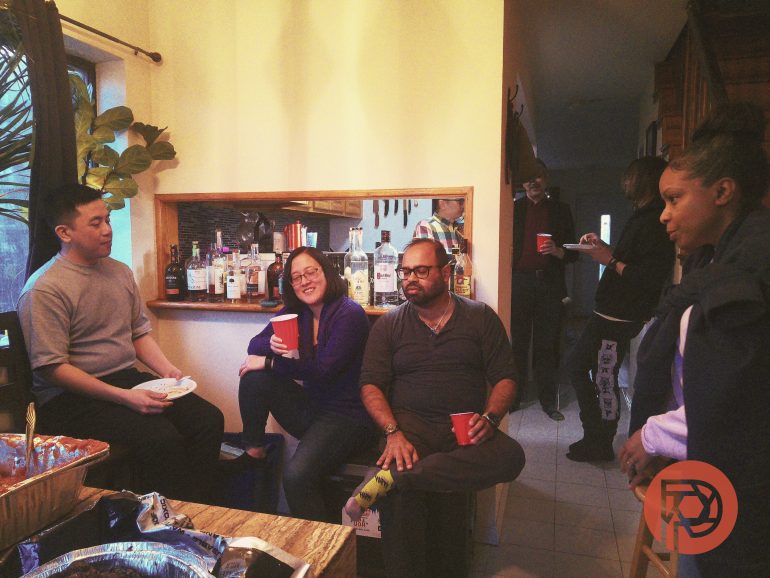
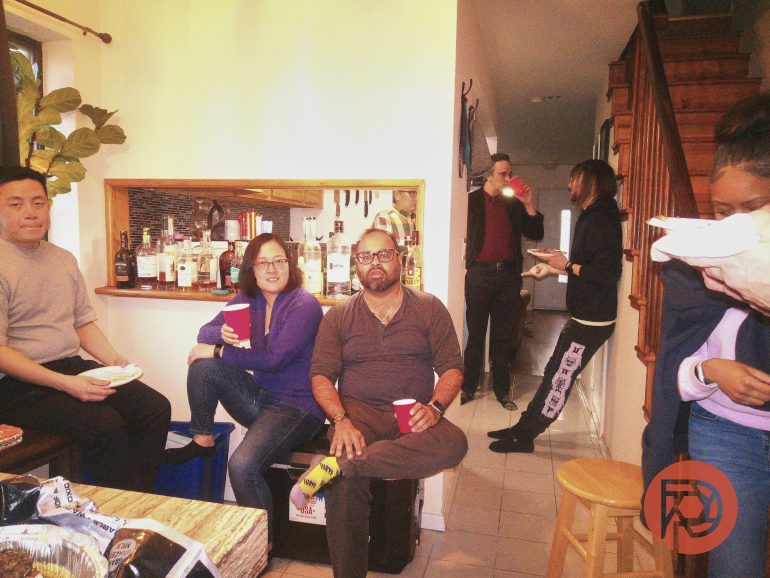
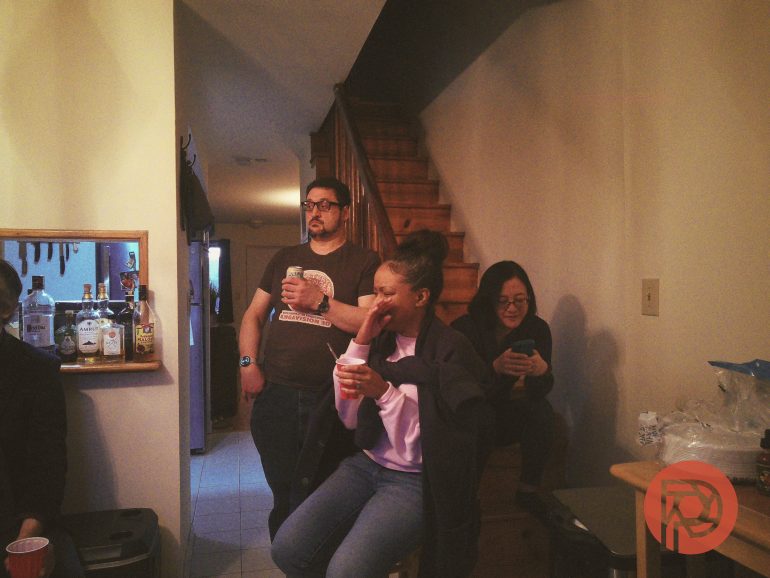
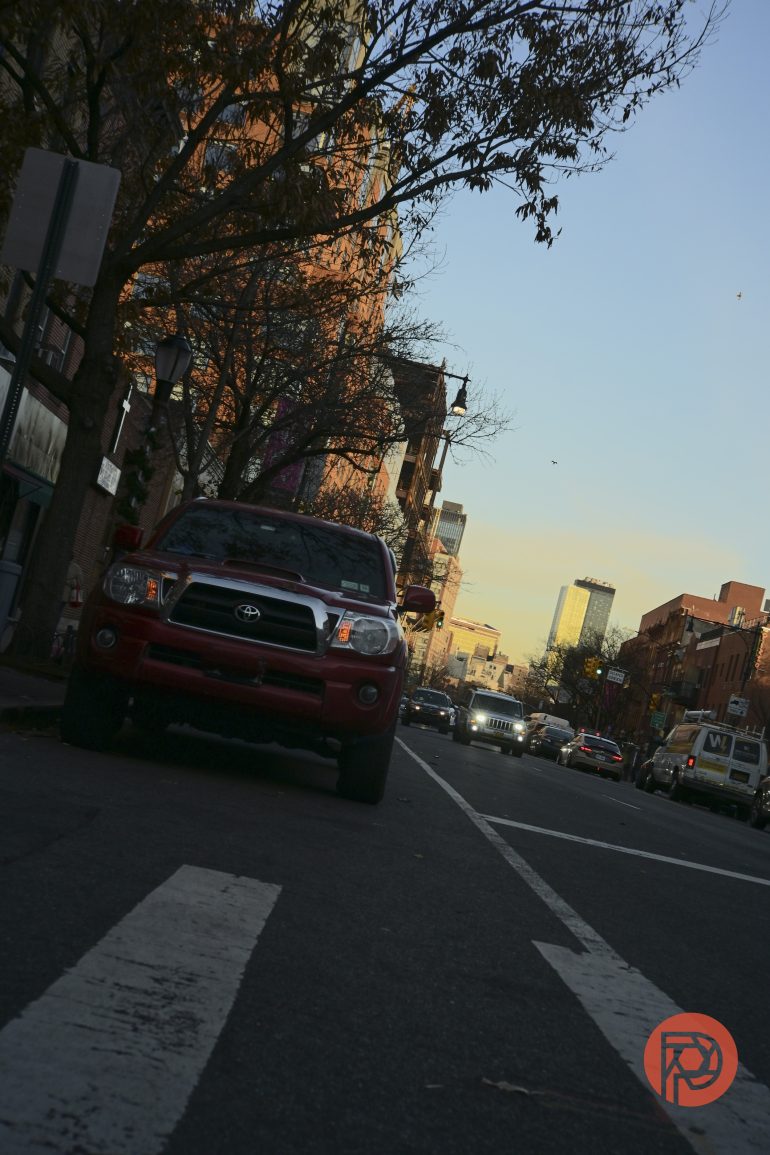
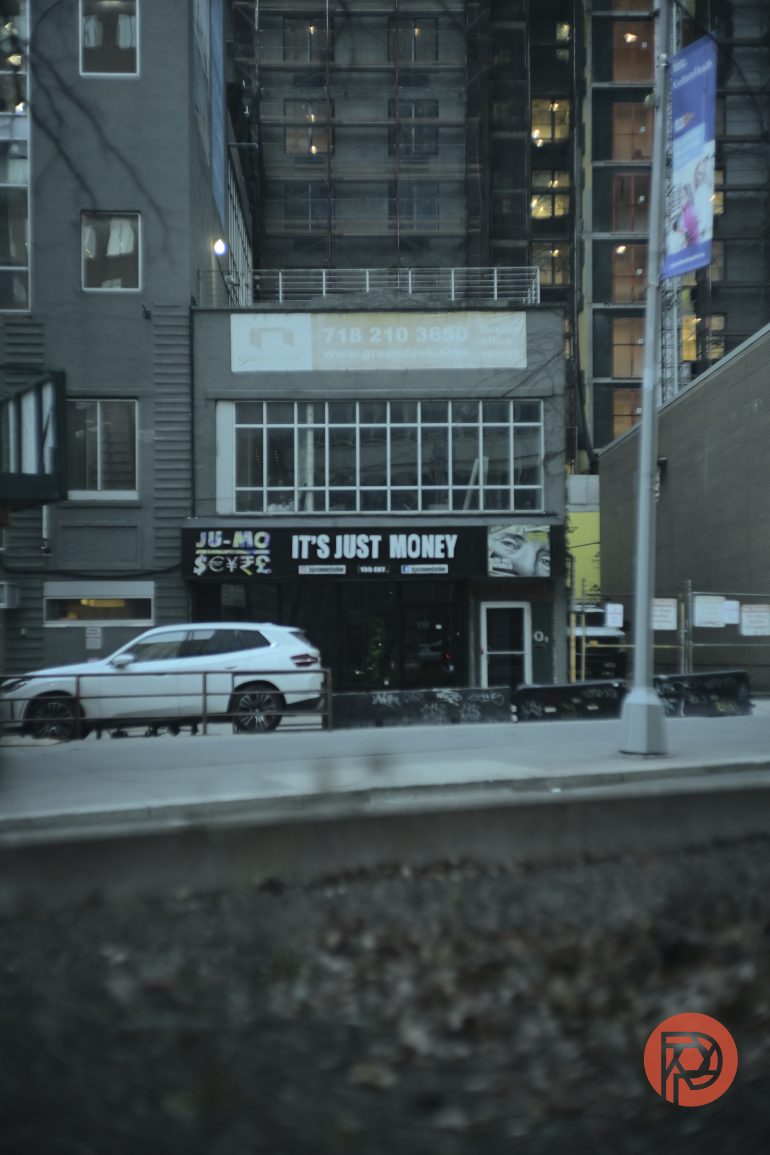
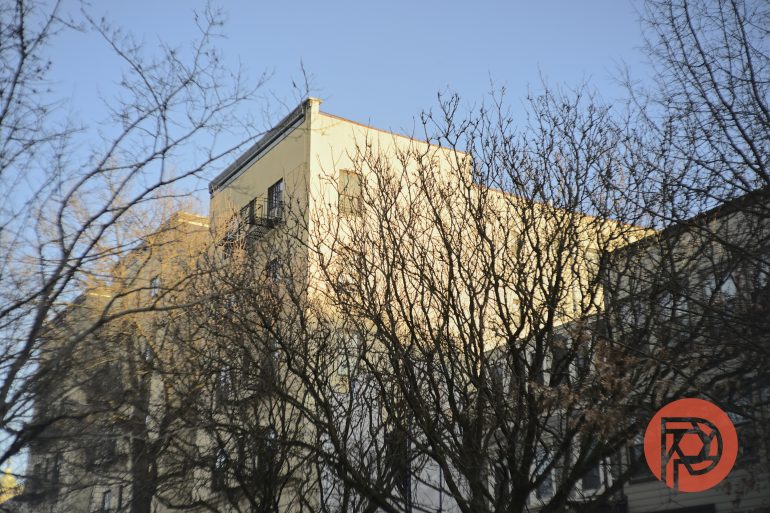
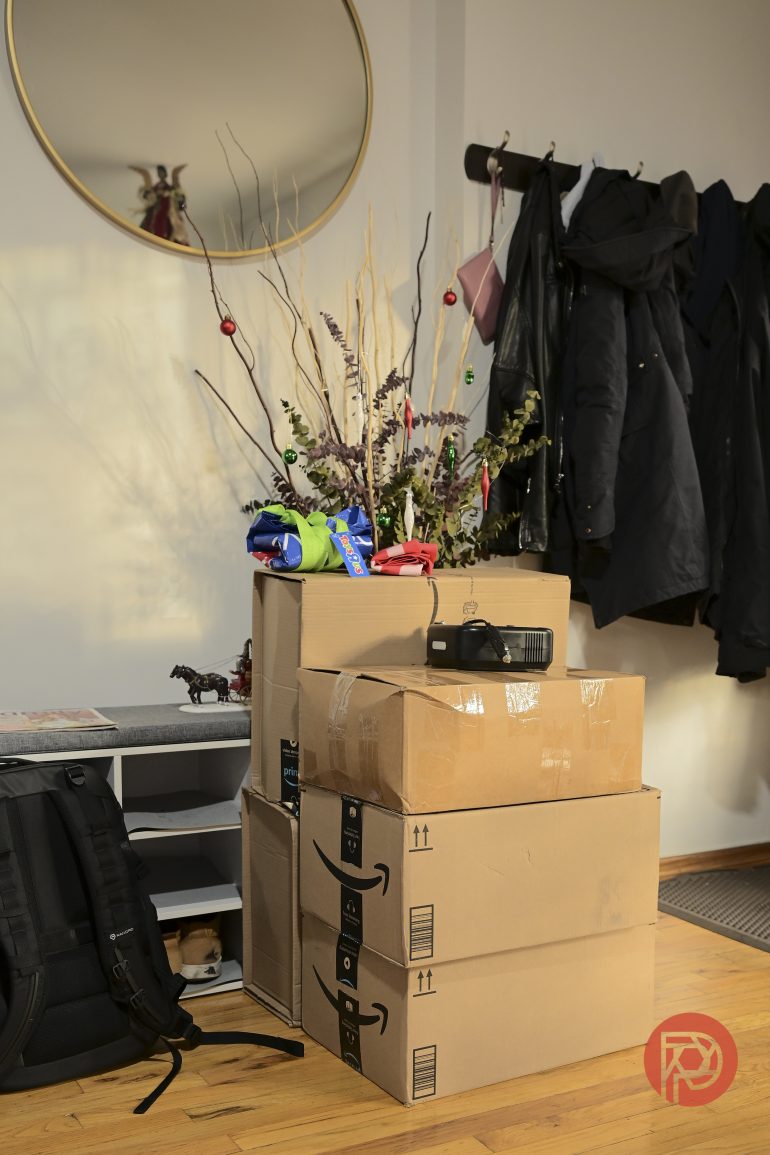
Here are some of the shots taken during this challenge:


Was it Worth it?
When I try to put into words an answer to the question, “Was it worth it?” I like to consider the value of an exercise like this. If you’re looking to recreate the analog photography experience, there is, unfortunately, no digital equivalent. If you want the analog experience, the only way to get it is to dive headfirst into analog photography. That said, what I recognized from day two forward was that these self-imposed limitations weren’t about film but instead about being intentional. I stopped taking multiple images as I worked a scene and instead worked a scene before ever hitting the shutter. I began to slow things down and really observe the environment and situation I was in, rather than mindlessly hoping to capture something special. Additionally, I realized that the images didn’t have to be perfect; if they held enough sentimental value for me, then they were good enough. Thankfully, you don’t need to throw away an SD card to make an image more valuable.