

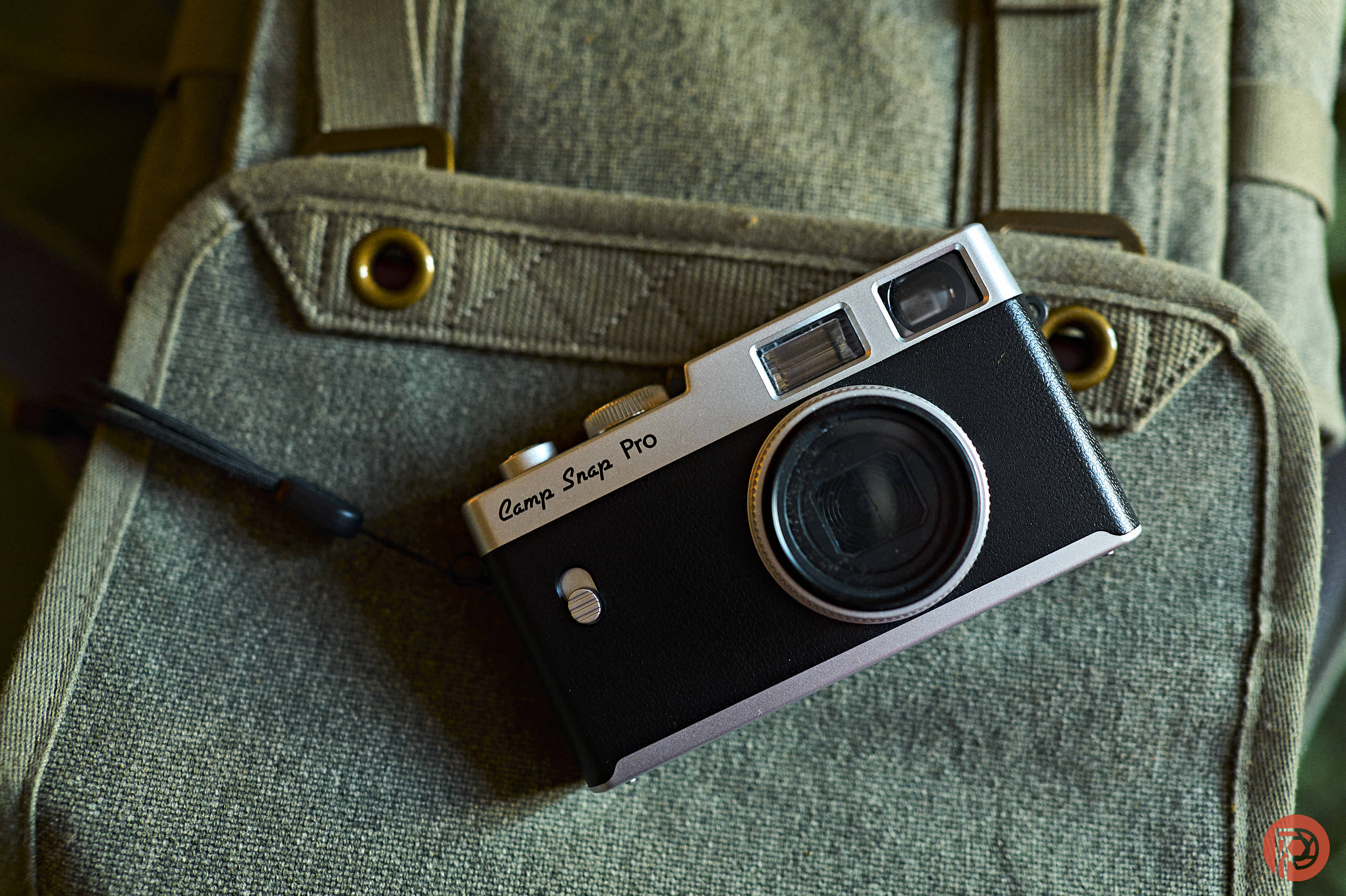
In the past year or so, we’ve seen a few point and shoot cameras come to the market. Leica has been making some very exceptional ones. But most of these new, super affordable point and shoot cameras aren’t coming from Japan — where most of the industry’s cameras come from at least in concept and design. Rather, they’re instead all mostly being made in China and designed in America. Every single time I pick one up, I’m elated that they exist and that a few financially courageous folks are taking it upon themselves to fill a market with cameras that folks want. But then I always wonder why the Japanese won’t make these.
In 2025, OM System told me that they don’t see the point-and-shoot market as being financially viable for them. And with that said, I truly believe them. When the Japanese say that they’re considering something, it’s often an indirect way of saying that something is going to happen. But when the brands say that they’re not working on it, it’s very clear. When a brand says that they can’t comment on something, it’s also probably being worked on. This is further evidenced by the fact that engineers spoke to me about the RX1R, which ultimately came to market with hype so deep and upgrades so lightweight that it could barely make a splash in the market.
I left that OM System meeting feeling like I had spoken to the executives of so many other camera brands. And something really occurred to me.
As one of the few remaining long-term journalists left reporting on cameras, I can say with clarity that I remember when Sony stated to the press that their point and shoot market had been decimated by the smartphone. Canon, years ago, told us something very similar.
Lots of folks at these brands have a very particular idea of what a point and shoot camera can and should be. And when that market died, it created in them a type of corporate PTSD. PTSD creates scars — but there is no way that a company can go through therapy to work around it. Instead, they have to find the change from within, and we all know how that goes. I’ve seen the same thing at VSCO where the brand still is reeling from the effects of the VSCO girl culture scene. If you look at the brand today, they’re far from anything from those times.
Financially speaking, it makes sense. Every few months, the Phoblographer’s developer says that we should try to get more traffic from social media or YouTube. But then both our Managing Editor and I remind her that it doesn’t work for traditional publications, where our business model is built on bringing in pageviews. If something doesn’t work over and over again, you just don’t put energy into it.
The answer then lies with these new American camera brands that don’t have this corporate PTSD. With that said, these companies are starting to come up alongside some Chinese brands in the camera market.
Sure, lots of these new cameras all feel very similar and deliver very similar images. But so too do the Japanese camera brands. Instead, when you pick up one of these new American-designed cameras, you go for the experience. Many of them are screen-free. And these days, we need so much more of that.