

When it comes to color photography, there are only a handful of people who have managed to stand out. Saul Leiter is one such pioneer who changed the meaning of color photography in the 20th century. Long before colors were taken seriously in art photography, Leiter was capturing muted tones, layered reflection, and snow on the streets of Manhattan. In fact, his dreamlike and poetic images continue to inspire people to this day. If you are someone who wants to make your photos look like his, here is a guide to help you.
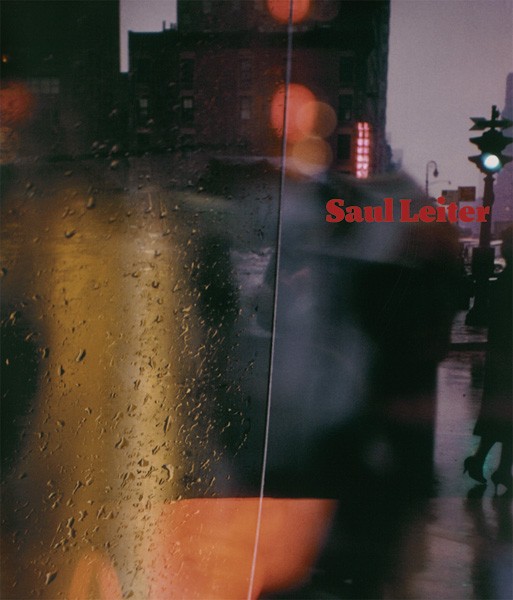
The lead image is the screenshot of the cover of Saul Leiter Retrospektive.
- Think of Color as a Primary Subject: Saul Leiter did not treat color as decoration, but rather as a key element in his compositions. His images used yellows, reds, and blues, which helped to anchor the viewer’s gaze and give structure to the frame. As a result, you must look for contrasting patches of colors that complement your compositions, and include both subtle and muted tones. The latter will help to make your images more emotive.
- Embrace Abstracts: Another important aspect of his work is that the pictures look like poetry in a visual form. So, how did he go beyond mere documentation? Saul Leiter achieved this by adopting abstract elements, including reflections, soft focus, and unusual framing in his photos. To create a similar effect, look for windows or mirrors. Or, work with partial subjects, for instance, cutting of images mid-frame to continue the muster. You can also let the colors blend with the shapes and form as seen in the lead image.
- Soft Focus: Like reflections, Saul Leiter was also known to use soft focus, blur, and atmospheric filters. To achieve the same effect, you can shoot in weather conditions that create natural diffusion, such as rain, fog, or haze. Similarly, use a shallow depth of field to soften the background, and don’t be afraid to get slightly blurry frames.
- Use of Negative Space: Leiter employed negative space around his subjects or balanced his visuals asymmetrically, allowing the frame to breathe. Use negative space to isolate your subject, which can help emphasize colors and textures. On the other hand, asymmetrical compositions can create visual tension and interest.
- Spot Color: Leiter was also known for letting one color pop against the muted tones. For instance, the yellow in the lead image. To do this, you need to identify one strong color and compose your scene around it. You also let other muted tones balance the frame. This approach focuses the viewer’s eye and gives emotional impact
- Telephoto Compression: Later in his career, Saul Leiter also used longer focal lengths, which helped compress space and emphasize colors and textures. Therefore, you can use a lens with a focal length of around 85 mm to achieve this. At the same time, compression is used to make the background and foreground colors interact more closely. Shooting from a distance can also capture quiet, unobtrusive moments without disturbing subjects, a technique noted by photographers who practice this style.
If you apply these tips and practice, you should be able to capture the images with ease.