

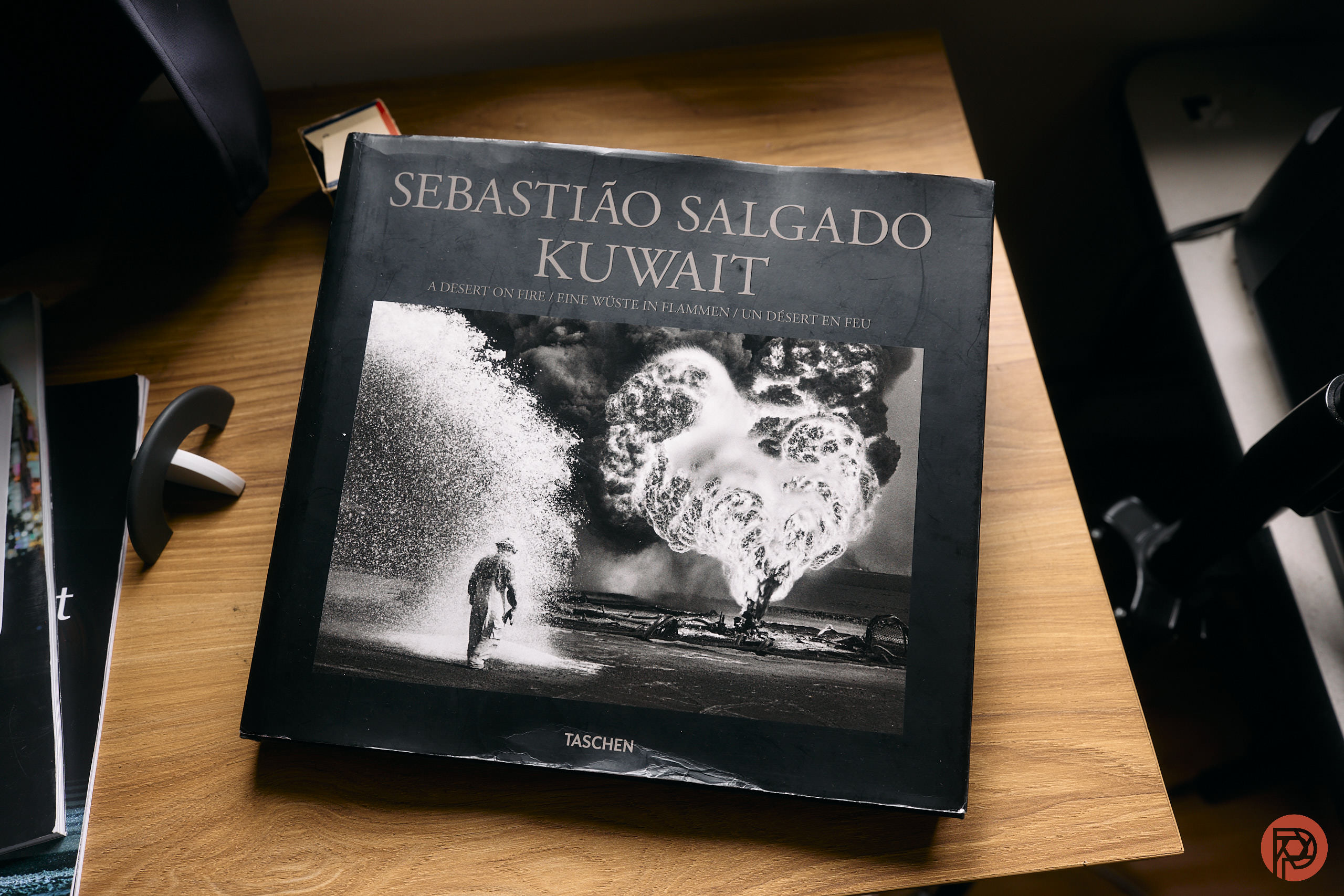
There are a few photographers whose images evoke a sense of wonderment for human beings and the natural world. One such person is Sebastiao Salgado, who has used his camera to document labor, migration, and the relationship between humanity and the planet with unmatched depth. His black-and-white images continue to focus unwaveringly on the human condition. They are not images to be looked at, but rather to be experienced. If you have been in awe of his work, then here are a few tips to help you shoot like the great master.
- Work in black and white: Unlike other photographers who strip the colors for just the sake of it, Sebastiao Salgado does it to remove any distraction from the image. His photographs showcase form, but also urge viewers to understand the suffering of the people. When you need to achieve the same, you also use B&W to showcase the deep blacks, rich mid-tones, and highlights. However, the B&W will also emphasize skin, earth, fabric, stone, and more. The contrast is high, but it never detracts from the image’s detail. So, don’t just convert to black and white—edit for tone, not color removal.
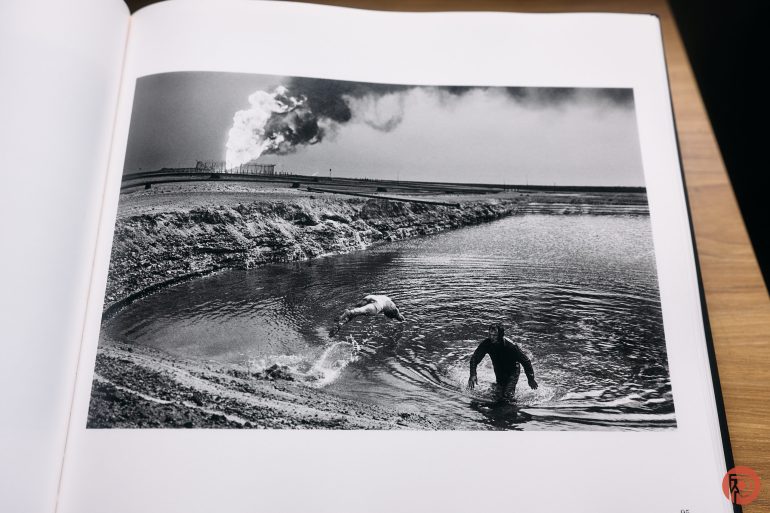
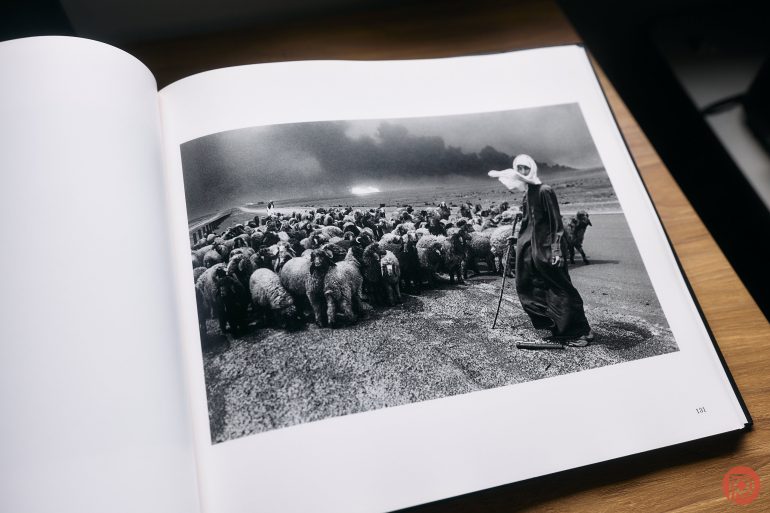
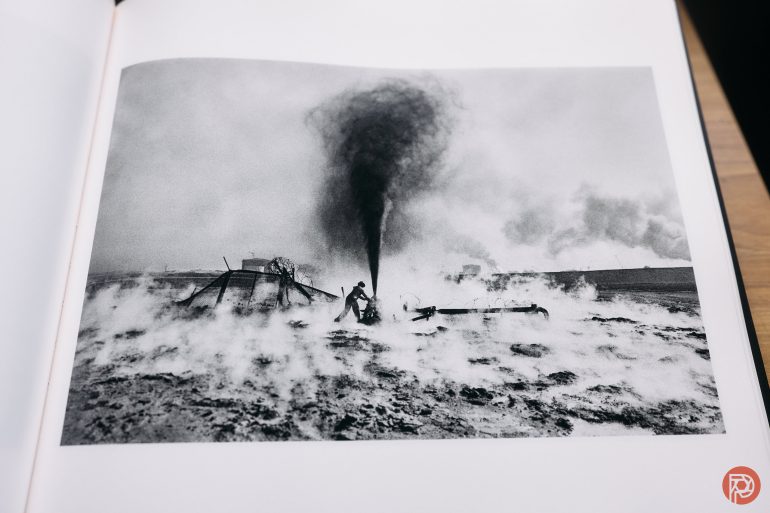
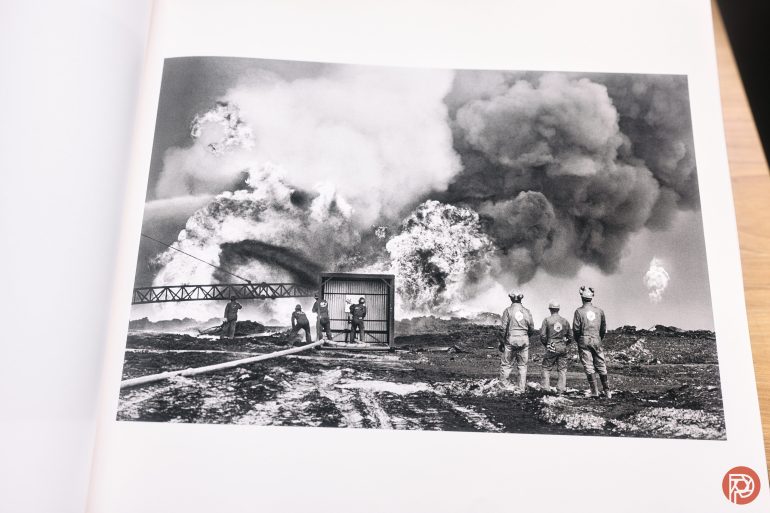
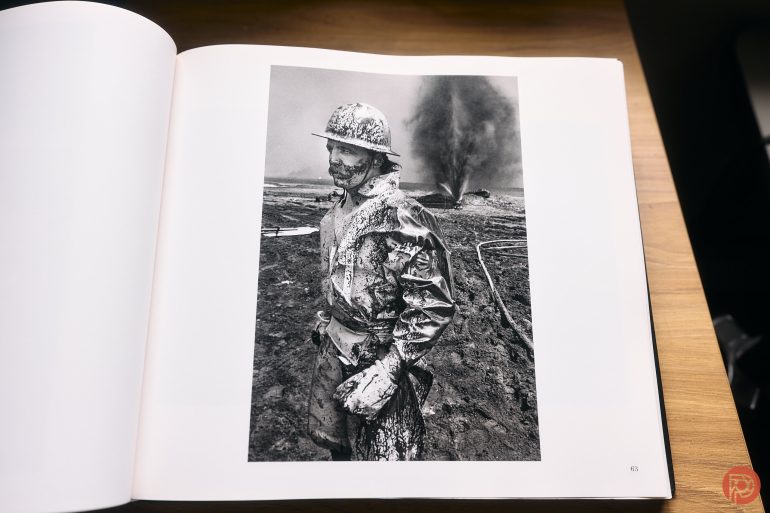
- Light is Everything: Many of his images showcase the use of directional light. For instance, in the images above, despite showcasing the effects of war and the workers in the oil fields, the use of light is done brilliantly. The images were captured in 1991, which means they were shot on film. But despite the years that have passed, the photographs remain relevant today. Salgado did not create stylized shots; he worked whenever he could, whether it was morning, afternoon, or on an overcast day. In fact, you can see light coming from different directions, proving the best time to shoot is the time you have. So, let the light carve the subject rather than flatter it.
- Embrace Scale: A signature style of Salgado is that he photographs humans in all scales. For instance, you see them as giants against the flock of sheep (above), but also as tiny humans (against the rigs). One can achieve this by including the environment and crowds and focusing on what humans are set against. The environment is as much a part of the story as anything else. Repetition with rows of workers and mass movement is another way to achieve this. Showcase how people are part of systems.
- Photograph With Respect, Not Distance: His work is ethical because Sebastiao spends time before he creates any long-term series. Dignity is of utmost importance in this case. So, when you take on a project like this, learn people’s names and their stories, and avoid photographing them for the sake of shock value. Think about how an image can honor a human being. Because you will photograph and leave, and they will bear the consequence of what you shoot.
- Simple Gear: Sebastiago Salgado is known to use 35mm film cameras and medium format. However, you can achieve your images if you keep your setup simple. One or two lenses (a wide-angle and a prime, such as a 35mm or a 70-200mm) will suffice. You need to be inconspicuous when you shoot, because that’s when you’ll get something meaningful. Work slowly but with intention. And using a flash will only distract the workers.
- Edit Like a Storyteller: Salgado’s images have power in sequence. So, think of your story in chapters, rather than as a single image. Use a combination of wide, medium, and close-up shots to create the narrative. Let quiet images come in between the heavy ones. Let each image belong to the larger narrative.
In the end, to shoot like Sebastiao Salgado, you need to reflect on your work, sit with it, and once you have reached a point where you can no longer hold the story in, publish your story.