

Over the years, Sony has introduced a range of exciting cameras. The a99 series was great DSLRs, the alpha series changed the way we look at mirrorless, and the a1 II is the most effective flagship out there. However, while the company excelled in the mid-2010s, it also introduced some iconic SLRs before that period. A name that comes to mind is the unforgettable Cyber-shot DSC-U series. Introduced in the 2000s, these cameras were tiny, vertical, and way ahead of their time. Here’s a look at why today’s vintage camera comeback demands their return, too.
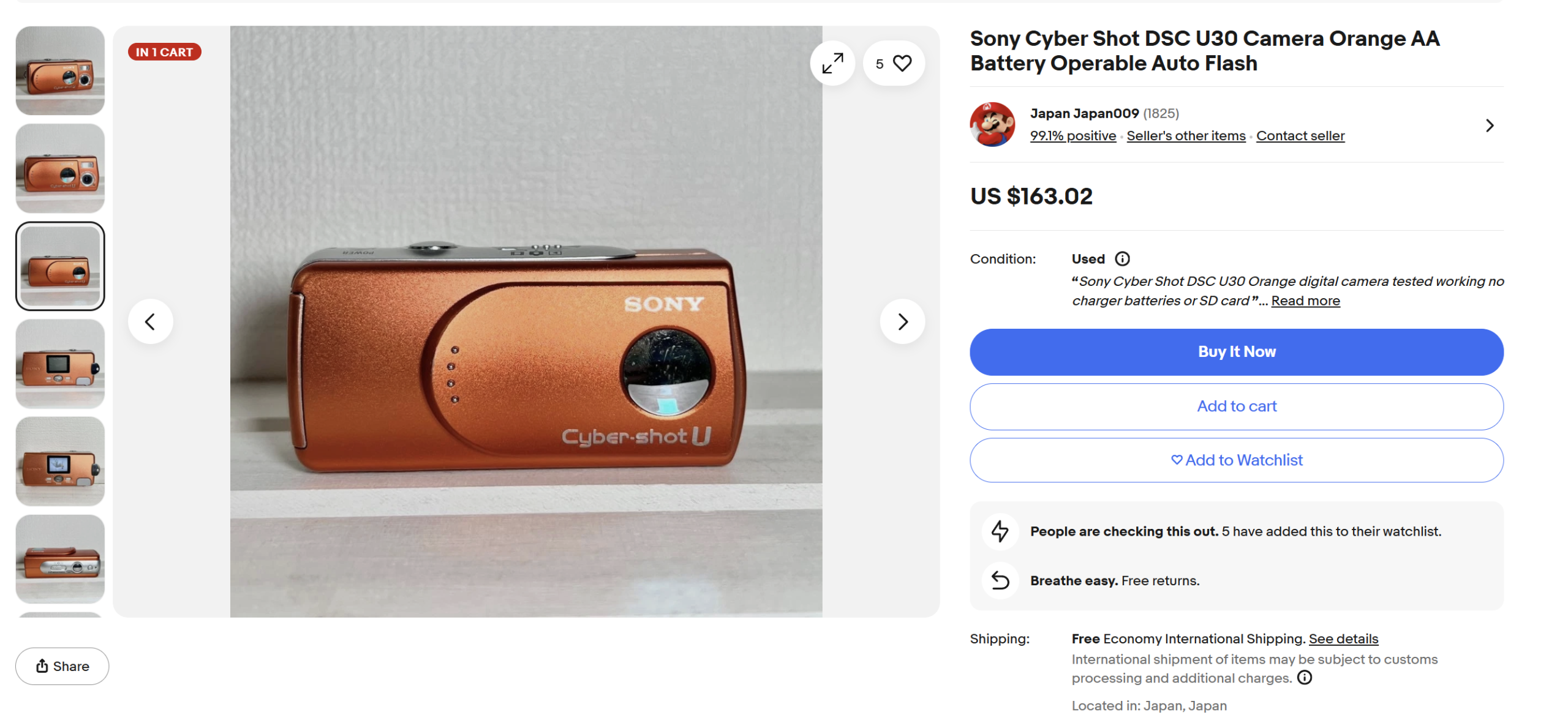
It started with the DSC-U10, launched in 2002. The camera featured a 33mm fixed lens, a 1.3MP CCD sensor, and a slide that covers the lens. The U10 was minimal and stylish, a characteristic of the early 2000s. Then came the U20, U30, and the U40, each adding upgrades such as a selfie mirror on the front, sleeker and modern design, and more colors. The U30, for instance, offered a vibrant orange variant that is still popular even today.
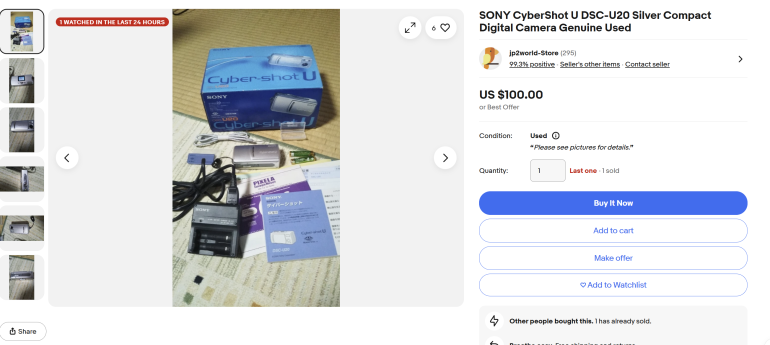
In addition to their stylish build, the camera was easy to use. You simply slide the cover to create images. There was no menu to fuss through, and your images looked nostalgic thanks to the CCD sensor. In fact, the camera was just the package if you were in your teens or early 20s. Of course, compared to today’s cameras, they are lacking in AF and other such features. But given the Y2K revival, this retro compact camera has the chance to win again.
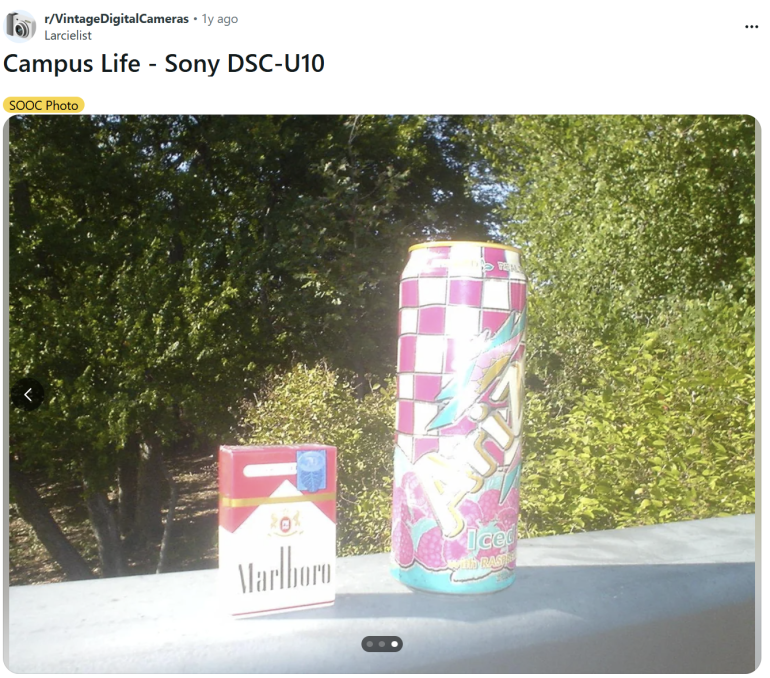
With a younger audience reviving old tech, the 1-inch sensor cameras continue to prove that casual shooters do not need a high-end camera. The colors from the DSC-U series are unique, and the softness of the images adds to their appeal. Since Fujifilm is the only company to launch a 1-inch vertical sensor camera, Sony has the opportunity to also enter the market. A micro compact can give young users a chance to switch up from their phones without spending hundreds of dollars.
In fact, if Sony revives the DSC-U series, it would have the advantage of the vertical build and the opportunity to utilize the RX100 series sensor. Moreover, features such as double exposure, built-in film filters, or additional aspect ratios can enhance the appeal. You want a compact device that people will feel compelled to pick up, rather than their phones. And Sony has the recipe for it. This adorable, ultra-portable device has the potential to become popular again. But whether Sony decides to carry forward the legacy depends on market trends. With professionals pursuing extra pixels, this hinders the growth of other, less serious technological advancements. All we can do is hope the photo industry changes a bit.