

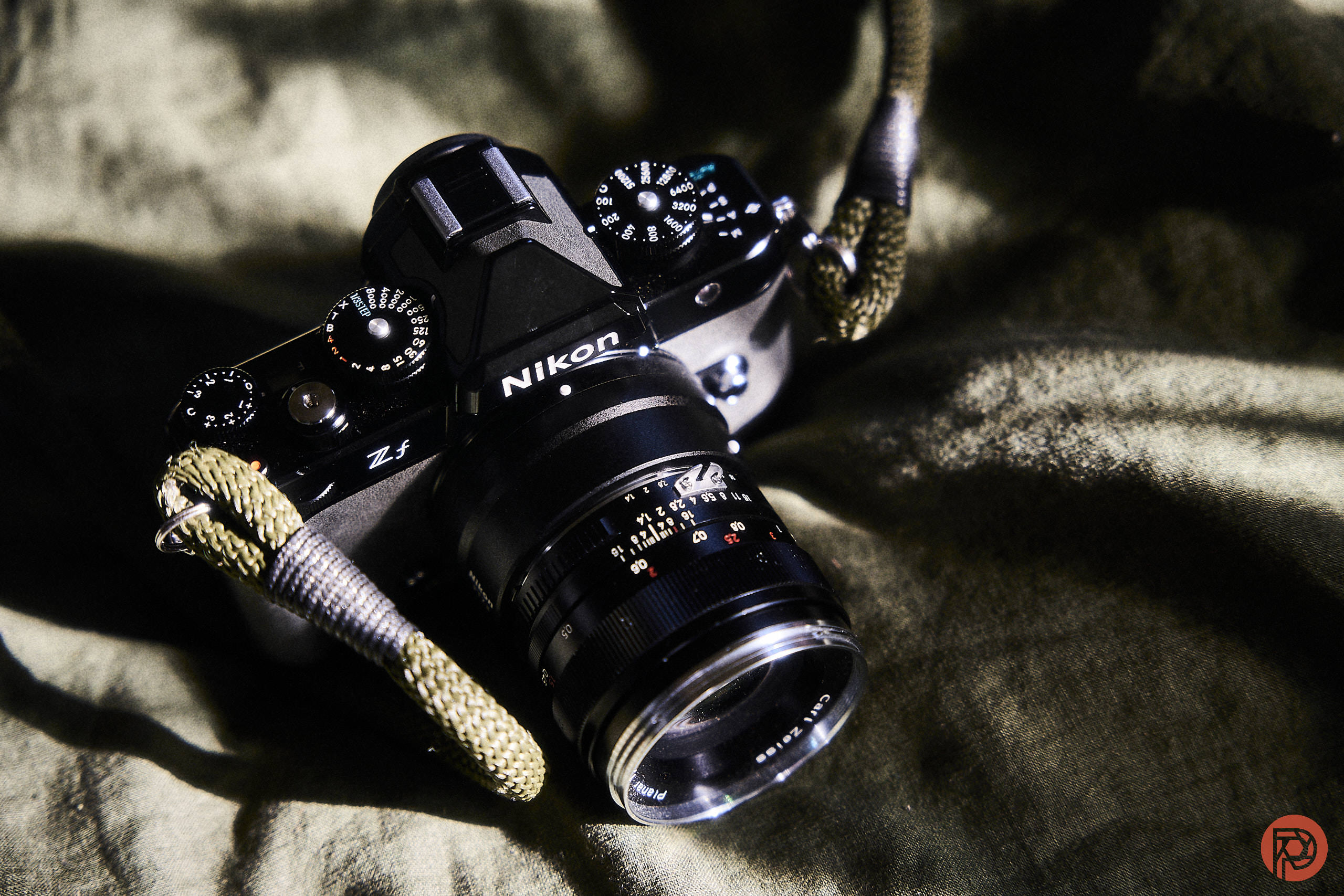
Nikon has created some historic cameras over the years, some going into larger productions, while others were created specifically to meet the demand of that time. One example is the first digital prototype the company created for NASA in the late 1980s. A cutting-edge technology of its time, the Nikon device was one of the biggest milestones, not just for Nikon but for the history of the medium.
Nikon F4 Was A Pioneer
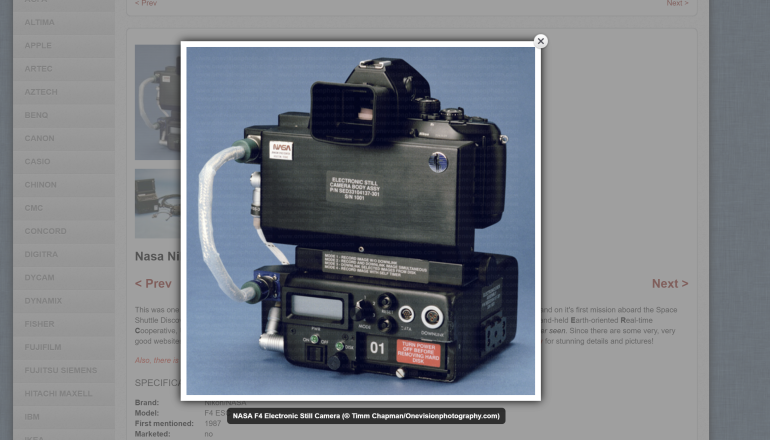
The design of the NASA Nikon F4 Electronic Still Camera (ESC) began in 1987, but it was not prepared until 1991, when it was finally launched aboard the Shuttle Discovery during STS-48. What makes the camera so important is that it is the world’s first digital camera for still images. The company achieves this by modifying the SLR F4 with a 1MP 1024 x 1024 (15mm x 15mm) monochrome CCD sensor, which was mounted at the film plane. This was a remarkable achievement for its time, which proves Nikon‘s commitment at that time. Not just towards photography but for science.
The camera was used to create images and downlink from orbit. This allowed the photos to be viewed and transmitted back to Earth during the mission. The ESC retained the F4 body and lens mount, which helped astronauts since they did not have to learn a whole new technology. Interestingly, the company produced 14 modified F4 bodies, but only 3 units were actually manufactured.
Following the success of the F4, the company developed additional cameras for NASA’s vision. For instance, they also modified the Nikon F3 and the F5, both of which were aboard the Space Shuttle and Skylab programs. They also used digital cameras, such as the D2XS, D3S, and D5, for additional programs. Nikon did not stop at one but added more feathers to its cap.
Mirrorless Goes to Space
After nearly five decades of innovation, Nikon has another project to push the boundaries of the mirrorless camera. As of 2024, Nikon and NASA signed a Space Act Agreement to create a handheld device for the Artemis III moon mission. The company is said to use the Z9 for this reason. The Z9 is a full-frame camera that will include custom grips, firmware, and thermal protection for the NASA mission to the Moon. This will make the Z9 the first mirrorless camera to hit the lunar surface, setting another historic record for the company. The Z9 is scheduled to launch in September 2026.
This legacy not only showcases technological progress but also the company’s reliability. Nikon has played a role in documenting one of humanity’s greatest endeavors, and it will continue to do so in any way possible.