

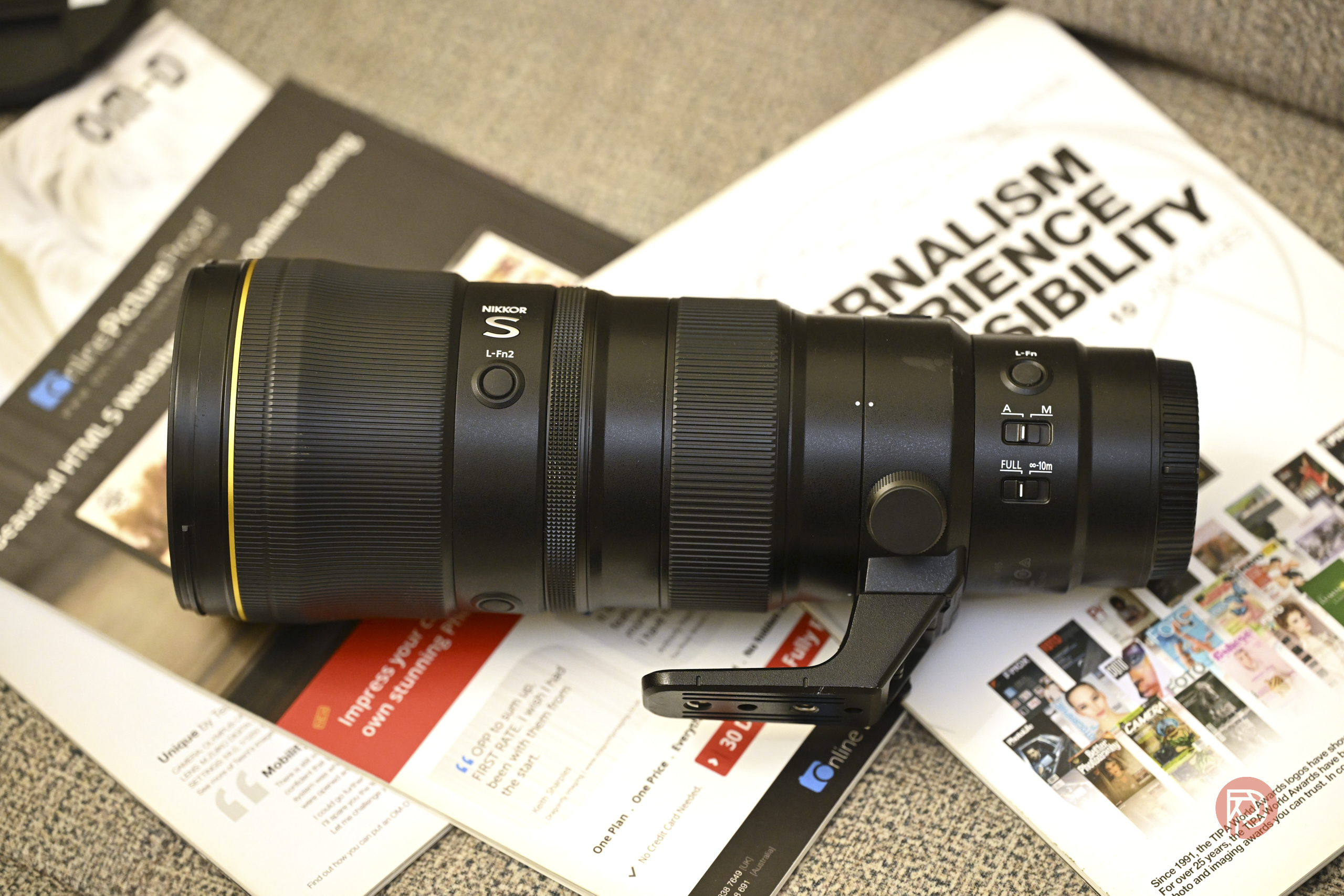
When you hear “600mm”, your brain immediately expects a lens that you’d have to haul on your back to events, helping substitute your bicep curls routine at the gym for a few hours of photography using it. So I have to admit that the first thing that really surprised me about the Nikon Z 600mm f6.3 VR S lens was how portable and friendly it was to handhold. When it comes to such telephoto, I often don’t expect too much in terms of image quality, especially when they’re silently touted as more affordable options to faster prime lenses. This time, though, Nikon proved me wrong – the 600mm f6.3 VR S is quite the performer, no matter what scenario you throw at it.
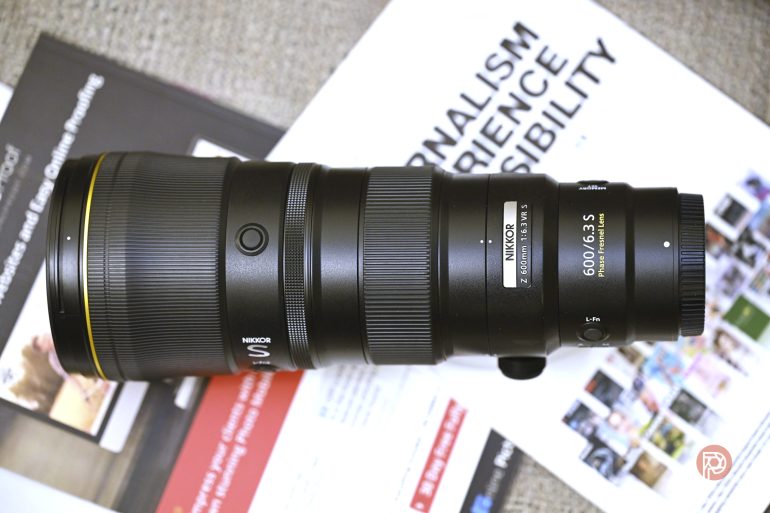
Table of Contents
The Big Picture: Nikon Z 600mm f6.3 VR S Lens Review Conclusion
A couple of years ago, when we wrote about the launch of this lens, I mentioned how hyped I would be to use this lens at sporting events. Comfortably under 1.5kg (at 1390 grams, without the tripod collar on), the Nikon Z 600mm f/6.3 lens weighs less than half of the humongous (but stellar-performing) Nikon Z 600mm f/4 lens, which I wish I could own. However, while that lens isn’t easy to walk around with all day and would require most professionals to even take out a loan to buy (costing USD 14,000), this slightly narrower aperture version is probably what most prosumers would opt for when choosing a Nikon lens of this focal length. I’d argue it’s an all-day kind of lens if you’re out on a wildlife safari or even birding in the forests. You might want to carry a monopod at times to get a bit of a rest, but it isn’t a lens that would wear you out. Image results are sharp, and the autofocus motor keeps up with the fast tracking even from champs like the Nikon Z8. My only gripe with it is that the tripod foot on the lens should have come with foam or leather padding to make it more comfortable to hold. I’m giving this lens four out of five stars for being a really good super-telephoto lens
- Excellent build quality
- S-line series sharpness is maintained in images
- Almost exactly the same weight as the Nikon Z 70-200 f2.8 VR S lens and just around 3 inches longer
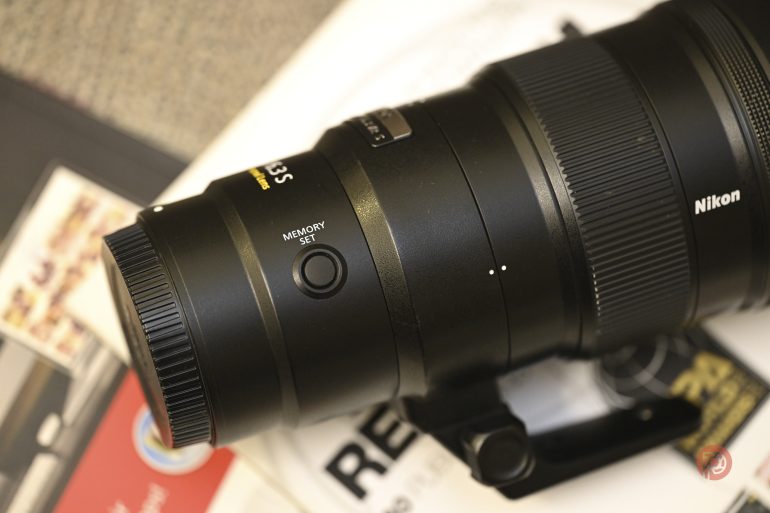
- Two Fn buttons, a Memory Set button, and a Control ring allow for a lot of customization
- Weather sealed
- The tripod foot really should have come with padding, or at least have been Arca-Swiss compliant
When compared to the 600mm f4 Z lens, there’s no question which one a top-tier professional photographer will choose. The f4 is the ultimate tool for those who need maximum subject isolation and absolute performance. But it is also massive, heavy, and extremely expensive. The Nikon Z 600mm f6.3 VR S offers something slightly different – reach, sharpness, and reliability in a package that normal humans can actually carry, afford, and use often. And that matters far more than people would admit.
This lens feels like Nikon has acknowledged the fact that photographers want affordable reach that comes with mobility, coupled with strong image quality. It’s not cheap, but it’s certainly far more accessible than Nikon’s class-leading primes. Thanks to the size and weight advantages, you’ll find yourself shooting with this lens a lot more than you would expect to. By that yardstick alone, this might be one of the smartest telephoto lenses that Nikon has made in decades.
I’d argue it’s an all-day kind of lens if you’re out on a wildlife safari or even birding in the forests
Experience
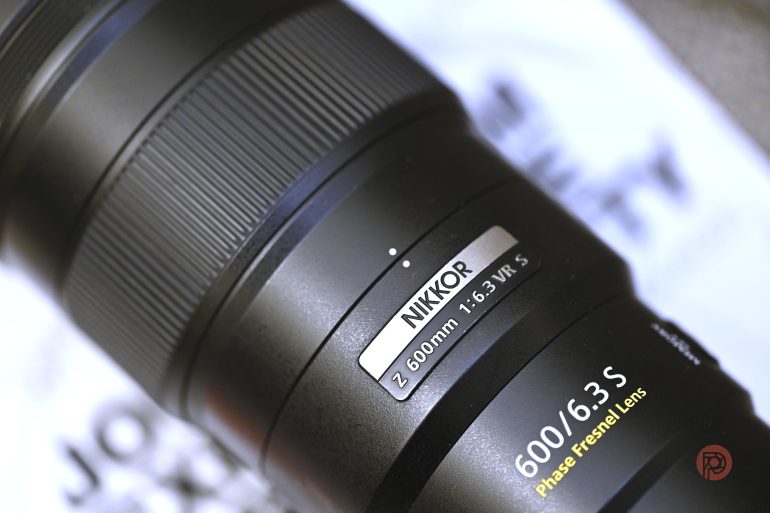
I tested the Nikon Z 600mm f6.3 lens, which was a loaner from Nikon, on my Nikon Z8 and my Nikon Zf. At times I used a Lemur Strap on the camera body while holding the lens
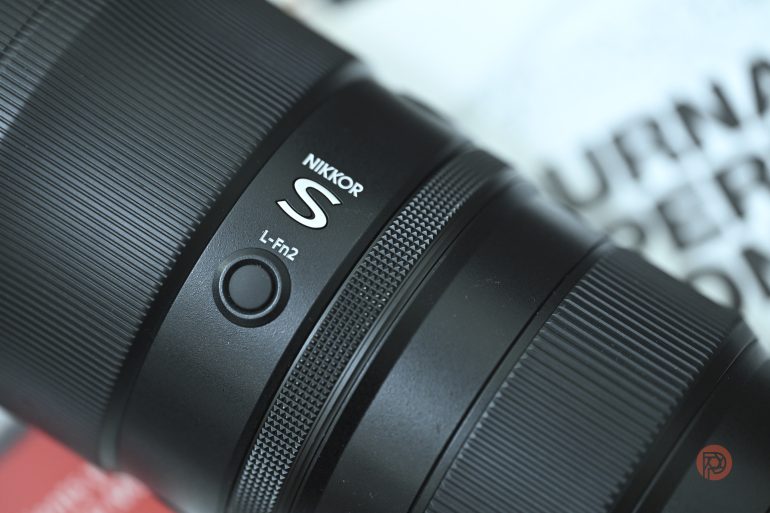
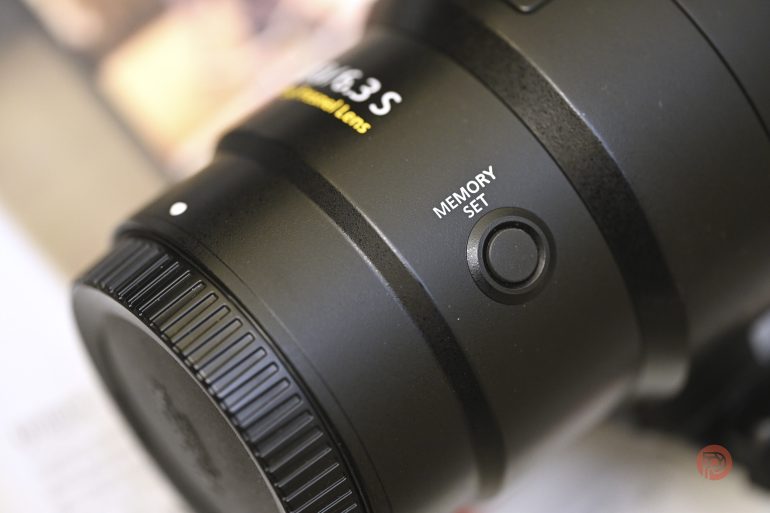
The Nikon Z 600mm f6.3 lens feels every bit like an S-line lens, not just in terms of the results, but also in the finishing. The barrel feels solid, the ring turns are smooth without feeling loose, and the overall design feels purposeful rather than a watered-down version of the 600mm f4. Ergonomically, Nikon got this right. You get a memory set button, a focus limiter switch, two customizable function buttons, and a control ring. These aren’t features added for the sake of spec sheets; they’re genuinely useful when you’re tracking wildlife or sports and need to react quickly. Ask any seasoned pro, and you’ll get a long but useful lecture on how these features can save milliseconds, which is make or break for killer shots in these genres. The lens also includes Nikon’s VR technology, which makes handholding possible. Combined with the weight savings from PF technology, this becomes a lens you can actually use without a monopod for extended periods.
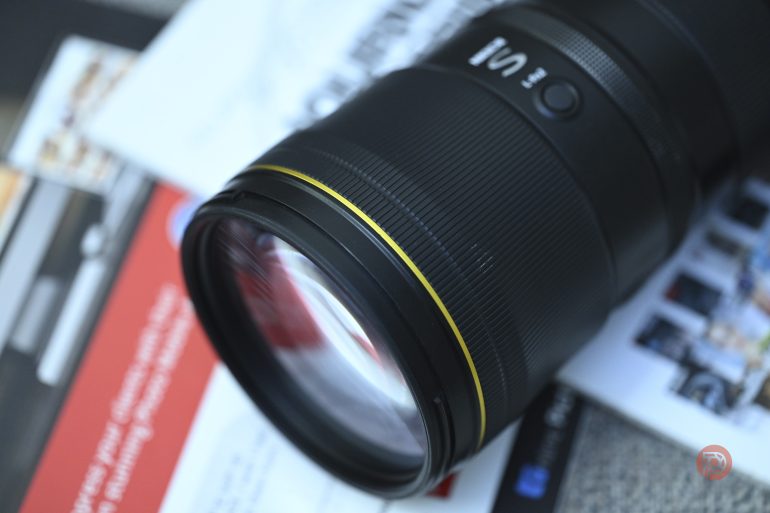
When it comes to the optics, Nikon loaded this lens with ED glass and added Nano Crystal coatings to keep ghosting and flare under control. The additional non-stick fluorine coating on the front element helps keep dust and water away, making cleaning it a lot easier when needed.
There is one shortcoming – there’s no support for drop-in filters. Instead, the Nikon Z 600mm f6.3 has a large 95mm screw-on filter, which is neither cheap nor small. Anyway, for photographers eying this lens, this will be a mild annoyance rather than a dealbreaker. I suppose this was done to allow support for Z-mount teleconverters, allowing you to extend the reach to 840mm with the 1.4x or a whopping 1200mm with the 2x.
© A photographer who wished to remain uncredited
Nikon has managed to achieve the comfortable size and weight specifications of this lens by utilizing Phase Fresnel technology. This isn’t new territory for Nikon – they proved the concept quite well with the Nikon F-mount 500mm f5.6 PF, a lens that I used at tennis matches some years ago and found to give astounding results when paired with a Nikon D5. Instead of simply porting that lens to Z mount, they made an interesting decision and went straight to a 600mm f6.3 PF designed from the ground up for mirrorless.
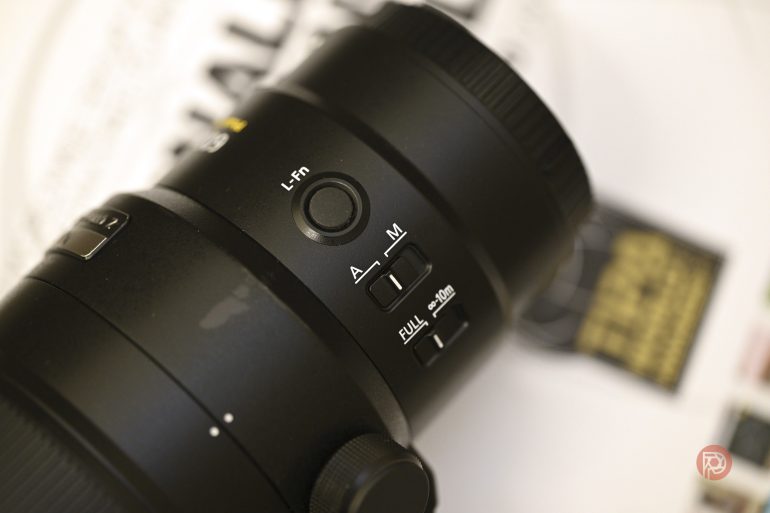
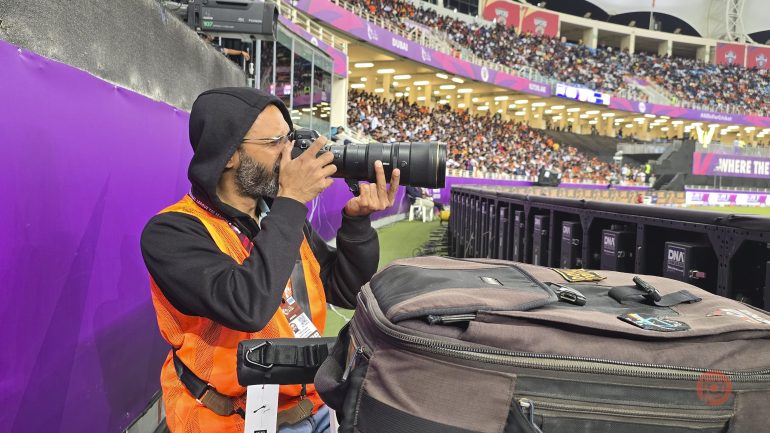
What really stood out for me is how normal the lens feels in use. It never felt like it was overpowering the camera body that it was mounted to, whether that was my Nikon Z8 or even my more petite Nikon Zf. I didn’t experience that forward tipping you tend to get with lenses like the 400mm f2.8 or the 600mm f4. The handling reminded me far more of shooting with a 70–200mm f2.8, just with three times the reach. That one parameter will change how often you’re willing to bring this lens along to shoots. And yes, it actually fits in a backpack. Try doing that with the 600mm f4 Z, and you’ll understand immediately why this lens is such a viable option.
Image Quality
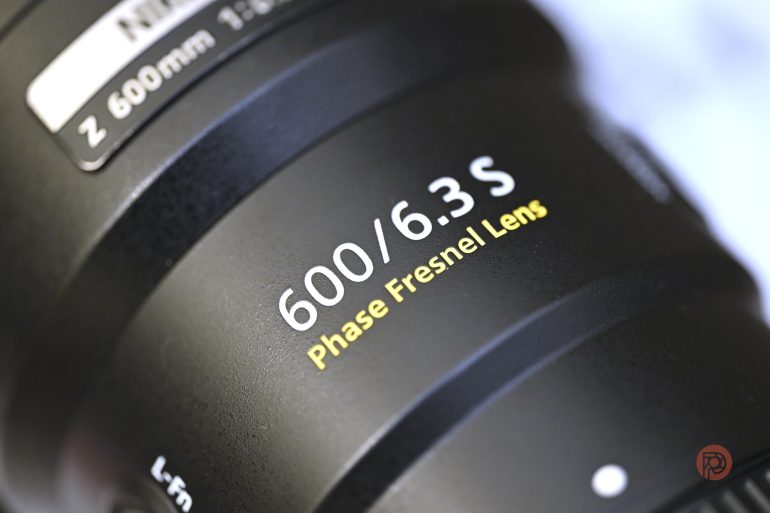
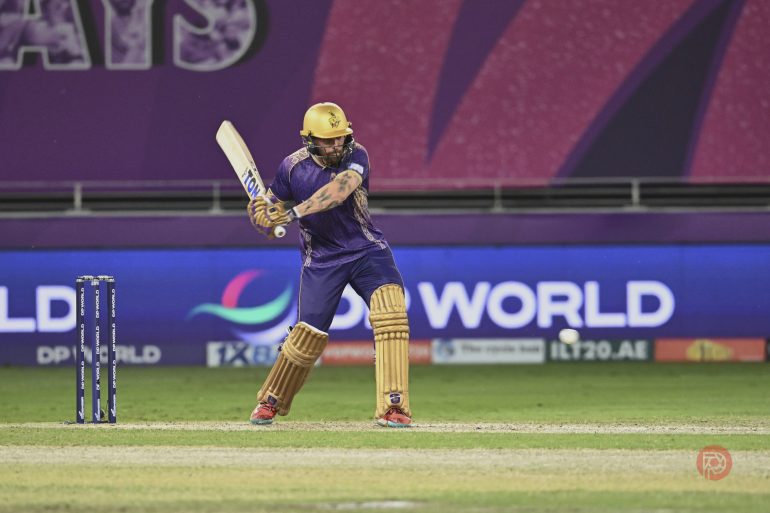
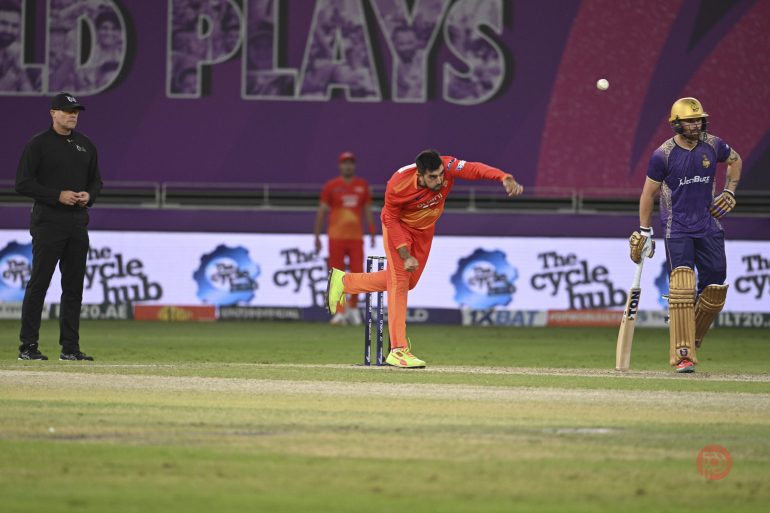
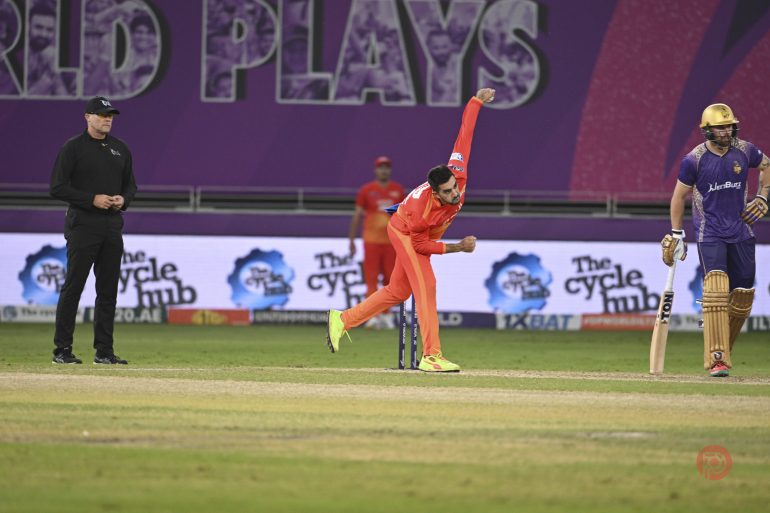
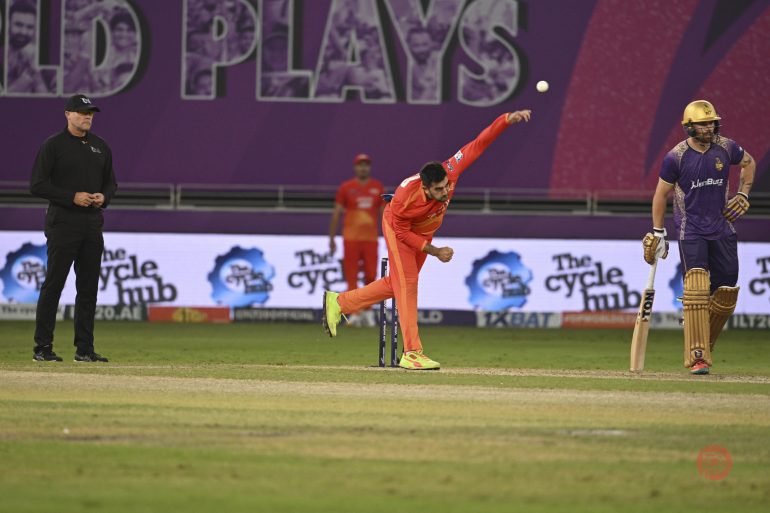
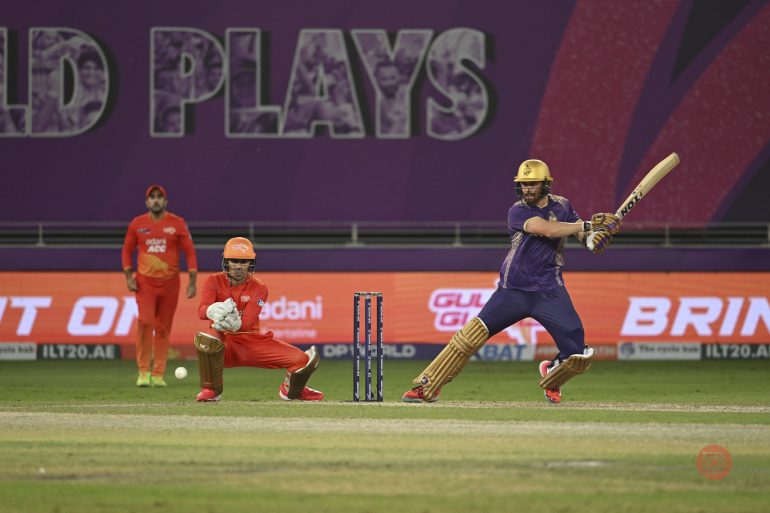
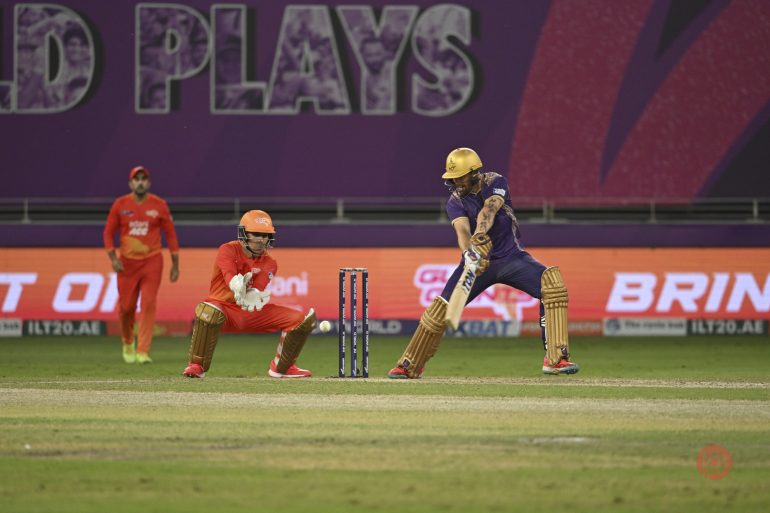
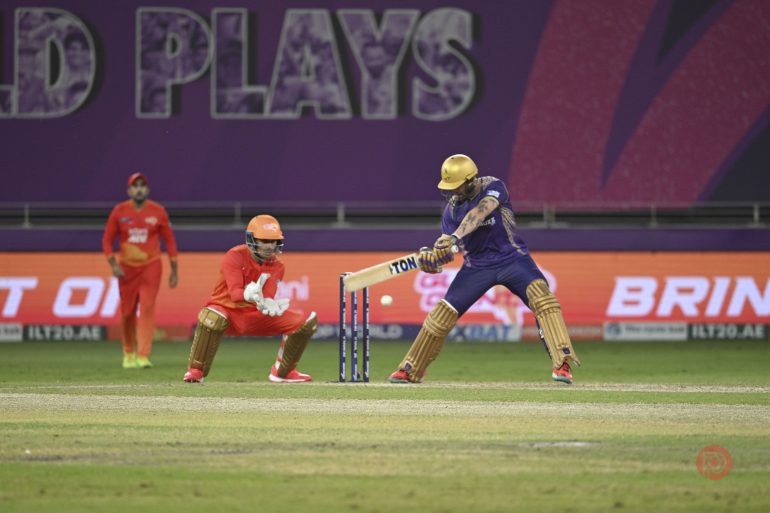
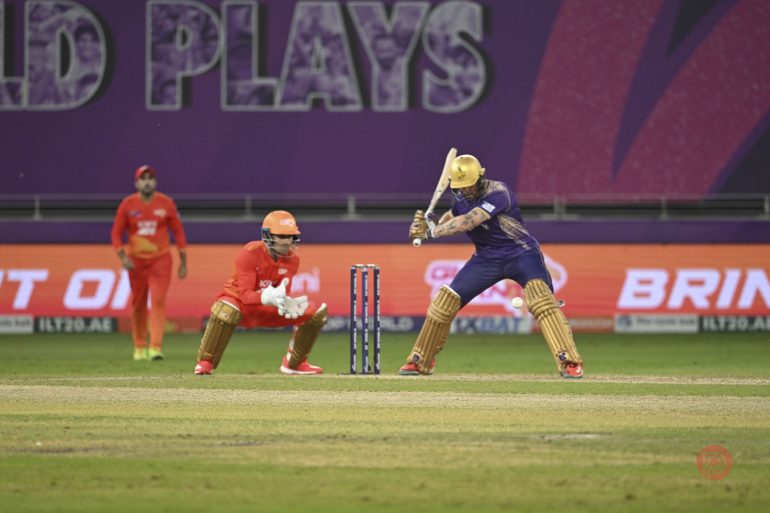
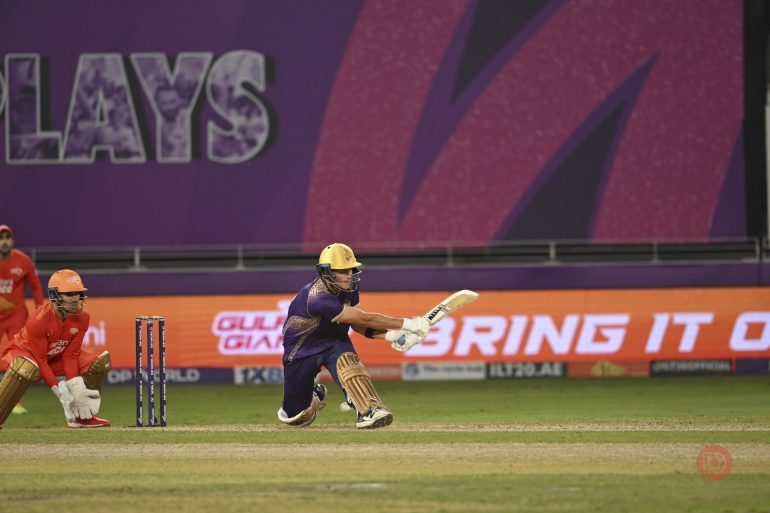
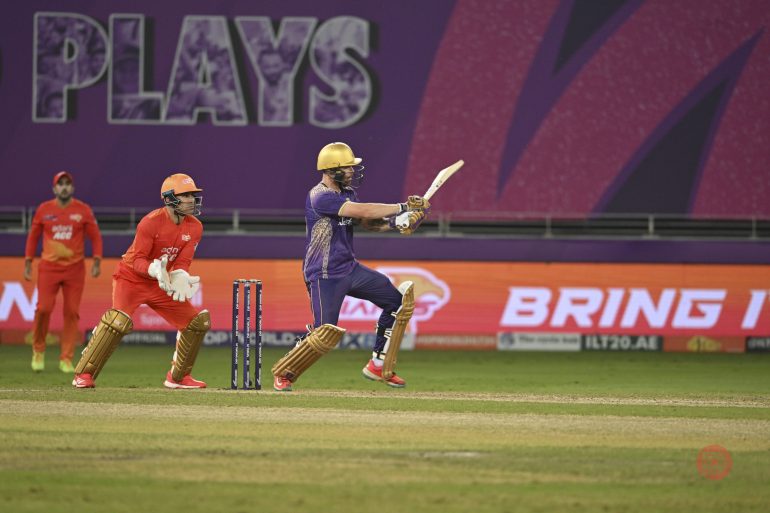
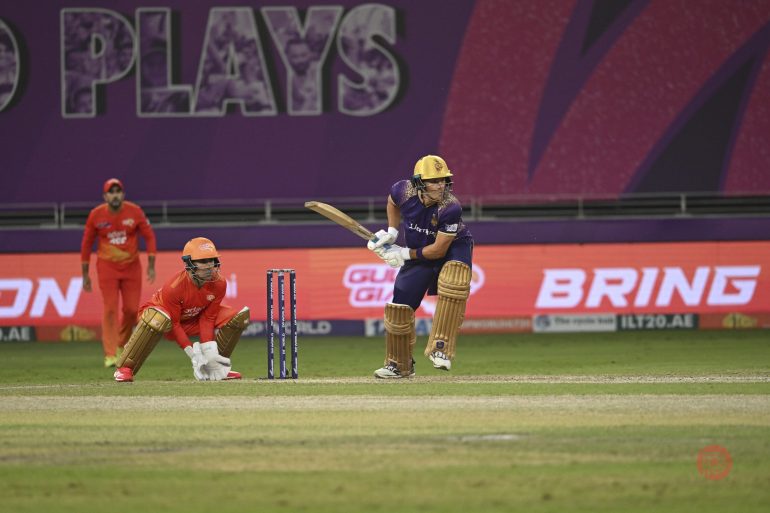
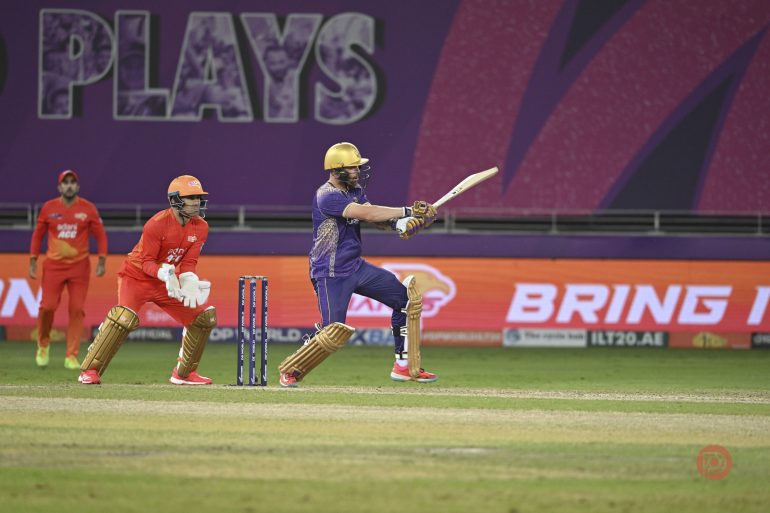
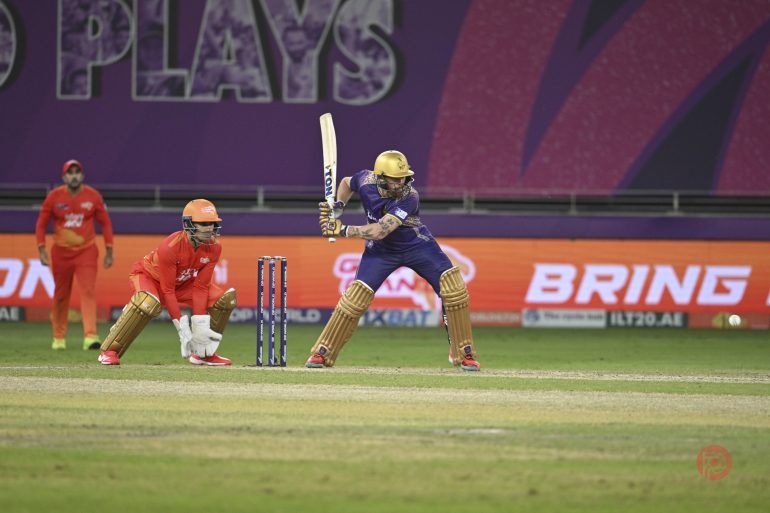
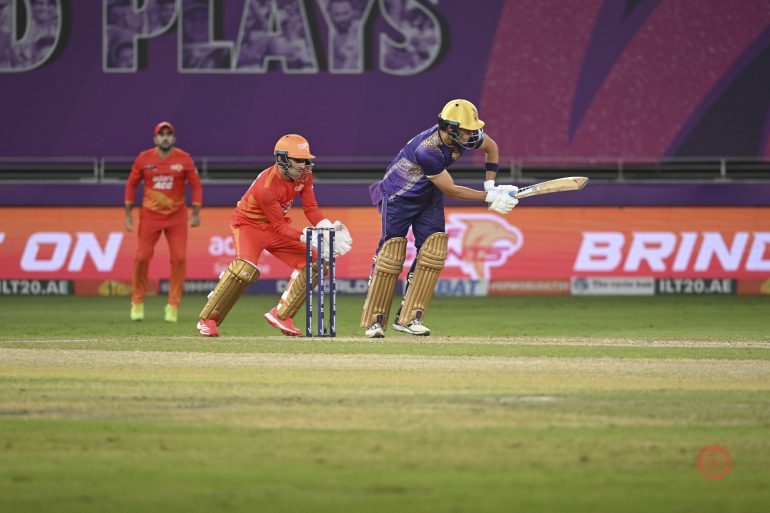
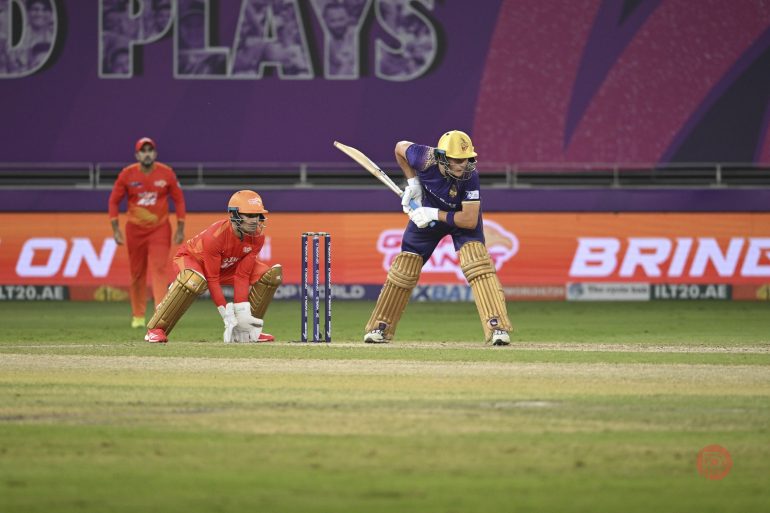
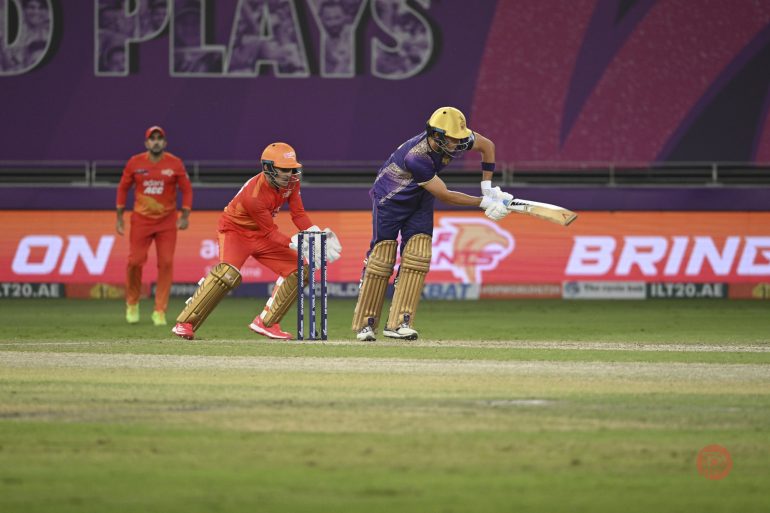
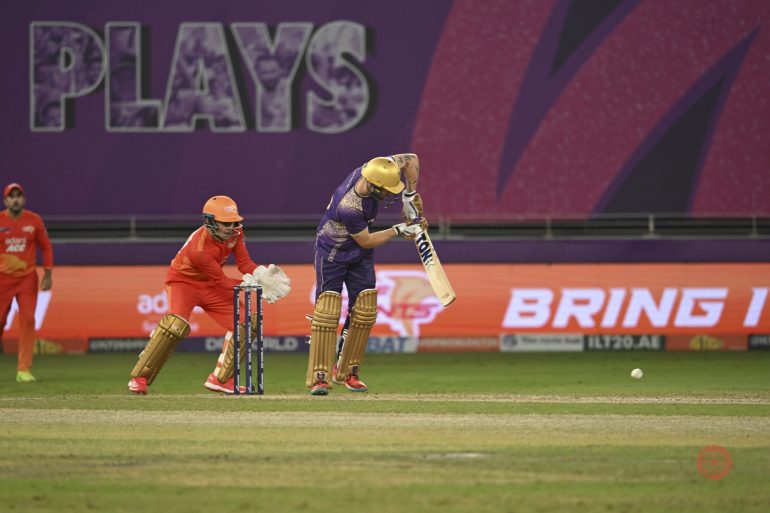
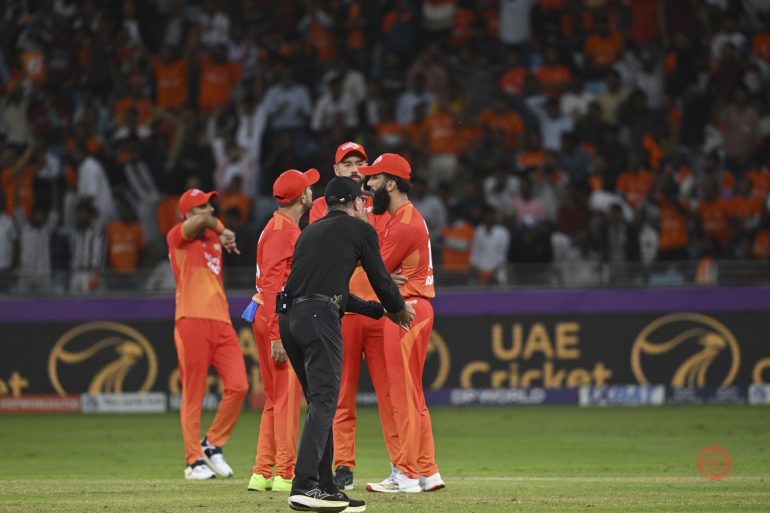
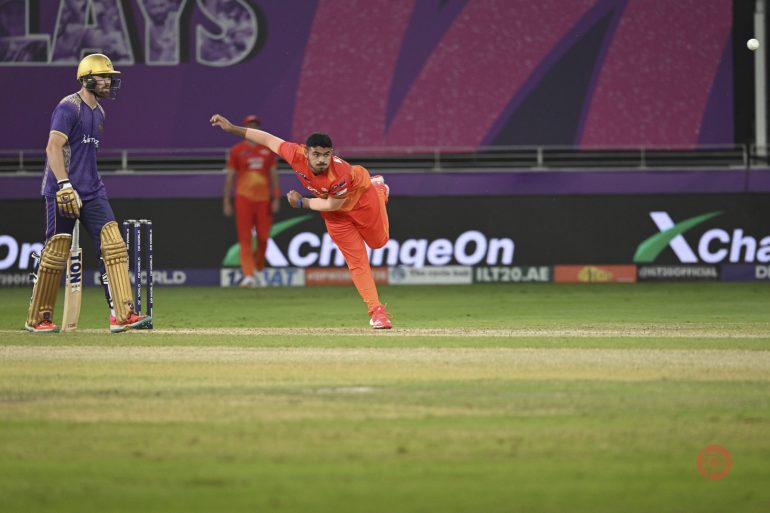
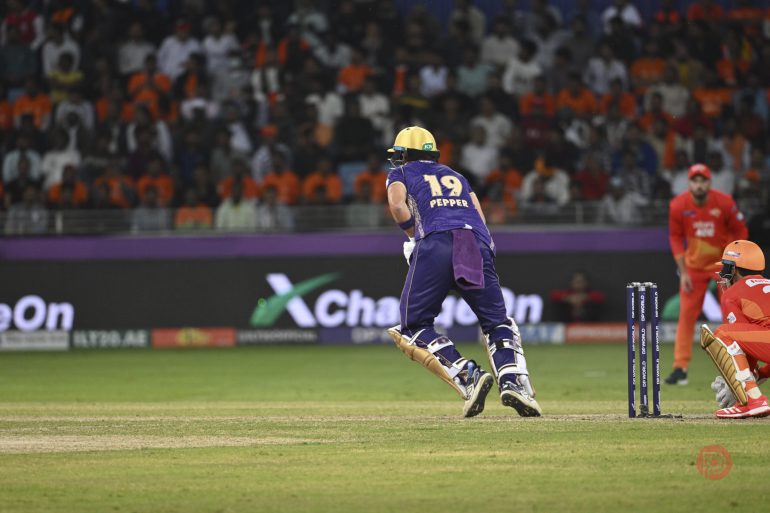
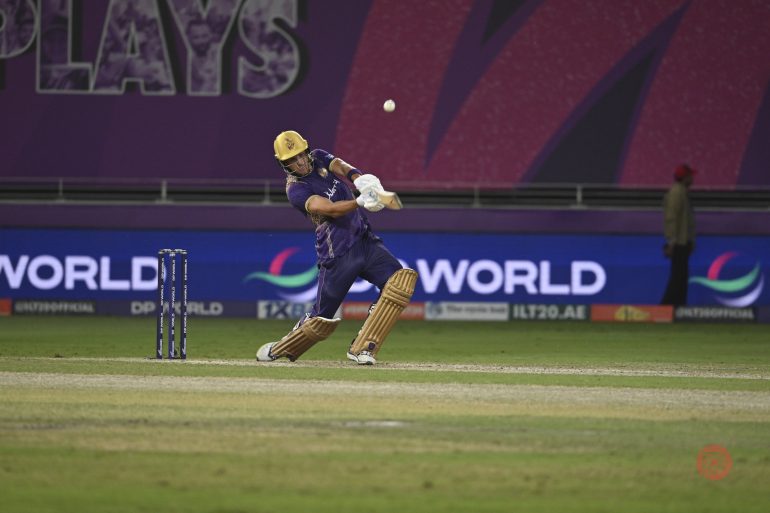
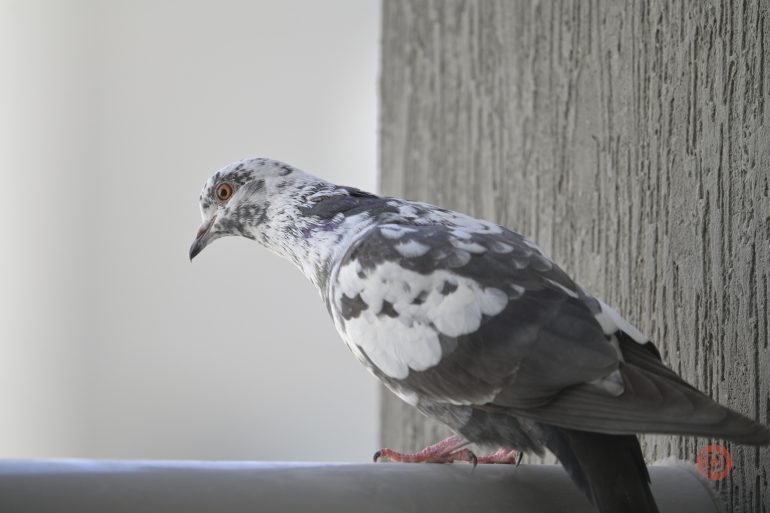
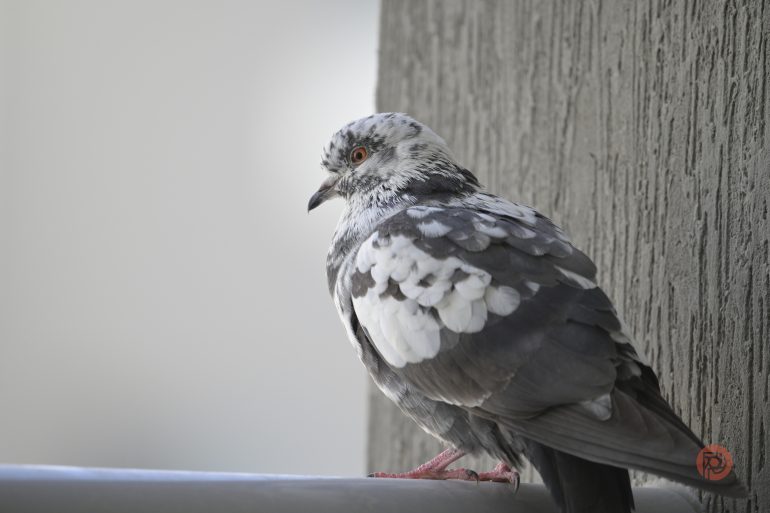
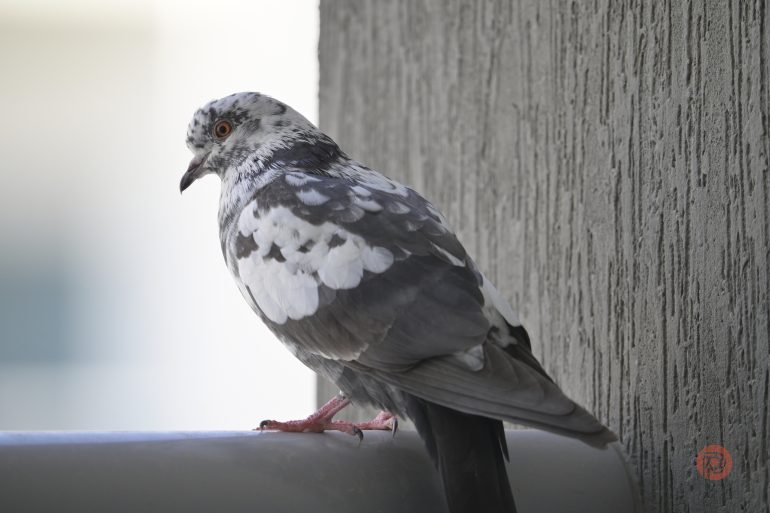
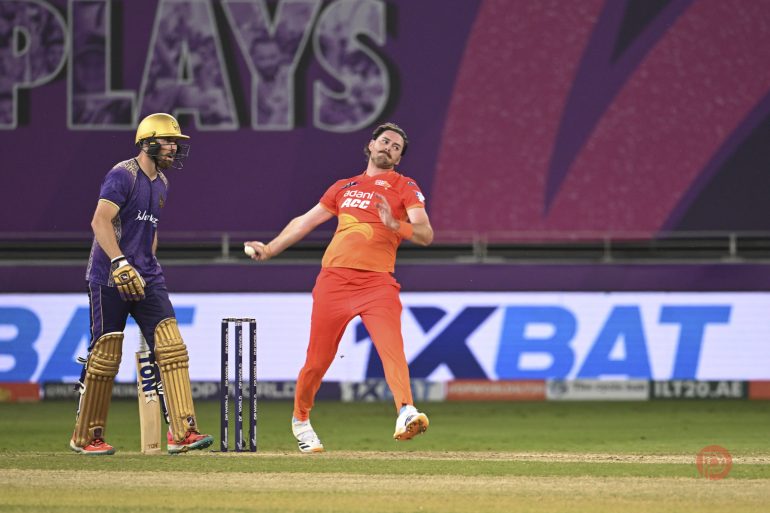
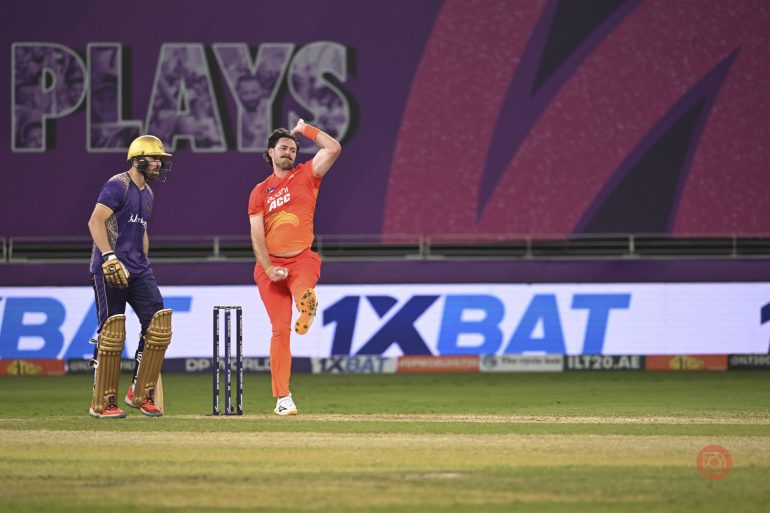
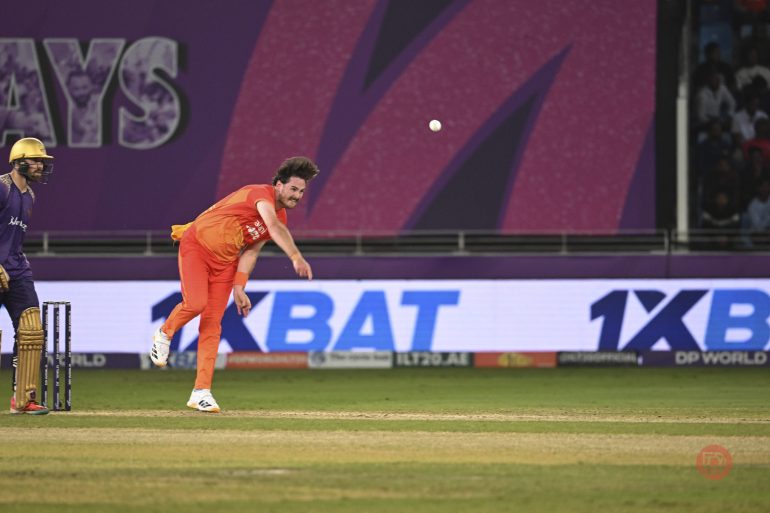
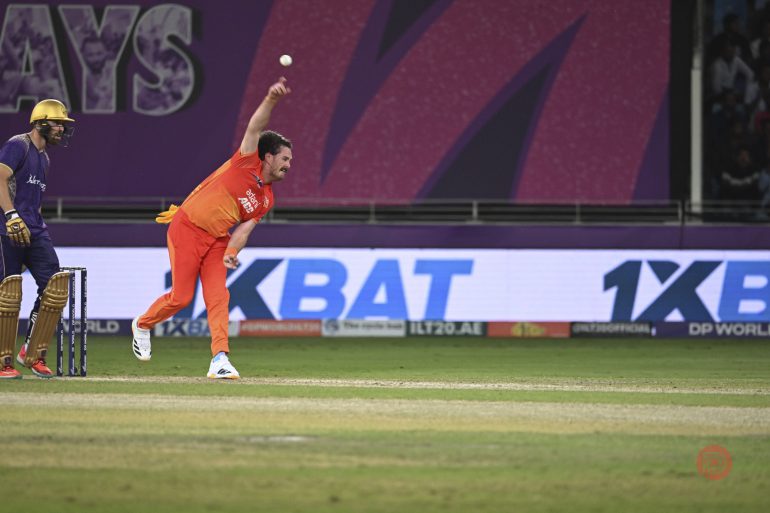
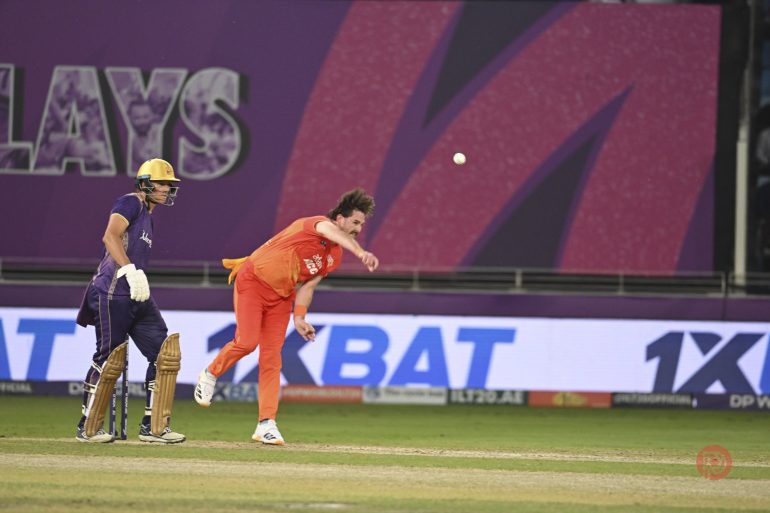
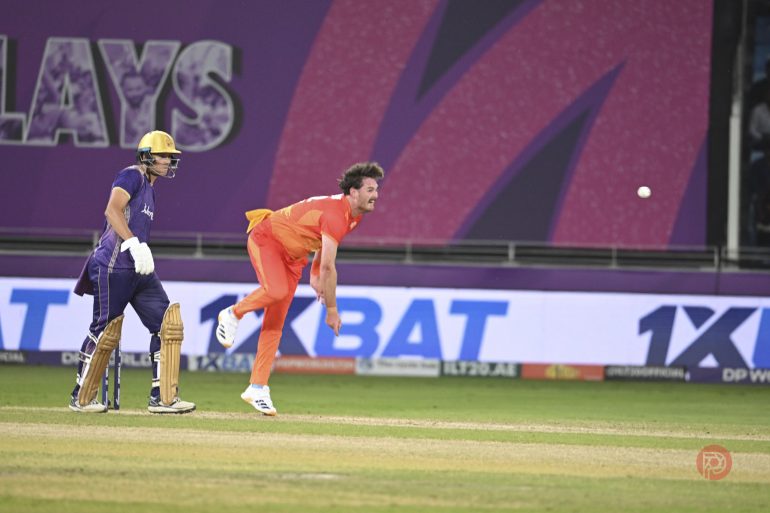
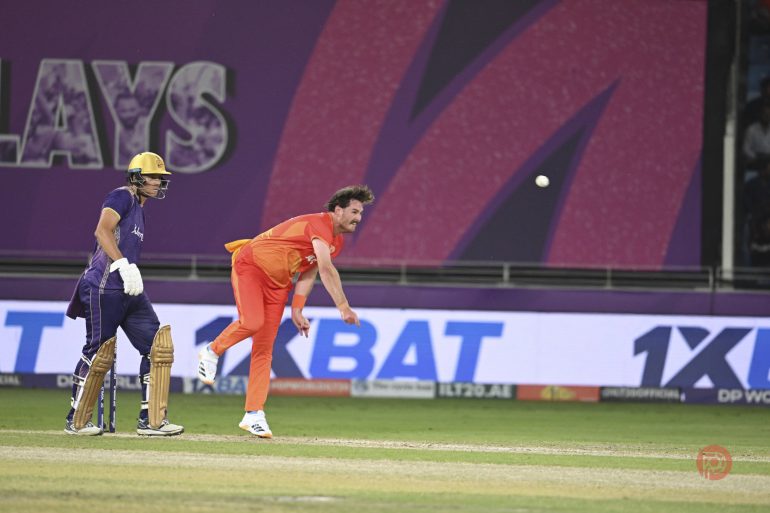
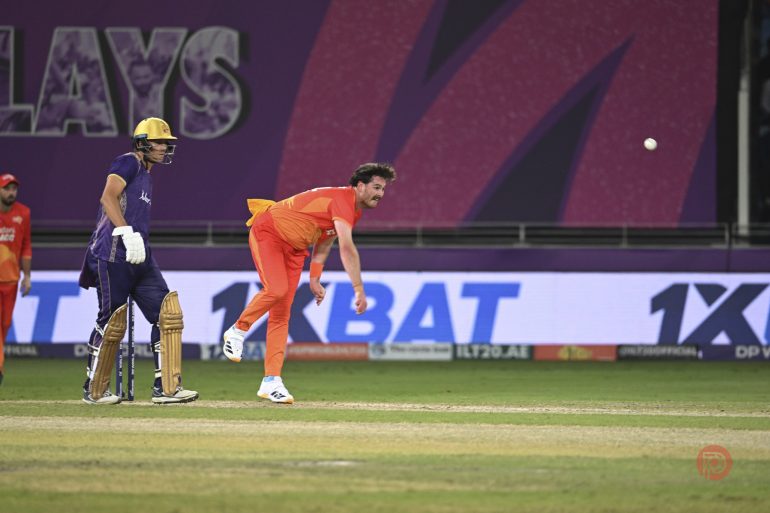
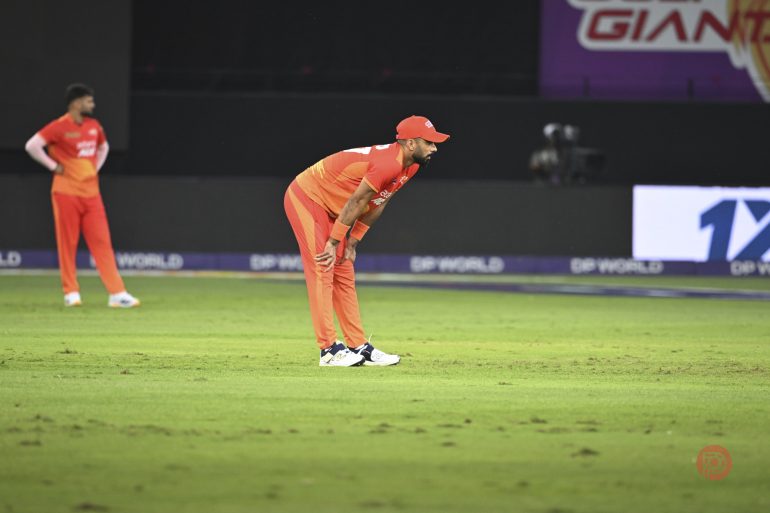
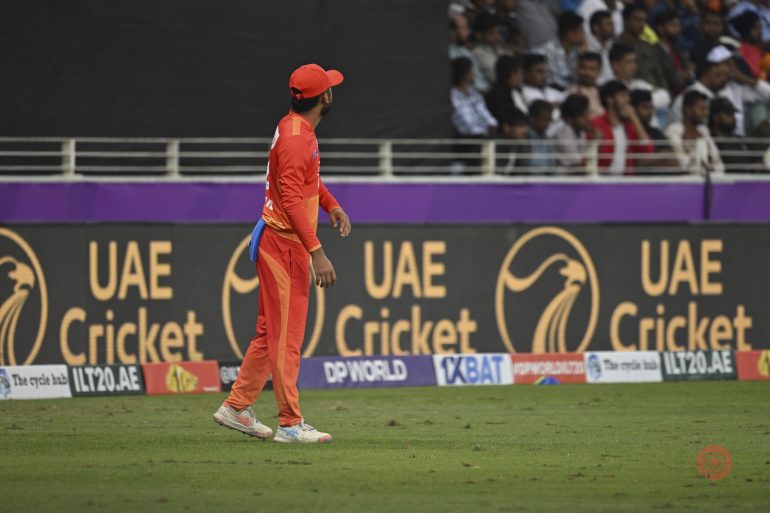
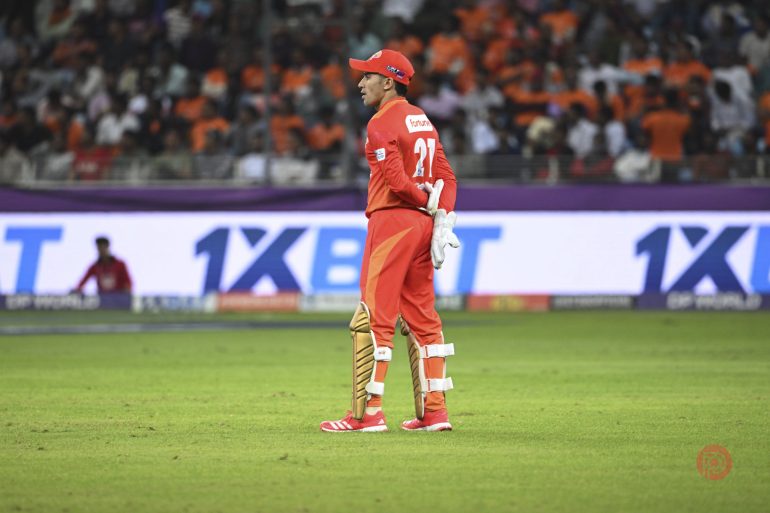
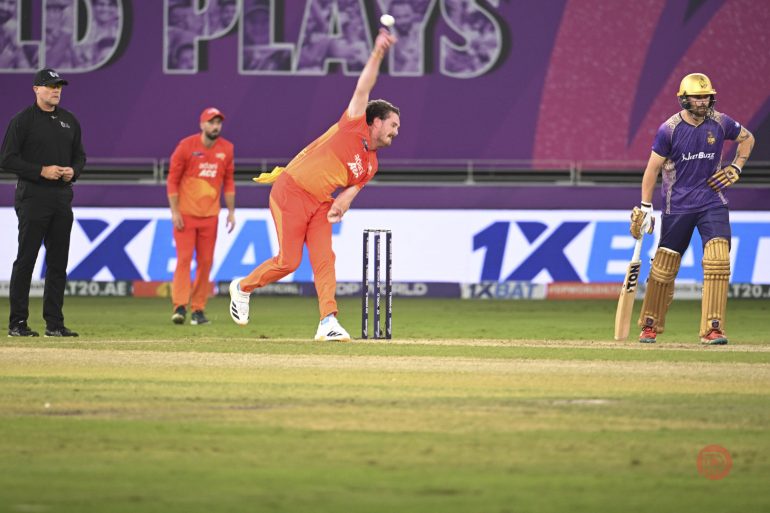
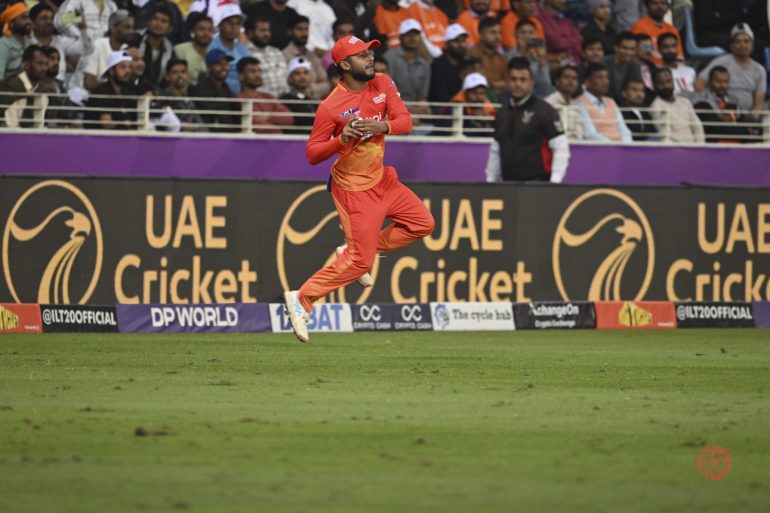
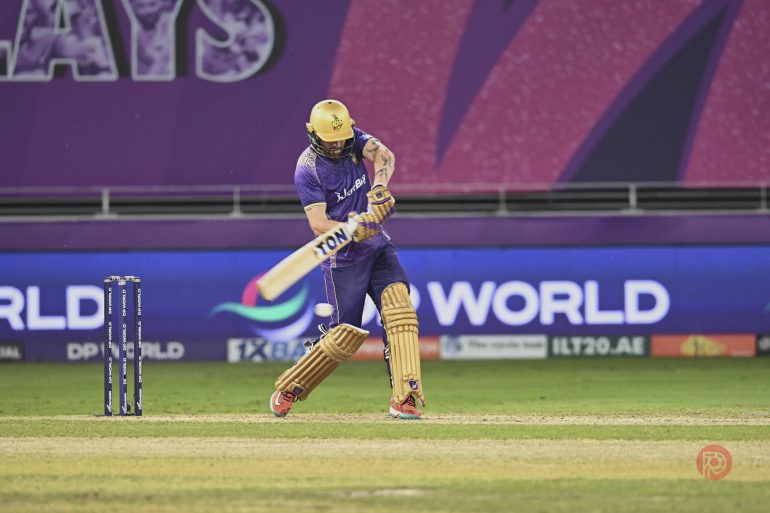
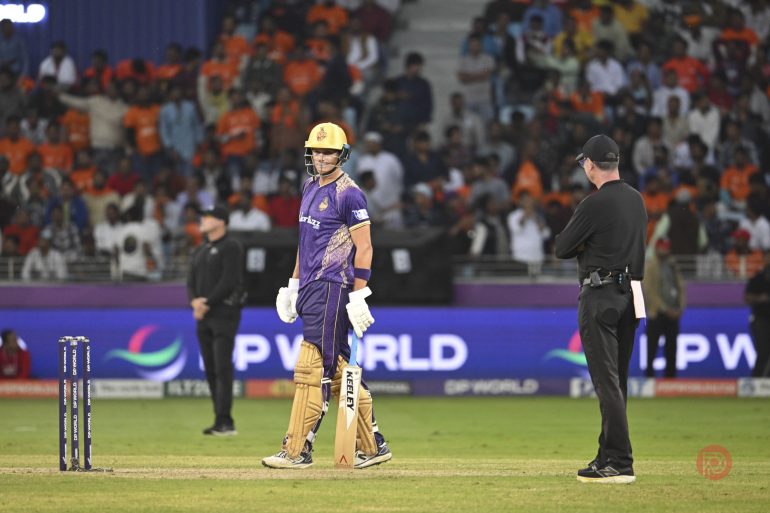
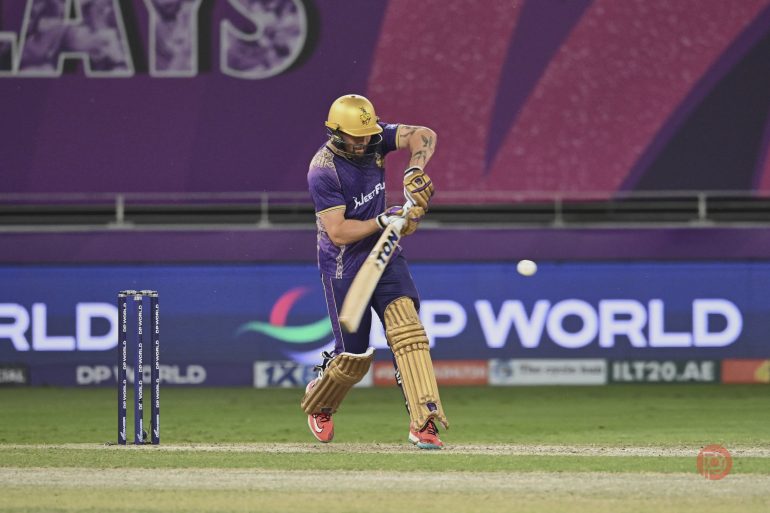
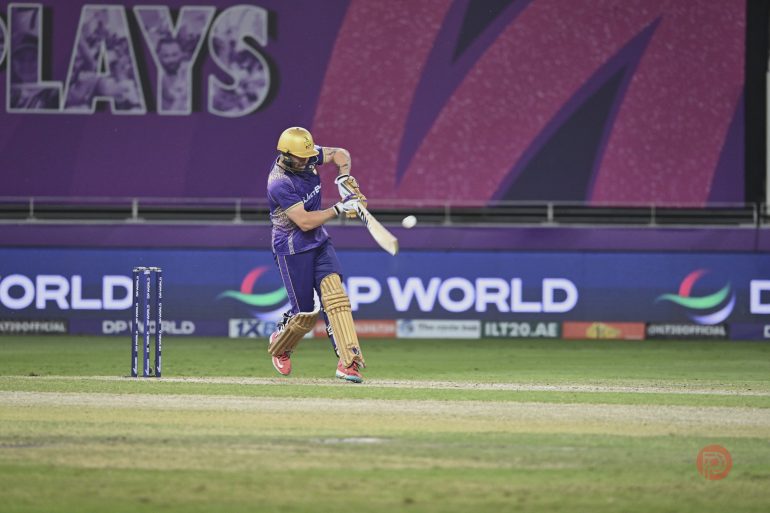
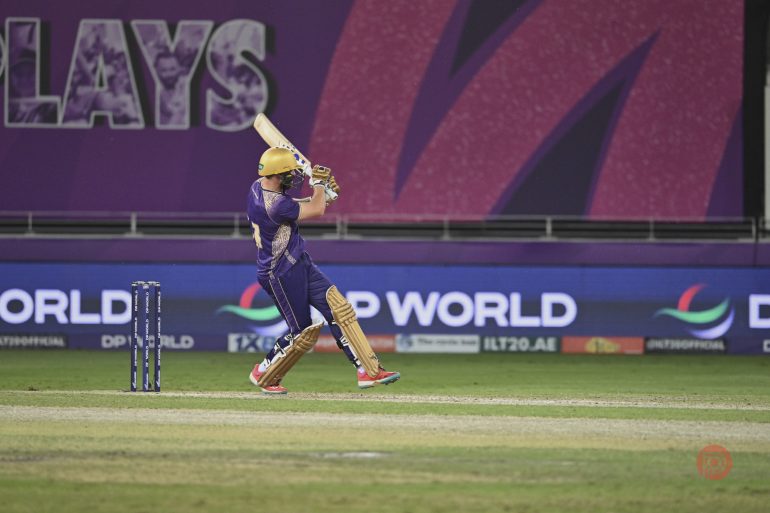
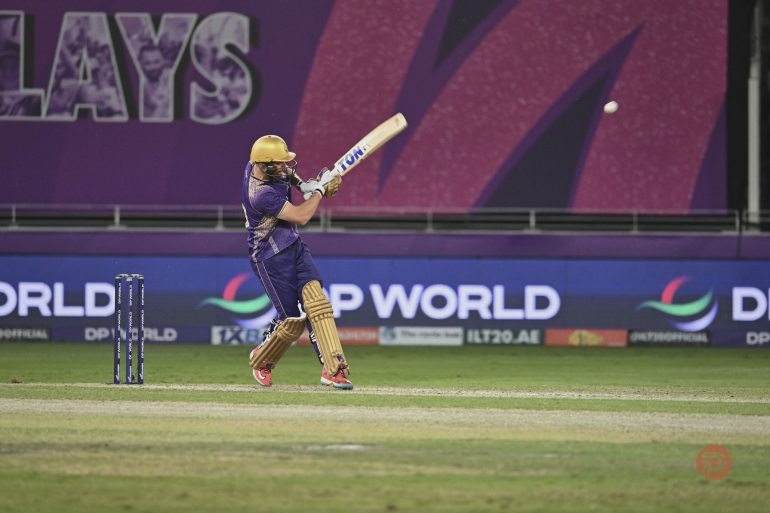
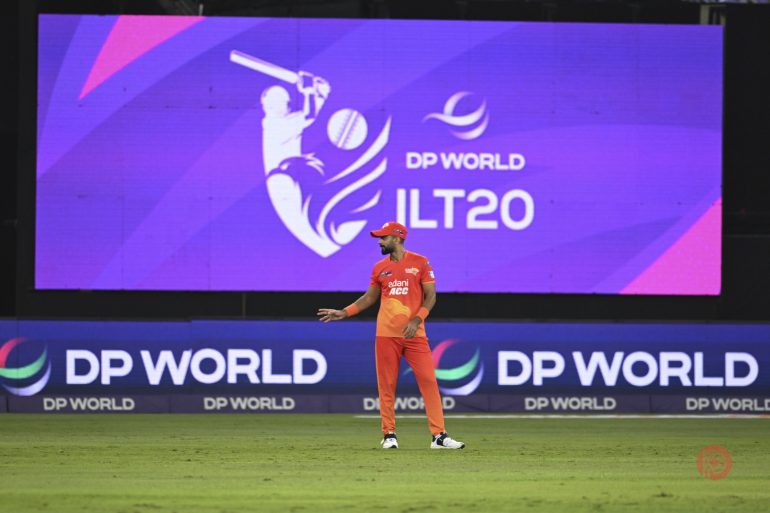
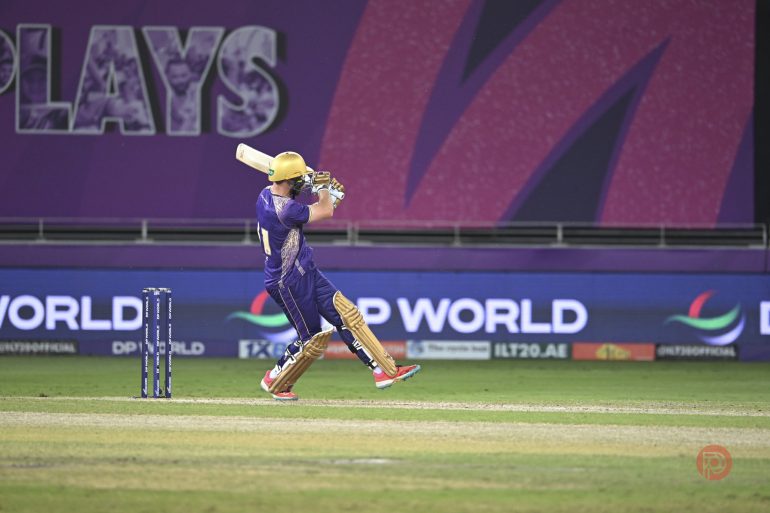
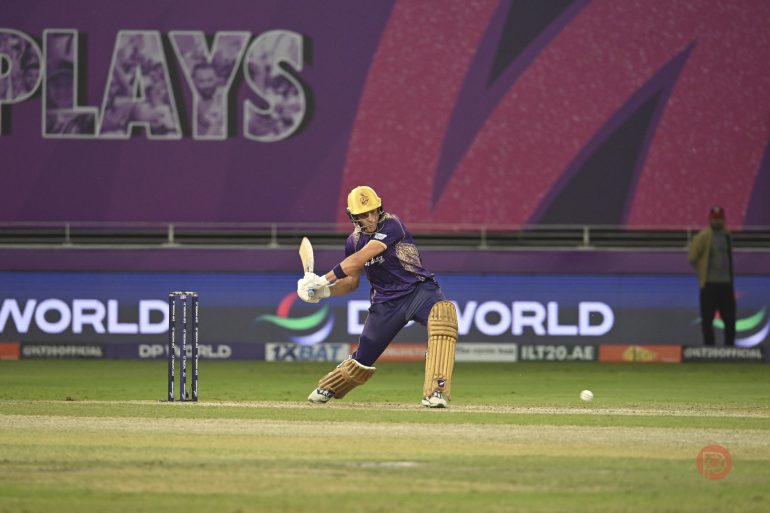
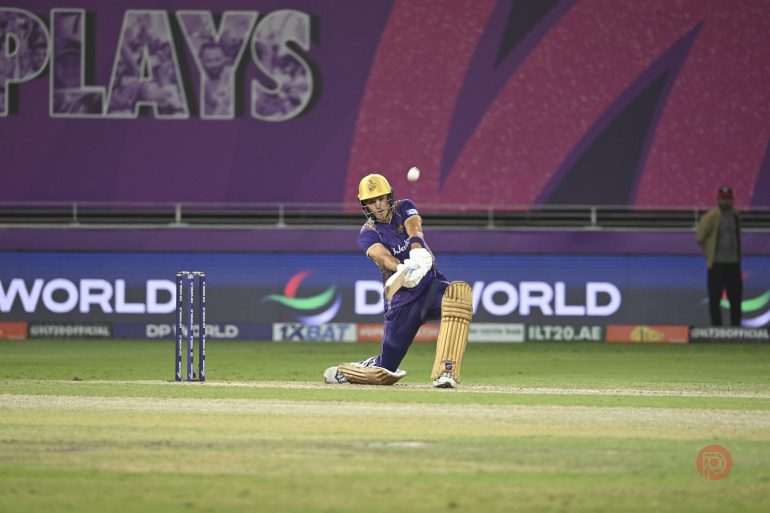
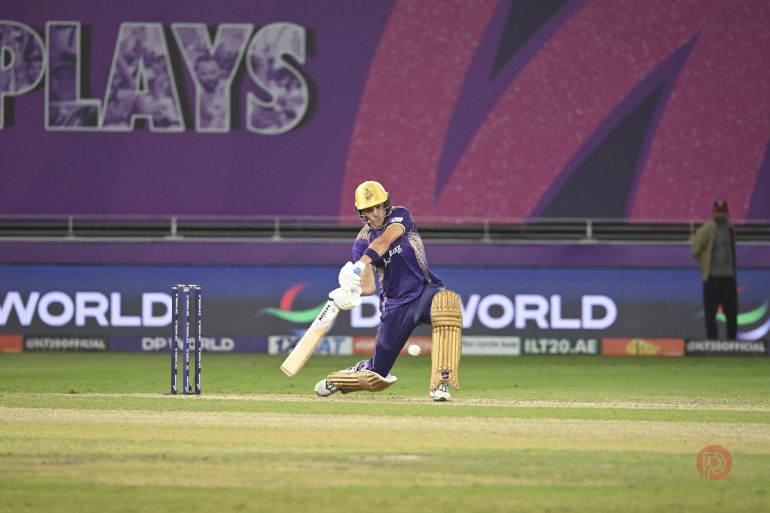
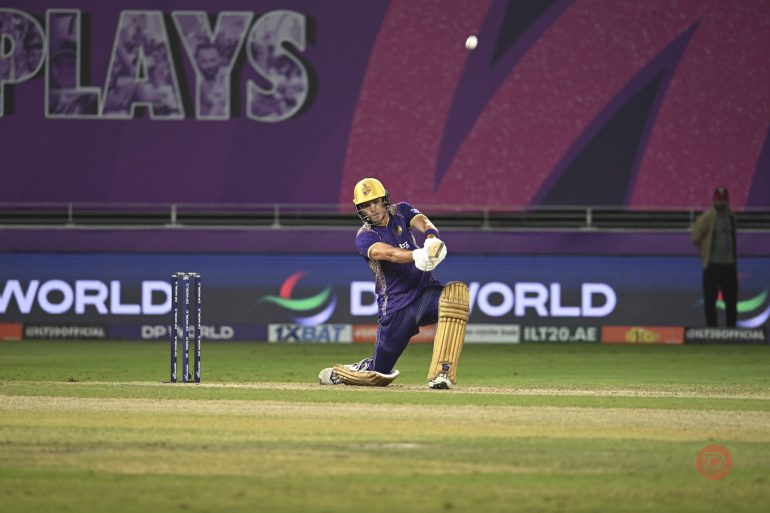
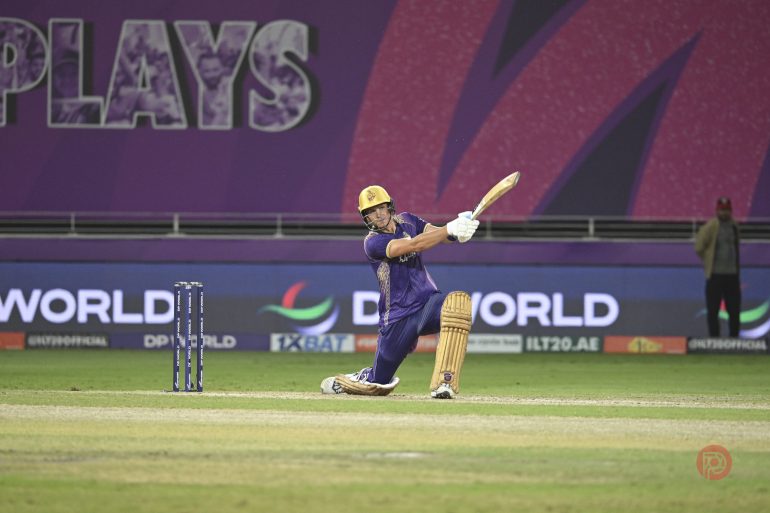
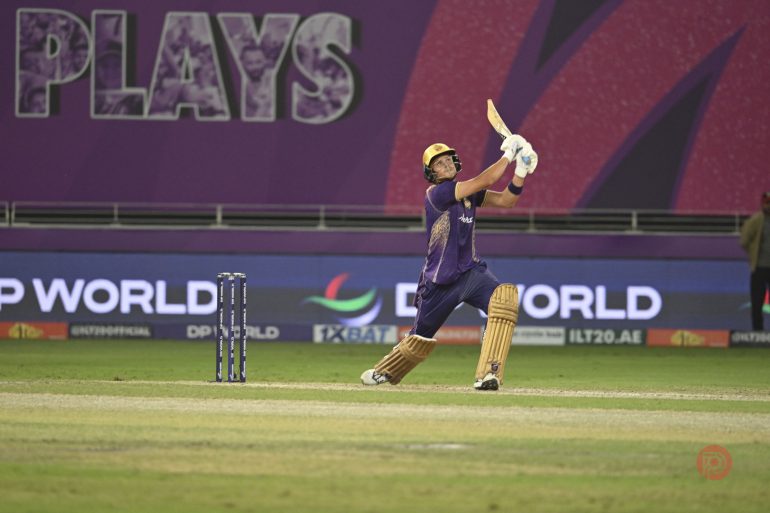
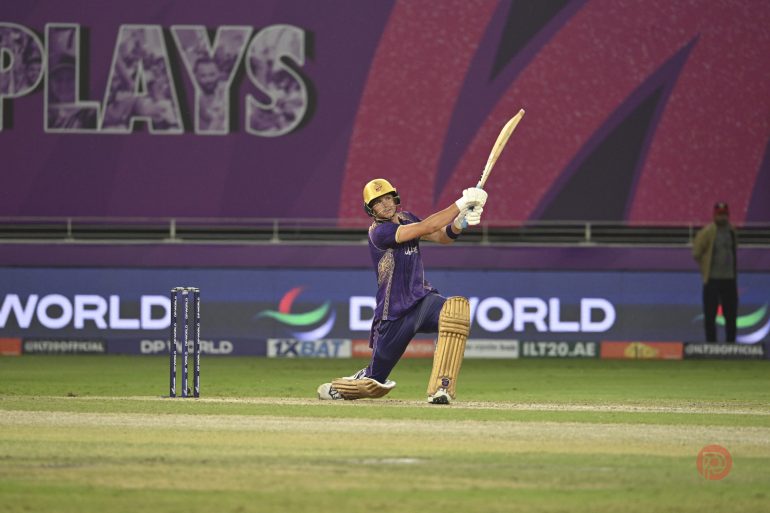
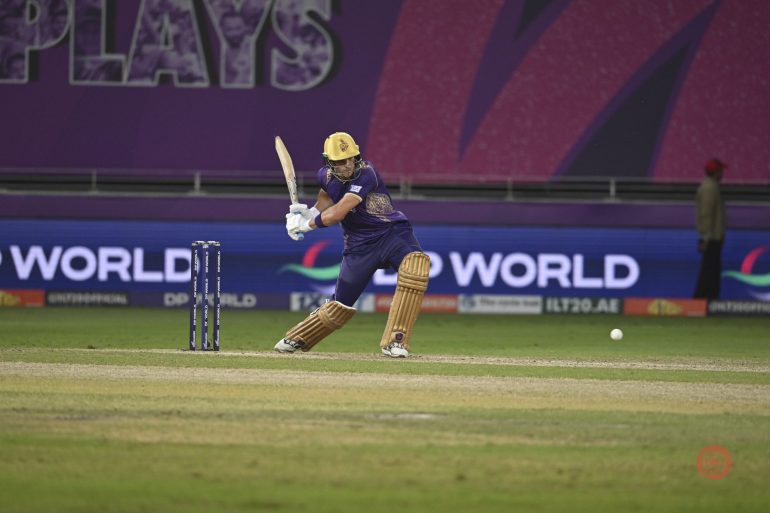
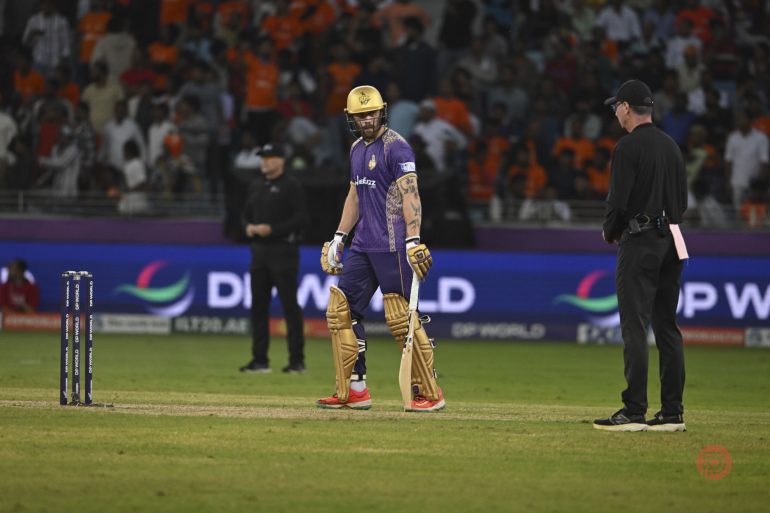
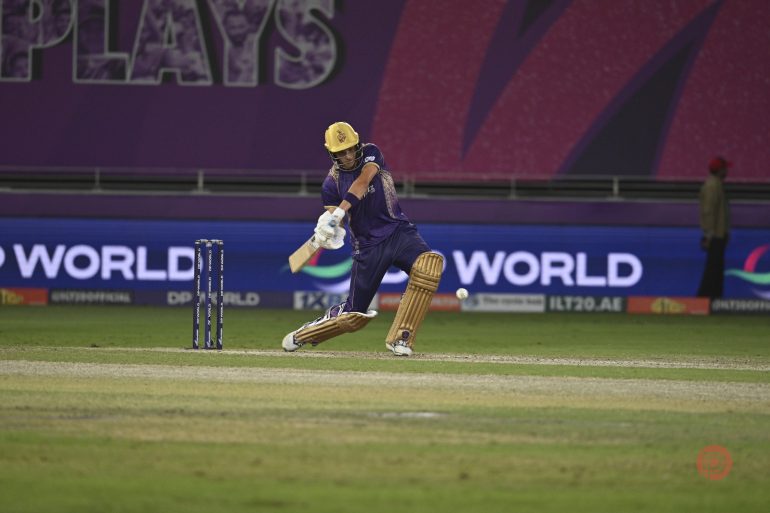
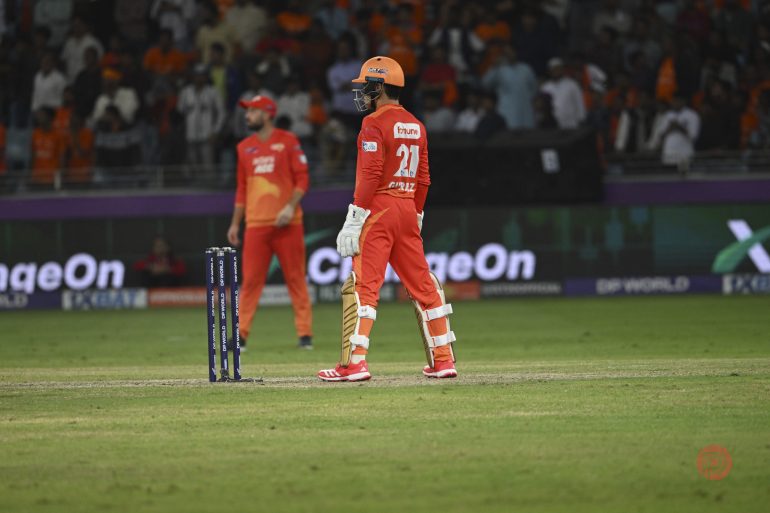
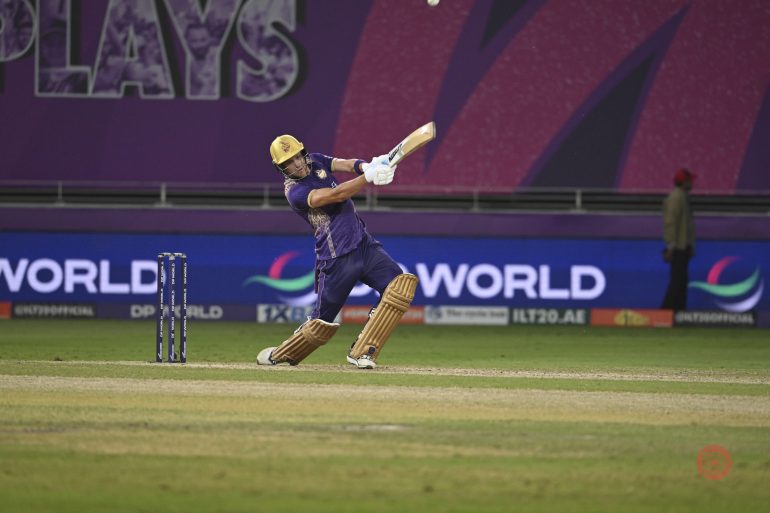
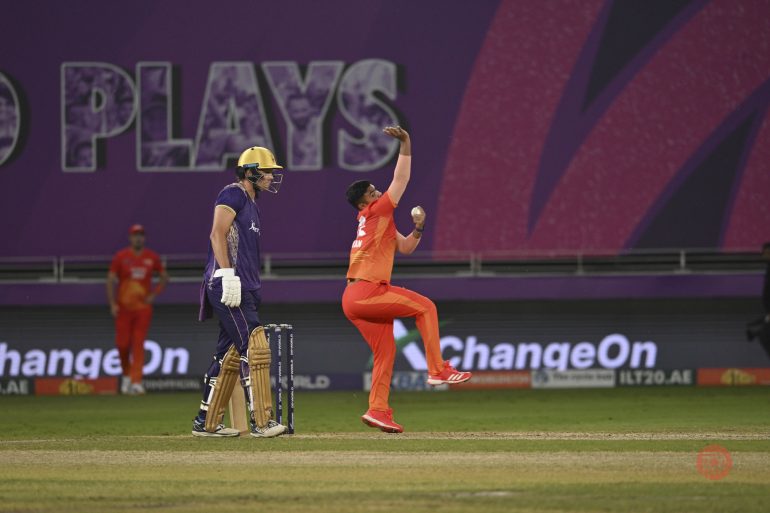
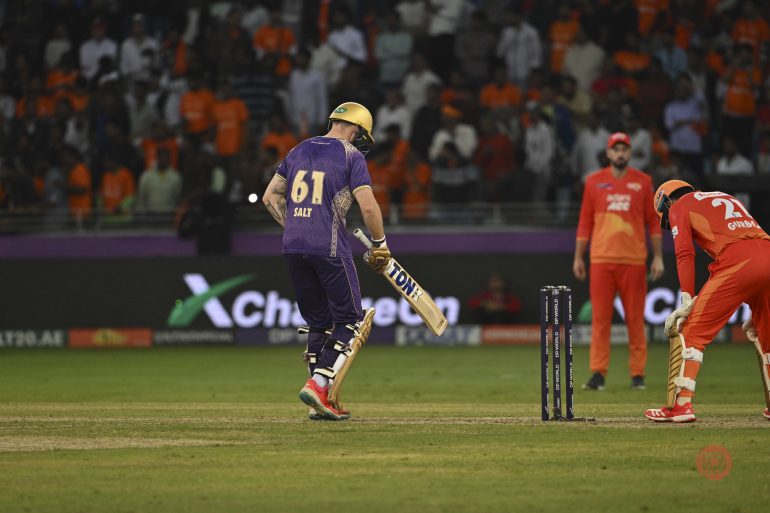
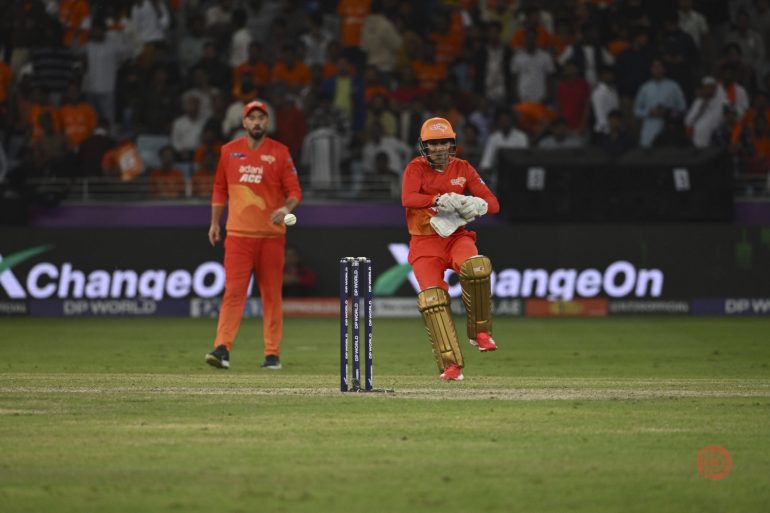
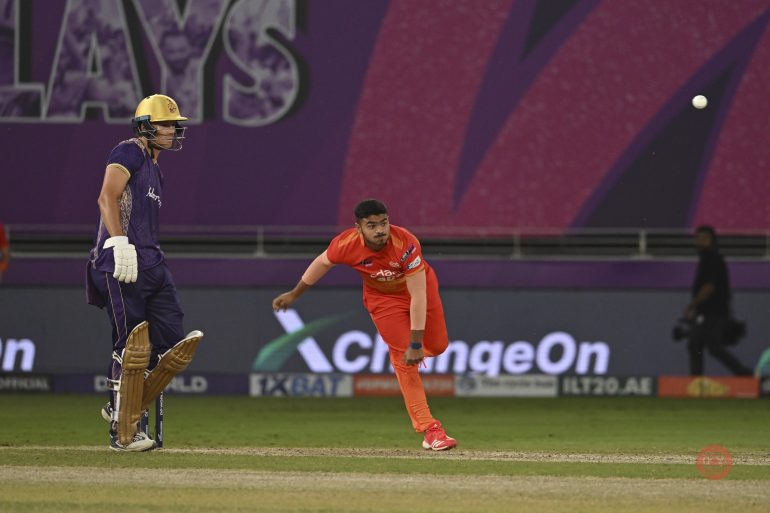
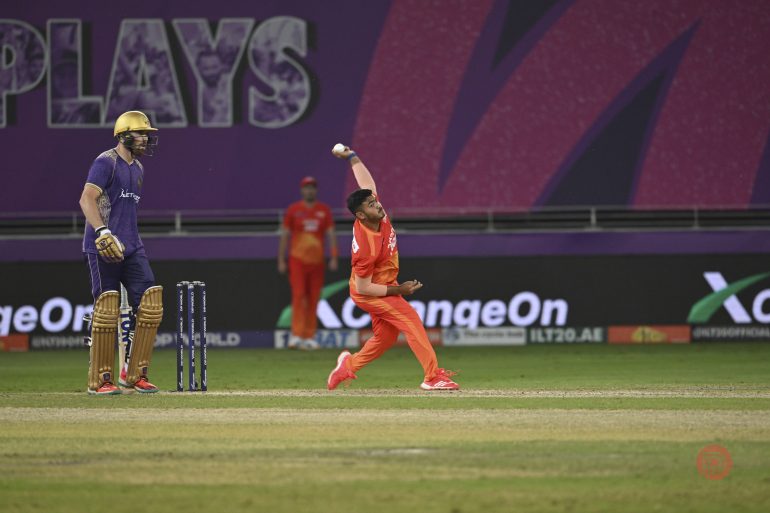
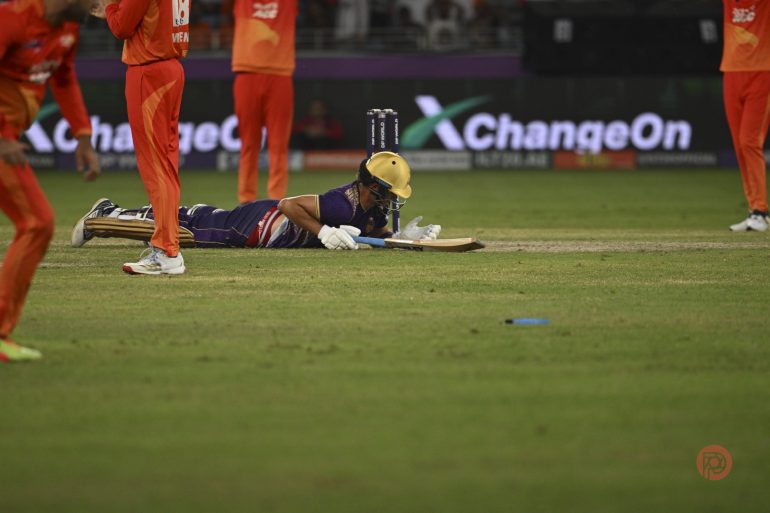
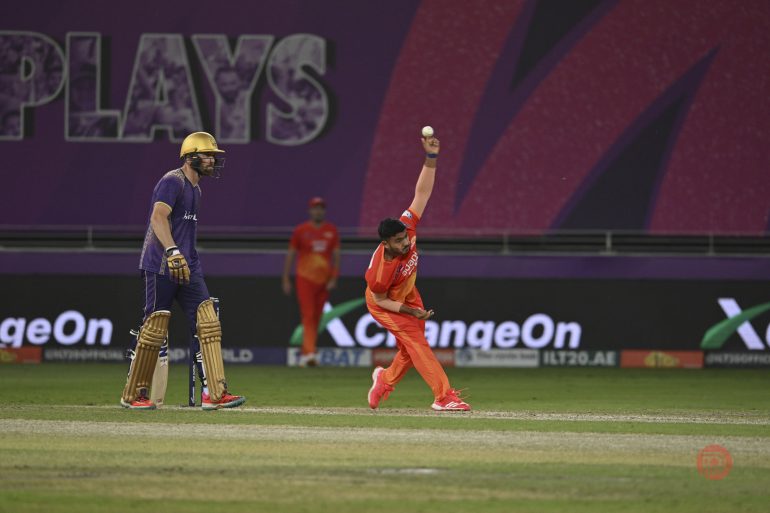
I know what you’re thinking – f6.3 is traditionally considered a narrow aperture. It’s a number that doesn’t quite excite people who grew up equating long lenses with f2.8 or even f4. But using modern Nikon Z cameras can change that equation entirely. When paired with bodies like the Nikon Z9, Z8, or Zf, you won’t feel as constrained because these cameras can handle high ISOs so cleanly that stepping up this dial is no longer the issue it once was on DSLRs. Shooting birds at dawn or sports under stadium lights no longer feels like a compromise and the image results prove this. Not just in the center, but across the frame, but that’s often hard to prove because even at f6.3, the lens is able to beautifully isolate your subjects from the background.


















Tech Specs
Taken from the Nikon Z 600mm f6.3 VR S lens product page:
| Specification | Details |
| Mount Type | Nikon Z Mount |
| Focal Length | 600mm |
| Maximum Aperture | f/6.3 |
| Minimum Aperture | f/32 |
| Format | FX |
| Maximum Angle of View (DX) | 2°40′ |
| Maximum Angle of View (FX) | 4°10′ |
| Maximum Reproduction Ratio | 0.15x |
| Lens Elements | 21 |
| Lens Groups | 14 |
| Compatible Formats | FX, DX |
| VR Image Stabilization | Yes |
| Diaphragm Blades | 9 |
| ED Glass Elements | 2 |
| Phase Fresnel | Yes |
| Fluorine Coating | Yes |
| Autofocus | Yes |
| Internal Focusing | Yes |
| Minimum Focus Distance | 13.13 ft (4 m) |
| Focus Mode | Auto / Manual |
| E-type | Yes |
| Filter Size | 95mm |
| Filter Type | Screw-in |
| Dimensions (Diameter × Length) | 106.5 mm × 278 mm |
| Approx. Weight | 1470 g |
Declaration of Journalistic Intent
The Phoblographer is one of the last standing dedicated photography publications that speaks to both art and tech in our articles. We put declarations up front in our reviews to adhere to journalistic standards that several publications abide by. These help you understand a lot more about what we do:
- At the time of publishing this review, Nikon ISN’T running direct-sold advertising with the Phoblographer. This doesn’t affect our reviews anyway and it never has in our 15 years of publishing our articles. This article is in no way sponsored.
- Note that this isn’t necessarily our final review of the unit. It will be updated, and it’s more of an in-progress review than anything. In fact, almost all our reviews are like this.
- None of the reviews on the Phoblographer are sponsored. That’s against FTC laws and we adhere to them just the same way that newspapers, magazines, and corporate publications do.
- Nikon loaned the lens to the Phoblographer for review. There was no exchange of money between us or our third-party partners and the Phoblographer for this to happen. Manufacturers trust the Phoblographer’s reviews, as they are incredibly blunt.
- Nikon knows that it cannot influence the site’s reviews. If we don’t like something or if we have issues with it, we’ll let our readers know.
- The Phoblographer’s standards for reviewing products have become much stricter. After having the world’s largest database of real-world lens reviews, we choose not to review anything we don’t find innovative or unique, and in many cases, products that lack weather resistance. Unless something is very unique, we probably won’t touch it.
- In recent years, brands have withheld NDA information from us or stopped working with us because they feel they cannot control our coverage. These days, many brands will not give products to the press unless they get favorable coverage. In other instances, we’ve stopped working with several brands due to ethical concerns. Either way, we report as honestly and rawly as humanity allows.
- At the time of publishing, the Phoblographer is the only photography publication that is a member of Adobe’s Content Authenticity Initiative. We champion human-made art and are frank with our audience. We are also the only photography publication that labels when an image is edited or not.
More can be found on our Disclaimers page.