

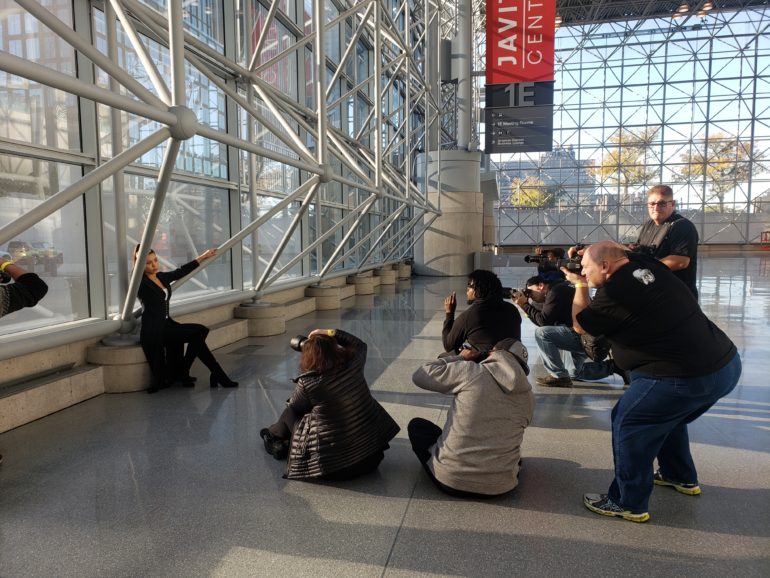
When you meet a group of photographers, the conversation, unsprisingly, turns towards cameras. Which camera are you using? When will you upgrade? Is Sony actually better than Canon? Why is an f1.2 lens better than an f1.8 lens? But what about the gaze? What about the contents of an image? Who is actually “seeing” rather than simply consuming images? Despite trillions of images online, we often come across works that are almost identical. Is novelty dead? Absolutely not. But why do we feel it is?
Camera is Not Neutral
One of the things we often overlook is that our cameras have never been neutral tools. In his essay, “The Right to Look,” Nicholas Mirzoeff shares “visuality” as a system that organizes people in groups, while controlling who must be visible and who must not. Thus, the gaze has a structure, one that is colonial, patriarchal, and caste-based, even before the shutter is released. In many ways, photography serves as a political tool that can either expose or reinforce divisions. And there is a way to tackle this, or as Mirzoeff suggests, “Countervisuality is the claim of a right to look where visuality attempts to impose its authority.”
Reimagining archives and visuals is one way to benefit the community. An example is one of the photographs from Abu Ghraib prison during the Iraq War, where a detainee was forced to stand on a box, with a ragged hood over his head. The frail man bears a resemblance to Jesus on the cross. Today, it is one of the most popular photographs of all time, which continues to shed light on human rights abuses by the U.S. military. The photograph exists to remind us about power, its imbalance, and who gets to control the narrative. But upon its release, the image took a life of its own and continued to challenge authority, exposing their crime.
Photography is about power and resistance, and your gaze must document the tension between these two forces. While not all of us are war photographers, we continue to document our surroundings, friends, and family. As someone who is behind the camera, we must take charge and be conscious of what we shoot and how we capture it. Sure, a trend can give you visibility, but is it worth it compared to the mark you are leaving behind?
Reclaiming the Frame
Just like a camera is not neutral, there is also the history of images being built for a patriarchal world, one that is also racist in many ways. For instance, early male photographers such as André Adolphe-Eugène Disdéri and Adolph de Meyer both reinforced patriarchal norms of beauty and, in some ways, contributed to bodily control, says Amelia Jones in her essay “The Eternal Return.” Similarly, Susan Sontag notes in “Regarding the Pain of Others” that James Nachtwey, successor of Don McCullin, relies on aesthetic competition, which in turn makes images of grief and suffering a spectacle for the world to watch.
The appetite for pictures showing bodies in pain is almost as keen, almost, as the desire for ones that show bodies naked.
Susan Sontag, “Regarding the Pain of Others”
However, with each of the photographers remaining popular today, you also have others, more modern creators, who have changed the way we look at and accept these archives. For instance, Cindy Sherman‘s portraits prompt you to consider the stereotypes and tropes about women in mass media. Santu Mofokeng, a South African photographer, documented the everyday life of Black people as a means to showcase social landscapes of apartheid and post-apartheid South Africa. Similarly, Jeff Wall‘s photograph, Dead Troops Talk, also reveals how staged photographs can convey a range of emotions and sometimes prompt us to think deeply about our actions and our history.
Where Do We Stand Today
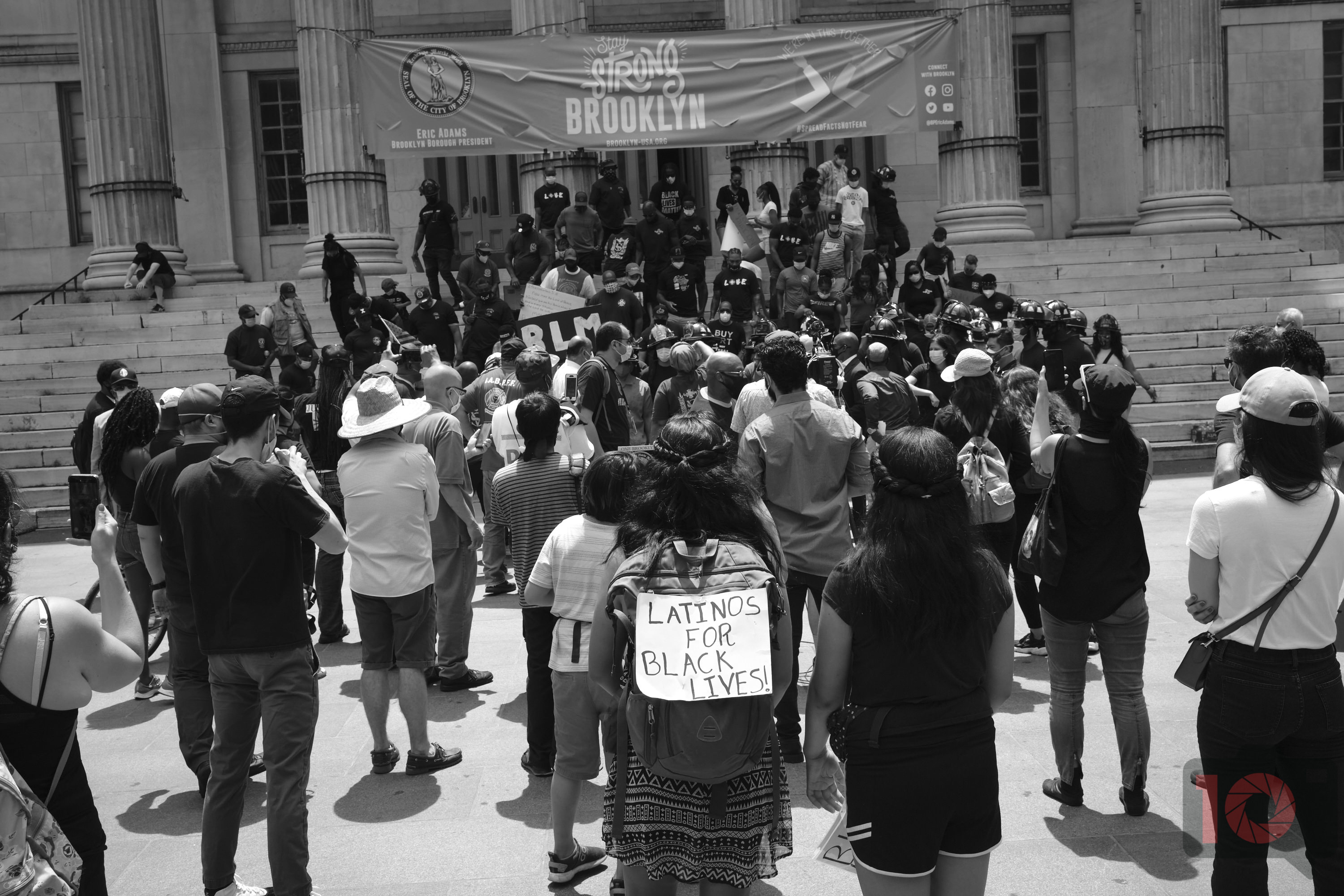
One could argue that the power of photography has diminished with the proliferation of cellphones, the advent of social media, and the activism that is prevalent today. Long gone are the days when the state, media houses, and a handful of photographers controlled the narrative. When movements such as #BlackLivesMatter, #MeToo, and Dalit activism (very prominent in India) emerged, many photographers from within these communities chose to rewrite their stories, claiming who has the right to be seen.
But despite us taking several steps forward, challenges such as surveillance, deepfakes, and online harassment continue to affect how we look and absorb images. While we live in a time of access, there is also inequality and blow to the impact. So, while we have the tool, the urgency remains in understanding ethics and politics to create something new and different. How we look, return the gaze, and listen to those within the frame can help us build communities that resist the hierarchies we have learned from the past. The question that you now need to answer is: “How do we create images and practices of looking that are liberating, provide dignity, and imagine a more just future?”