

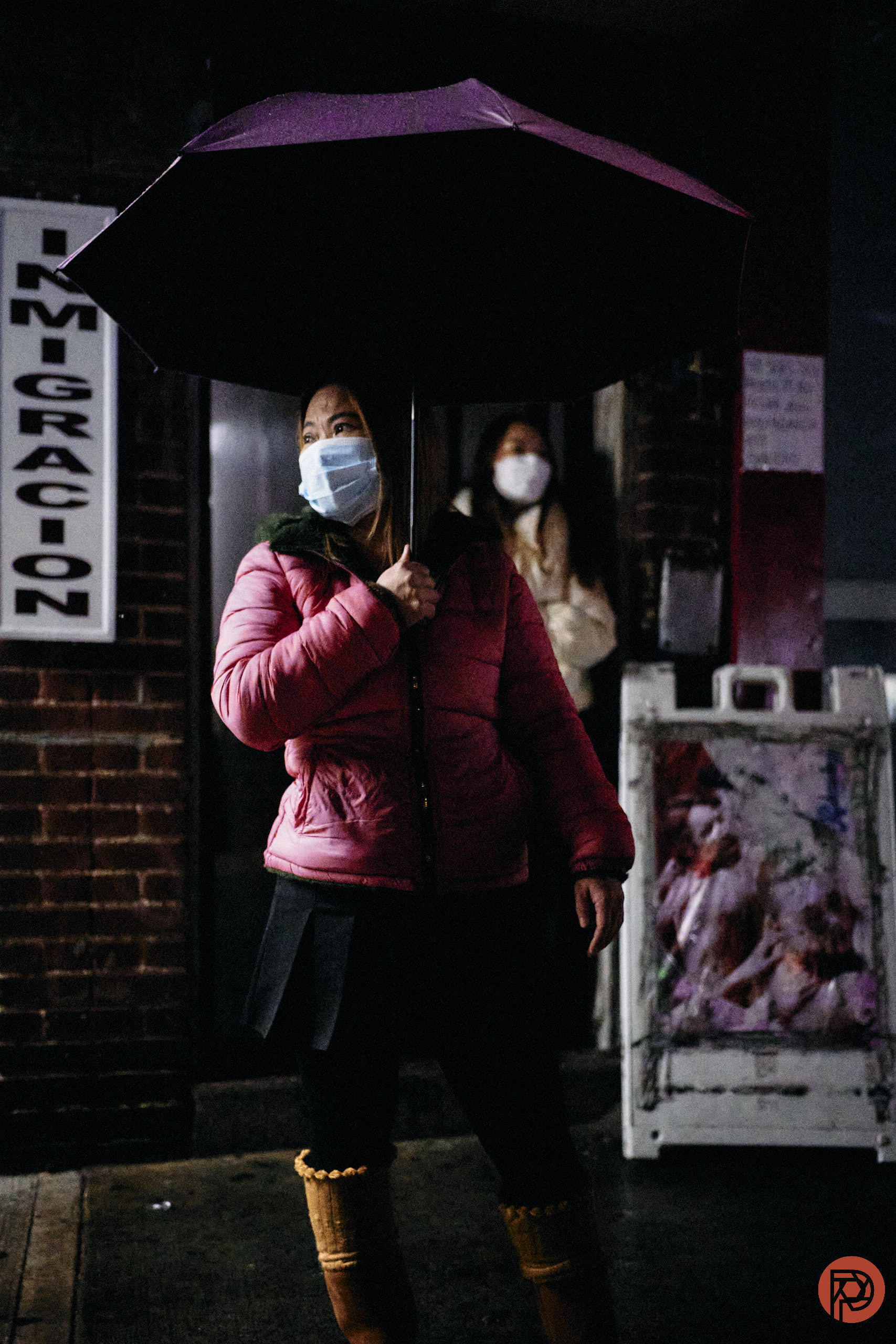
A while ago, the Phoblographer changed the way that we review cameras. For many years, publications and even Youtubers used to talk about Low Light performance. But they were really only discussing how the high ISO output of cameras do. Today, high ISO image quality is really good across the board for multiple camera manufacturers. But where the real truth comes in is when you turn off noise reduction. And if you do this, you’ll find that many cameras aren’t all that incredible. There’s a way around it though — so here is a tip to getting better high ISO images.
It’s really simple: are you ready?
Overexpose the image.
Digital cameras and digital photography for years has told us to underexpose photographs and then push them in post-production because the highlights can’t always be retained. But if you’re pushing ISO 6400 images, then you’re not going to get good results that are pleasing at all. My general rule is that at ISO 1600 and above, you should overexpose your scene by around a stop or so. That means that you either need to open up the aperture on your lens or you need to shoot at a slower shutter speed.
This isn’t all that much different from shooting film. When you shoot film, you have to overexpose negative film (and sometimes even positive film) but up to a stop to get the images that you want. Generally speaking, at ISO 1600, your camera goes into high ISO mode. And you should be overexposing the scene.
Obviously, this isn’t always easy to do if you’re shooting sports, wildlife or anything else like that. But usually, you’re shooting in a well-lit situation. Of course, as we saw when we were testing the Canon R1, that’s not always possible.
Pro sports photographers, for many years, used to get to a venue early and wire flashes into the ceiling because they gave you more light. Specifically, photographers like Patrick Murphy Racey used to do stuff like this. What many photographers don’t realize is that powerful strobes can give your camera’s output the effect of a fast shutter speed. That’s due to how flash duration works. So even if you’re overexposing the scene a bit, it will still be able to stop fast moving motion. Otherwise, you can embrace the look by dragging the shutter. This can typically give you a much more unique image that isn’t tack sharp and crystal clear.