

Last Updated on 09/18/2024 by Hillary Grigonis
If you’ve joined the L Mount Alliance and want a one-stop-shop for all of your lens needs, this guide is for you.
A few eyebrows were raised when Panasonic, Leica, and Sigma joined forces to create the L Mount Alliance. The platform got off to a slow start, but now things are rocking and rolling, photographers who choose an L-Mount body aren’t limited to one brand. The alliance between Leica, Sigma, and Panasonic means that L-mount lenses from these brands function like first-party lenses, wven when the brand on the body doesn’t match the one on the lens. That means L-mount photographers are spoilt for choice in optics. We created the L Mount lens buyer’s guide for those who have joined the L mount ranks, compiling all our of real-world L Mount reviews in one place.
We’ve spent a lot of time testing these L Mount Alliance lenses in all sorts of conditions. Today, we’re sharing our findings for every single lens we’ve reviewed so far in an extensive guide that isn’t sponsored by any member of the L Mount Alliance. We simply wanted to put together an easy-to-find and simple-to-read guide for our readers. With that said, we have full editorial authority over what’s said in this guide. So if you’re interested in investing in the L Mount Alliance platform either through Leica, Panasonic, or Sigma, our guide will help you make better purchasing decisions.
Table of Contents
A brief guide to choosing an L-Mount lens
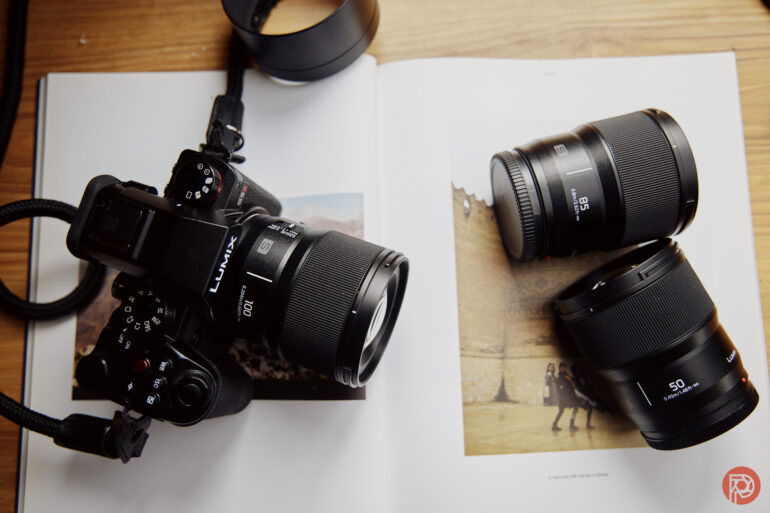
The L-Mount Alliance was originally formed by Leica, Sigma and Panasonic to create a lens system that works seamlessly across camera brands. Full-frame, L Mount bodies can use the lenses on this list no matter what brand they are from. (However, be aware that all three brands design other lenses and cameras outside the L-Mount. Panasonic’s Micro Four Thirds series aren’t compatible with the lenses below, neighter is the Leica M series. Additionally, Sigma also makes some of these lenses in both L Mount and Sony E Mount, so double check the listing before you make a purchase.)
While the Alliance means the lenses work the same, the brands each have slightly different naming patterns. The focal length and aperture is unviersal across all brands. But, on a Sigma lens, you’ll see Art to designate its high-end optics and Contemporary for more mid-tier. Leica takes from its long history and uses names from its past like Summicron to designate optics with an f2 aperture, along with other terms. Panasonic keeps it simple, with short-and-sweet lens names that typically just include Lumix, the focal length, and aperture.
All the lenses on this list are full-frame L-Mount lenses. Note, however, that Sigma makes lenses with the same design and name in other mounts, like Sony E-Mount, so you may notice some Sony bodies in the pictures below.
Sigma 14mm f1.4 Art

In our Sigma 14mm f1.4 Art review, we said:
“The Sigma 14mm f1.4 Art is the brightest 14mm full frame autofocus lens, but it’s also one of the heaviest. Still, the Sigma 14mm f1.4 Art is a thing of beauty. In a market where everyone seems to be copying everyone else, this lens offers the widest aperture on a full-frame, autofocus 14mm. In a market where technical superiority is placed on a pedestal, this lens can still add some character with beautiful flare and perspective distortion. And then, of course, there’s the bokeh boost of that wider aperture, which is further bolstered by the ability to focus a foot from the front of the lens.”
Sigma 17mm f4 Contemporary
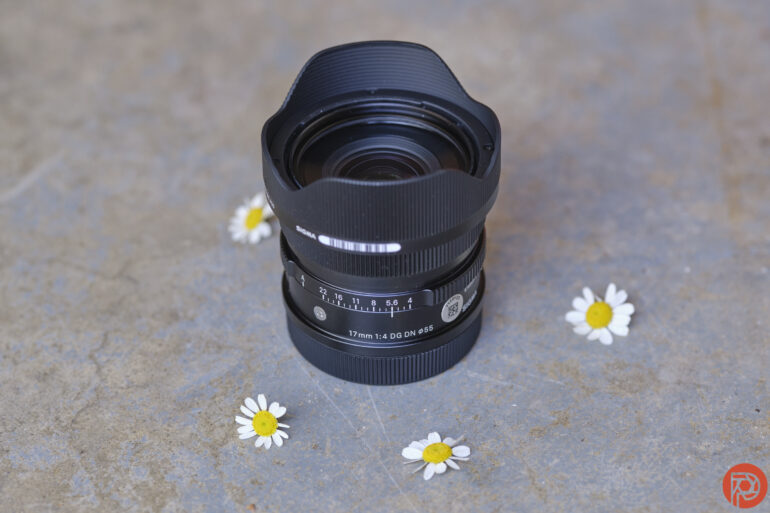
In our Sigma 17mm f4 Contemporary review, we state:
“The Sigma 17mm f4 Contemporary is a refreshingly quirky lens with an ideal balance between character and technical greatness. The wide view, close minimum focusing distance, flare, and colors work together to create photographs with character. The lens also has a nice metal construction and a classic look.”
Buy now: $599
Panasonic 18mm f1.8

In our Panasonic 18mm f1.8 review, we said:
“The Panasonic 18mm f1.8 is in a pretty special place. It’s a small, lightweight lens with full weather resistance, and it focuses incredibly fast. Beyond that, it delivered images that I wouldn’t have imagined otherwise. The bokeh reminds me of old Canon L lenses for EF mount cameras while also giving the look of 645 medium format wide angle primes. For that reason, I think a whole host of photographers could make this lens feel at home on their camera. It’s great for photowalking, food, landscapes, long exposures, and so much more.”
Buy now: $999
Sigma 20mm f1.4 DG DN Art

In our review, we said:
“There’s much to like about the Sigma 20mm f1.4 DG DN Art. It focuses closely, and this is where subjects pop against the beautiful bokeh. The only situation I’d ever really see myself needing to do that, though is with food photography. Most of the time, otherwise, you’ll want to shoot cityscapes, landscapes, astrophotography, and more. If you’re mating this lens to the Panasonic S5 II or Panasonic S5 with Live Composite set, you immediately see a unique benefit. Together, this combo is simply the best setup for astrophotography — and far better than stitching the photos together in Photoshop afterward. It’s also very weather-resistant, sharp, and affordable.”
Buy now: $899
Sigma 20mm f2 DG DN

In our Sigma 20mm f2 DG DN review, we said:
“The Sigma 20mm f2 DG DN is a beautifully built, metal, prime lens that’s fun to shoot with. The images are sharp with punchy colors and contrast, and relatively little distortion to complain about. The lens is technically great with a lot of sharpness, and it leaves a bit of room for character with some small flare and that 20mm perspective distortion. And, it is not terribly expensive.”
Buy now: $699
Panasonic Lumix 24mm f1.8
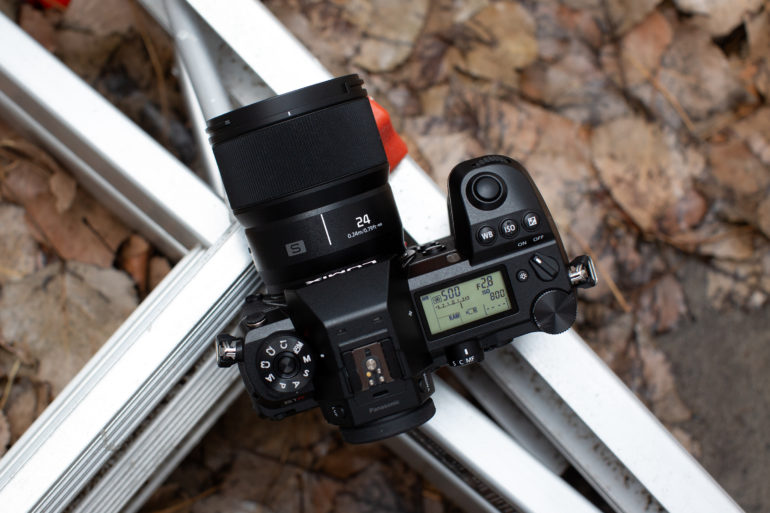
In our Panasonic 24mm f1.8 review, we said:
“The Panasonic Lumix S 24mm f1.8 lens has a lightweight, compact design that you can take with you anywhere. The versatile focal length is perfect for attaching to your camera and leaving it there for long periods of time. Unlike many YouTubers, I found there to be noticeable distortion at the edges of the frame. As someone who tries to get it right in-camera, this was disheartening. Even though it is annoying to either correct the heads and feet or shoot wide and crop in, I still think it’s a great lens. Does its performance justify the moderate price tag? We think so! Keep reading to find out why.”
Buy now: $899
Sigma 24mm f2 DG DN Contemporary

In our Sigma 24mm f2 review, we said:
“Pulling this lens out of the box, I was immediately impressed. Metal lenses, particularly those with a dedicated aperture ring, are my favorite optics to use. But, luxury builds don’t always translate to luxury photos. I spent two weeks with the Sigma 24mm f2. I’m drawn to the metal build and the almost non-existent barrel distortion, but there are a few quirks to contend with.”
Buy now: $639
Sigma 24mm f3.5 DG DN Contemporary
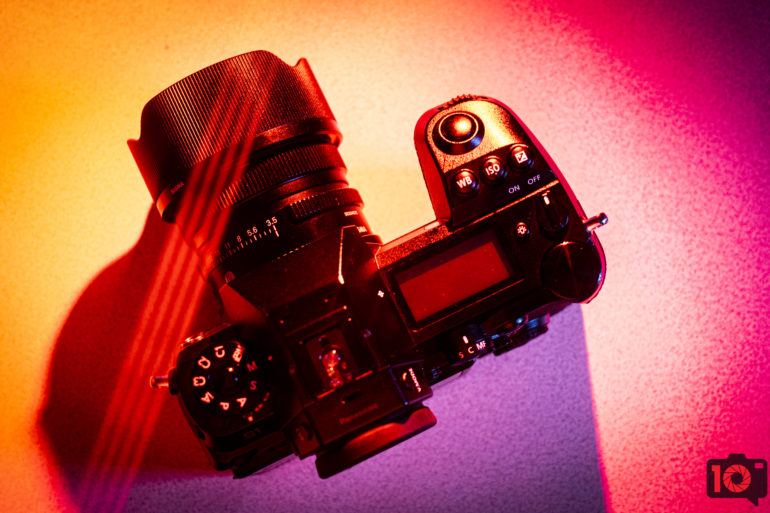
In our review, we state:
“The Sigma 24mm f3.5 DG DN Contemporary is a good lens. Overall, it’s not a bad product. Indeed, no one makes a bad product these days. But there’s nothing special about it that would make me reach for it. For L mount, it’s your only affordable wide-angle option at the moment. For the Sony E mount, you’ve got Tamron’s 24mm f2.8. Below is a quick informal comparison between the Tamron and the Sigma. The Sigma photo is below, and the Tamron is above. These weren’t even shot in similar conditions. Even if you pixel peeped, you probably wouldn’t see much difference. And Tamron offers full weather sealing.”
Buy Now: $549
Leica 28mm f2 Summicron SL

In our review, we state:
“This is a 28mm f2. It’s taken me a while to truly understand their pricing. But the deeper I dive, the more it makes sense. This is the only 28mm lens with six aspherical lens elements on the market. Plus, it’s weather-sealed to be in line with the IP-rated SL series cameras.”
Buy Now: $5,195
Sigma 30mm f1.4 DC DN Contemporary
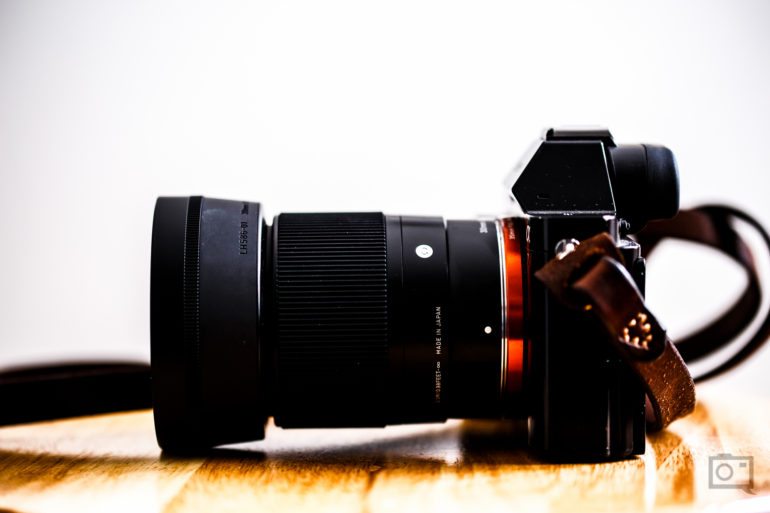
In our review, we said:
“The Sigma 30mm f1.4 DC DN lens is quite good overall. It feels nice in hand, focuses quickly and accurately most of the time, and doesn’t give you the more typically well known Sigma color rendition. Instead, they seem to have toned it down a bit here with this lens.”
Buy now: $308.69
Panasonic Lumix 35mm f1.8

In our Panasonic Lumix 35mm f1.8 review, we said:
“The Panasonic 35mm f1.8 S is a lightweight, weather-sealed lens that’s easy to bring along and simple to shoot with. The images have little distortion outside of a slight barrel bend and occasional colored fringing in extreme backlighting. That’s ideal for straightforward storytelling, but less so for building character.”
Buy now: $699
Leica 35mm f2 Summicron SL

In our Leica 35mm f2 SL review, we said:
“To be honest with you, I’m strongly considering buying the Leica 35mm f2 SL lens. That’s because it gives photographers everything that they’ve wanted from Leica for a while now. It combines Leica’s image quality with a small size, great durability, weather resistance, autofocus speed, and a fairly affordable price point for a Leica lens. During my period reviewing this lens, I didn’t ever want to take it off of my camera. It’s fantastic — and overall, it’s so good that I probably wouldn’t want to get the Q3 as an alternative.”
Buy Now: $2,195
Leica 35mm f2 Summicron SL APO
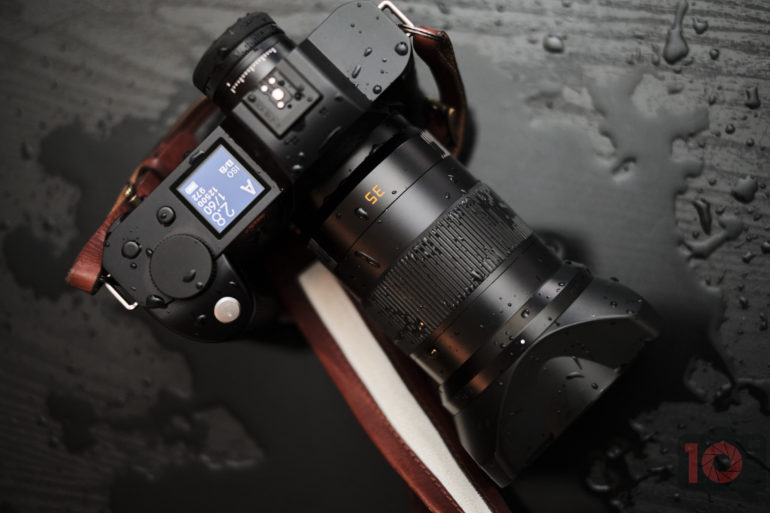
In our review, we state:
“If there’s anything that I’m sure of, it’s that the Leica 35mm f2 Summicron SL APO has fantastic image quality. Of course, we only tested it on 24MP sensors. To that end, I don’t feel like we got the most of the sharpness from this lens. However, that doesn’t mean that this is a bad lens at all. In fact, it’s probably just behind the Lumix S Pro 50mm f1.4 for sharpness.
Buy Now: $5,094.95
Sigma 35mm f2 DG DN Contemporary
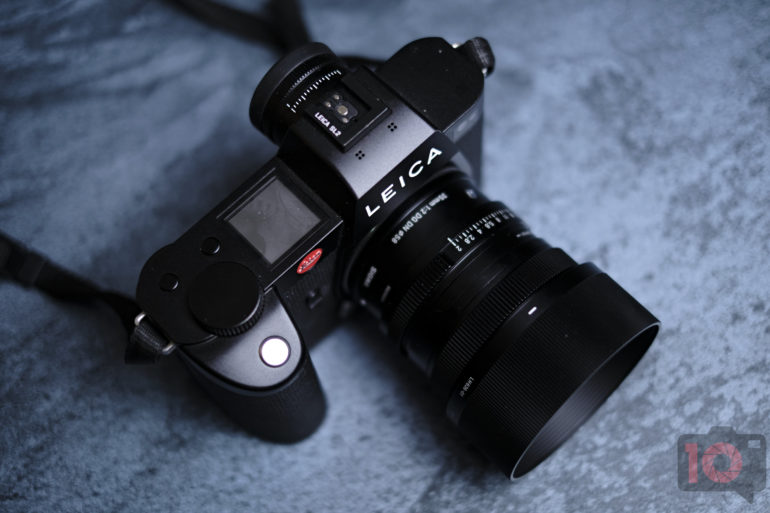
In our review, we said:
“The Sigma 35mm f2 DG DN Contemporary is part of the I series of Sigma lenses. As part of the company’s contemporary lineup, it’s not at all innovative. There are tons of 35mm f2 lenses on the market. And they’re all very good. But nothing really makes the Sigma stand out. Sony has a 35mm f1.8 with full weather sealing. Canon has a 35mm f1.8 with image stabilization and no weather sealing. Of course, Sigma isn’t making Rf mount glass yet. Nikon has a 35mm f1.8 that’s arguably about on par, but Sigma doesn’t support the Z mount. Tamron has a 35mm f2.8 with full weather sealing but at a full stop slower. And Leica has a 35mm f2 with a more innovative lens design but at more than 5x the price.”
Buy Now: $639
Sigma 35mm f1.2 Art DG DN

In our review, we said:
“In backlit situations with ample light outdoors, the Sigma 35mm f1.2 Art DG DN nails the focusing well. Here is where you’re not only able to appreciate the colors that the lens delivers but also the sharpness.”
Buy now: $1,499
Sigma 35mm f1.4 DG HSM
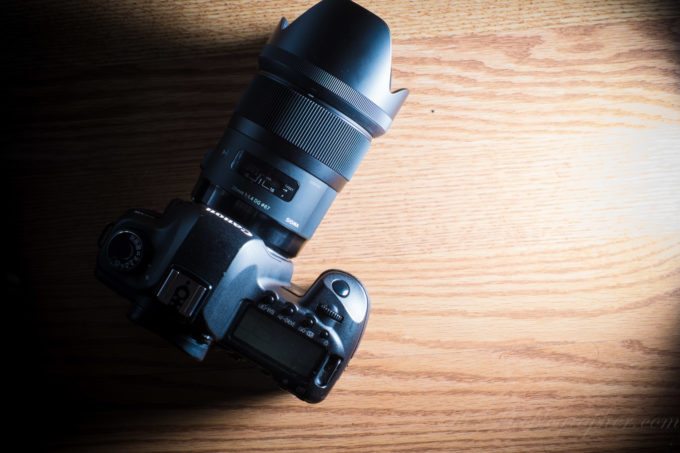
In our review, we said:
“Overall, we can’t really say anything very terrible about the Sigma 35mm f1.4 DG. Even though it doesn’t have weather sealing, there are options out there that can do this for you. Otherwise, it has a wonderful build quality, eye-popping image quality, and is a relative speed demon when it comes to focusing.”
Buy now: $799
Sigma 35mm f1.4 DG DN Art
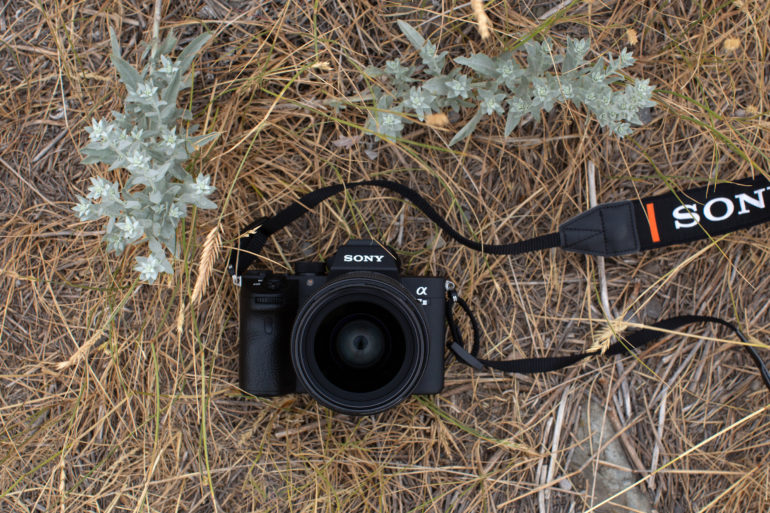
In our review, we said:
“Sigma states they have entirely revolutionized the 35 f1.4 Art lens and that it has been reborn for mirrorless. They have done a great job creating a lens for both photographers and cinematographers. In making a nearly technically perfect lens, they have made it almost impossible to achieve lens flare. Aberrations are barely noticeable and distortion is easily rectified. Most of the imperfections that provided the lens character of the first generation have been removed. Sigma has added an aperture control ring which can have the clicks turned on or off. They have also added an autofocus lock button that is customizable. This allows photographers to utilize the lens more akin to those found on older analog cameras. It is competitively priced at $899. But in the grand scheme of things, it’s still just a 35mm f1.4 lens.”
Buy Now: $849
Sigma 45mm f2.8 DG DN Contemporary
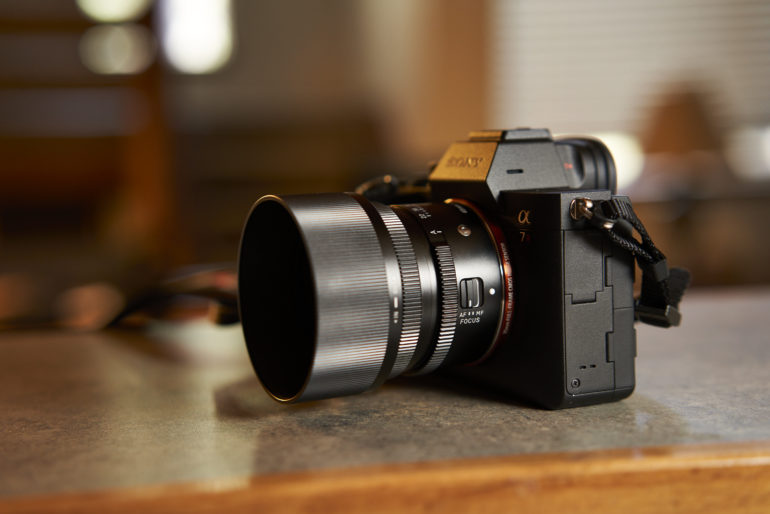
In our review, we said:
“Overall, the Sigma 45mm f2.8 DG DN Contemporary exhibits very good image quality. If you didn’t know any better, you’d say that this is easily the image quality that an Art or Sports lens in Sigma’s lineup would have.”
Buy now: $498.95
Leica SL 50mm f1.4 Summilux
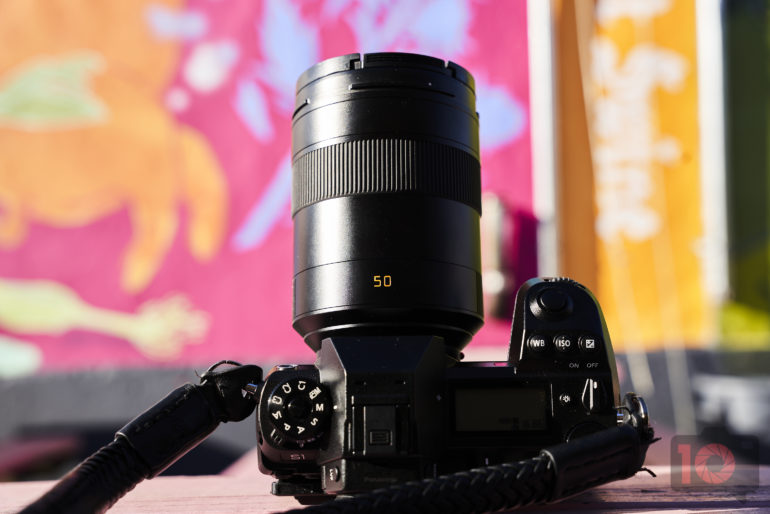
In our review, we said:
“The image quality from the Leica SL 50mm f1.4 Summilux is arguably the best thing about the lens. Despite its big and heavy build mixed with slow focusing, it’s got incredibly image quality. The bokeh is gorgeous. Further, we couldn’t find a single problem with fringing or distortion.”
Buy now: $5,189
Sigma 50mm f1.4 DG DN Art
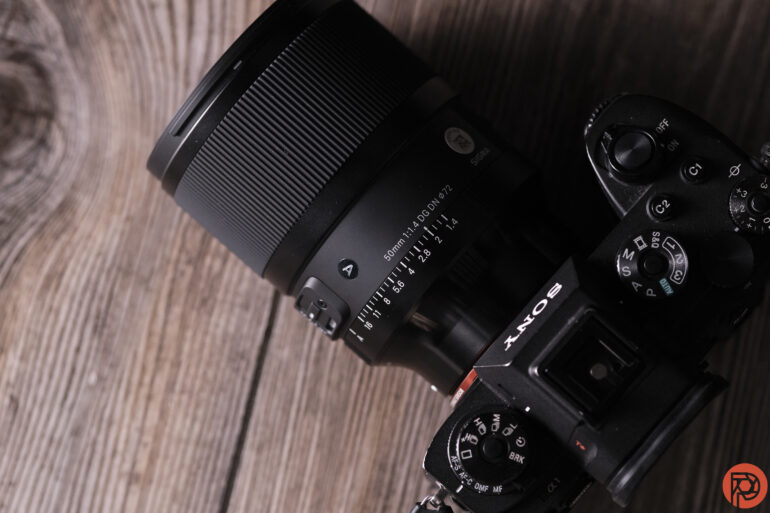
In our review, we said:
“The Sigma 50mm f1.4 DG DN Art has a lot going for it — it’s an affordable but bright prime lens that’s still fully weather sealed. The autofocus is snappy. The bright aperture delivers beautifully blurred backgrounds while most subjects remain sharp. The lens is also significantly cheaper than similar options from Sony and Panasonic.”
Buy now: $849
Leica SL 50mm f2 Summicron
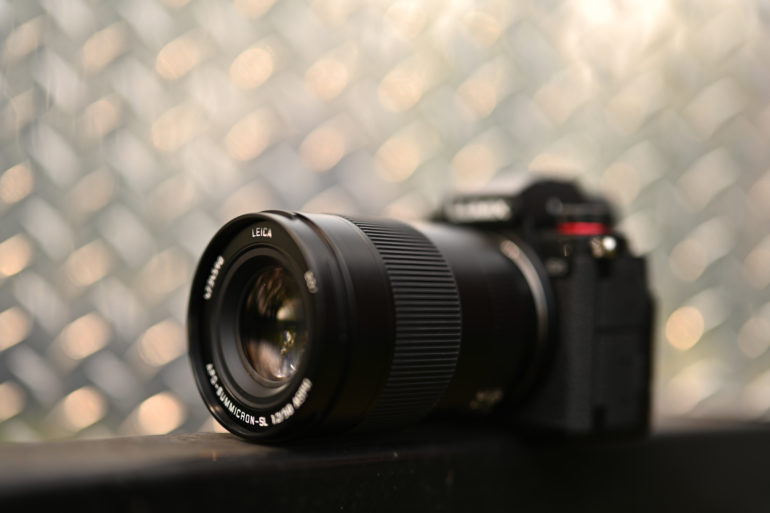
In our review, we state:
“The Leica SL 50mm f2 Summicron is a well-built, metal-body lens that’s both simple and beautiful to use. The images are spectacular, and they achieve a happy medium between eliminating distortion and eliminating character. But, it’s pricey and, like we noted with the f1.4 Summilux, the autofocus isn’t perfect.”
Buy Now: $5,095
Panasonic 50mm f1.8 S
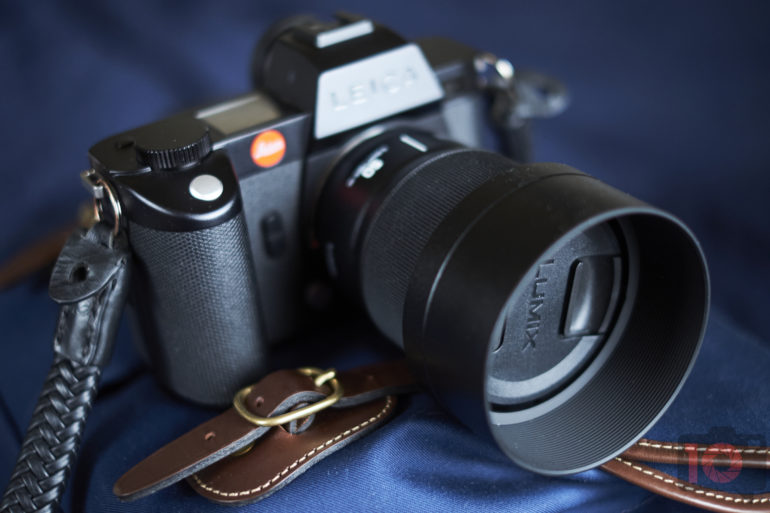
In our review, we state:
“While not necessarily innovative, Panasonic has made the first 50mm f1.8 under $500 that boasts weather sealing. Compared to the rest of the industry, there’s no compromise here. Sony’s 50mm f1.8 doesn’t have weather sealing and has a few issues. Canon’s doesn’t have weather sealing either. Nikon’s has weather sealing but is pricier. And Sigma and Leica don’t make a nifty 50. In the full-frame camera world, Panasonic is teaching the masterclass on the nifty 50.”
Buy Now: $448.15
Panasonic 50mm f1.4 Lumix S Pro

In our review, we said:
“The Panasonic 50mm f1.4 Lumix S Pro is a truly exceptional lens. It really delivers where it counts with image quality. This lens is not only very sharp but also delivers beautiful bokeh. Portrait photographers will appreciate the colors, as will wedding photographers and photojournalists. Those who travel will like the build quality.”
Buy now: $2,297.99
Sigma 56mm f1.4 DC DN Contemporary
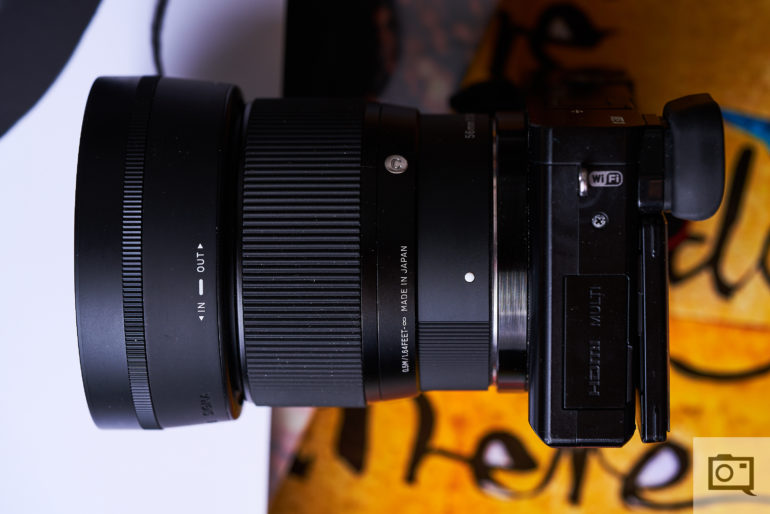
In our review, we said:
“In-focus areas are tack sharp while out of focus areas pack plenty of bokeh. Images produced by the Sigma 56mm f1.4 are consistently sharp in the center of the frame throughout the available aperture range (f1.4 to f16), with no significant loss in sharpness detected when moving towards the perimeter of the frame.”
Buy now: $449
Sigma 65mm f2 DG DN Contemporary
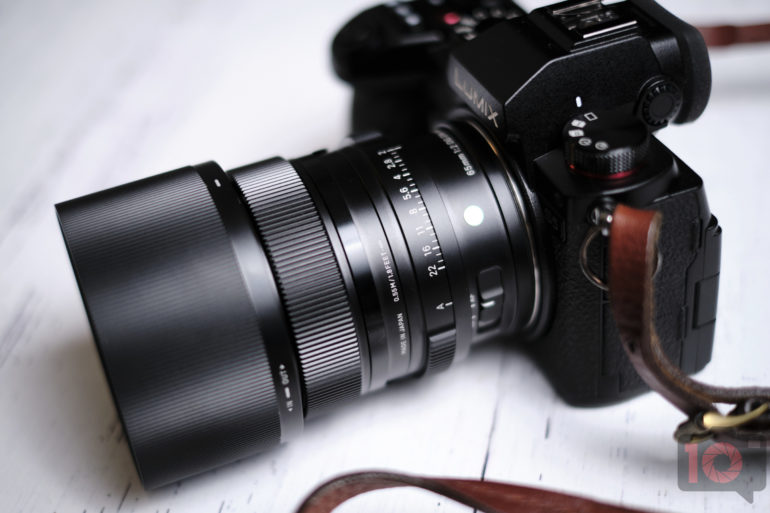
In our review, we said:
:The Sigma 65mm f2 DG DN Contemporary lens is around $699 and delivers clinically sterile image quality in a cinematic focal length. It lacks full weather sealing, and the autofocus is a bit hit or miss. But, if you get past all that, you’ll enjoy what is possible from this very sharp lens. Oh, it’s got some really nice bokeh too!”
Buy Now: $699
Leica 75mm f2 SL
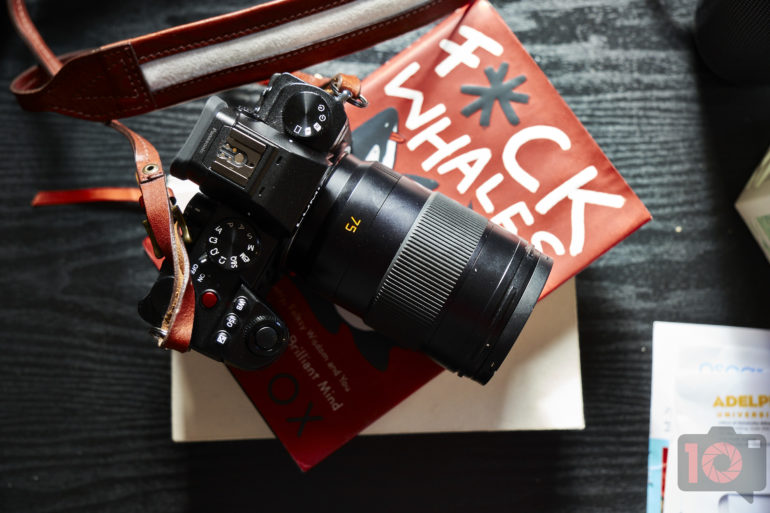
In our review, we state:
“The Leica 75mm f2 SL has SPECTACULAR image quality. Part of this is because of just how versatile this lens is. However, there’s a lot to really like about the Leica 75mm f2 SL. It’s got nice bokeh, is sharp, really beautiful colors, and there are no optical issues with it. Best of all, it’s an odd focal length. So, it means you’re working in a different way. But at the same time, it’s not that unusual of an optic.”
Buy Now: $5,395
Panasonic 85mm f1.8
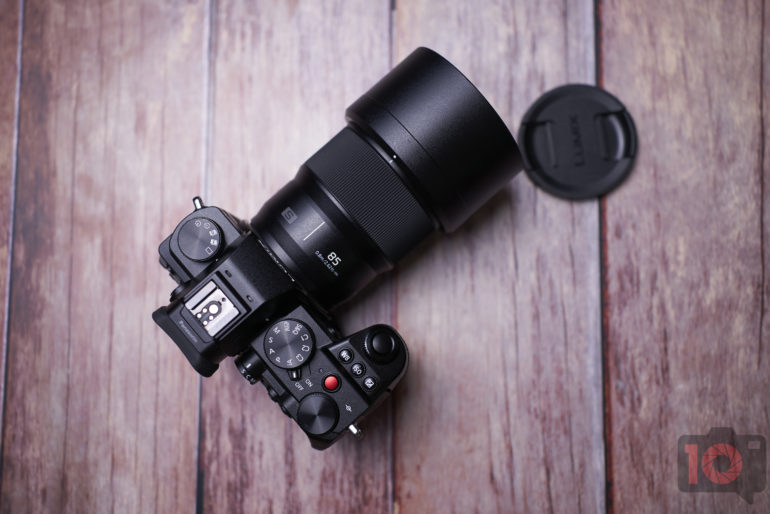
In our review, we state:
“The Panasonic 85mm f1.8 is a fantastic lens for the L-mount and exactly what it needed. It’s lightweight, weather-sealed, fast to focus, and delivers solid image quality. It’s also incredibly affordable, but a bit clinical for my personal tastes.”
Buy Now: $597.99
Sigma 85mm f1.4 DG DN Art
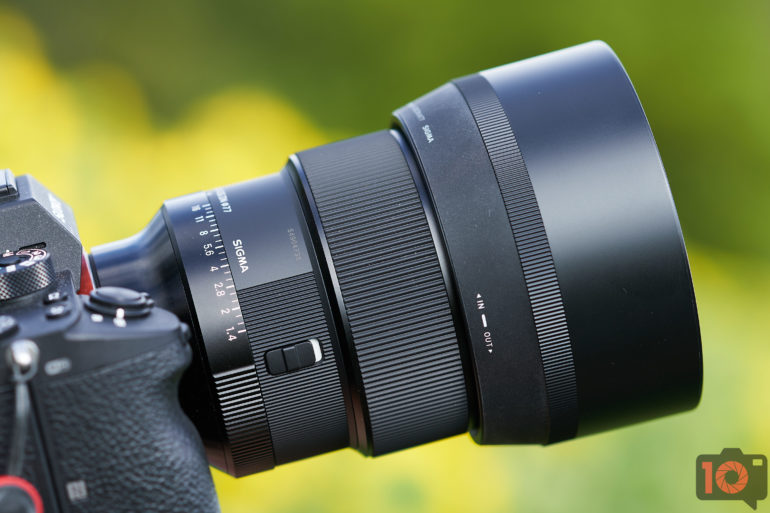
In our review, we said:
“The Sigma 85mm f1.4 DG DN Art offers tremendous value. It retains the excellent image quality of its predecessor while addressing many of its shortcomings: It’s smaller, lighter, and features markedly improved autofocus performance.”
Buy now: $1,199
Leica 90mm f2 SL
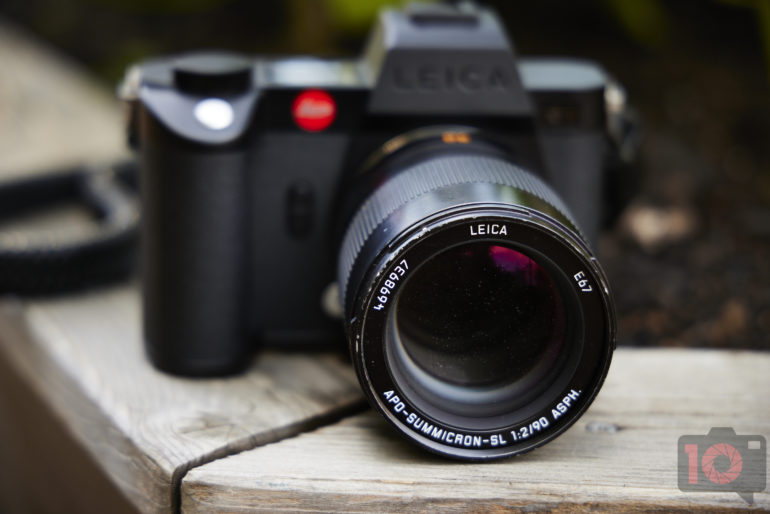
In our review, we state:
“The Leica 90mm f2 SL lens is a beautiful, well-built optic. While some of the SL lenses feel huge, this one is just right. It’s smaller than Sony’s 90mm f2.8 Macro G OSS. It’s weather-resistant and around the size of other 90mm lenses on the market. But it arguably has better image quality. Quite honestly, it’s hard to make a bad portrait with this lens. It’s one of those optics where everyone looks good with it.”
Buy Now: $5,794.99
Panasonic 100mm f2.8 Macro

In our Panasonic 100mm f2.8 macro review, we said:
“I can’t quite put into words how much of a breath of fresh air the new Panasonic 100mm f2.8 Macro lens is — also known as the Lumix 100mm f2.8 Macro. Several lenses on the market today aren’t bad at all, but they’re also not great. Eventually, all the flavors of mediocre blend together like the most generic red velvet cakes you can buy in the span of a one-mile walk. But this is something special. The Panasonic 100mm f2.8 Macro lens is the smallest 100mm f2.8 Macro with autofocus, weather resistance, and a 1:1 magnification ability. It’s a lens that’s also so small that you wouldn’t ever mind carrying it with you everywhere you go. That’s also because it’s more or less the same size as the rest of the Lumix S prime lenses.”
Sigma 105mm f2.8 DG DN Macro Art

In our review, we state:
“Image stabilization could help this lens a lot in low light. The cameras are competent for sure. But the addition of lens-based stabilization would have put it over the top.”
Buy Now: $795
Sigma 14-24mm f2.8 DG DN Art
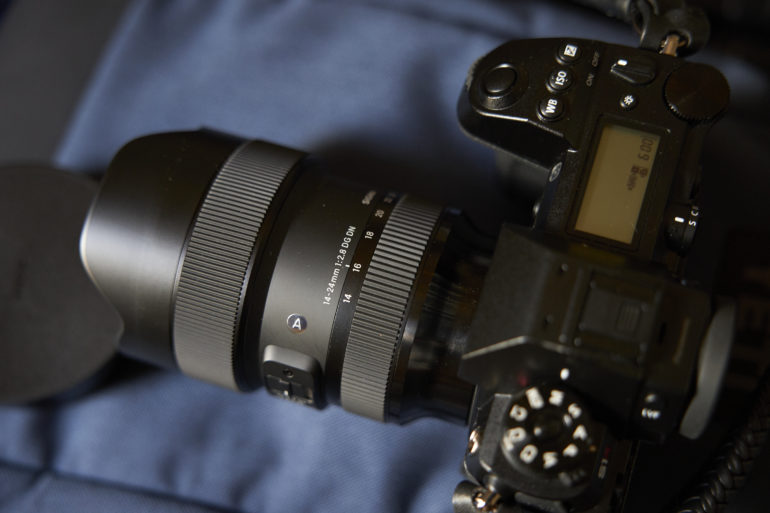
In our review, we said:
“The Sigma 14-24mm f2.8 DG DN Art creates vivid images. We found this across both Panasonic and Leica’s cameras. The market Sigma is targeting with this lens cares about that. The saturated colors will look just as good in the rain and they will when shooting a landscape.”
Buy now: $1,299
Sigma 16-28 f2.8 Contemporary
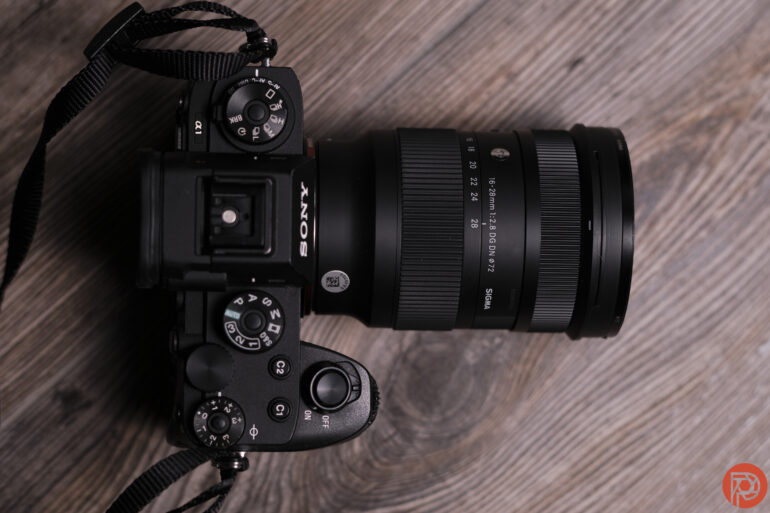
In our Sigma 16-28mm f2.8 Contemporary review, we said:
“Photographers looking for a lightweight and affordable ultra-wide, take note. The Sigma 16-28mm f2.8 DG DN is less than half the cost of the Sony 16-35mm f2.8 GM, and it’s still less than the Sony 16-35mm f4 and Panasonic S Pro 16-35mm f4. While the third-party lens is easier on the budget, the lens mixes solid sharpness with whimsical wide-angle character and realistic colors. As an ultra-wide, the focus keeps up with fast subjects.”
Buy now: $899
Leica 16-35mm f3.5-4.5 SL
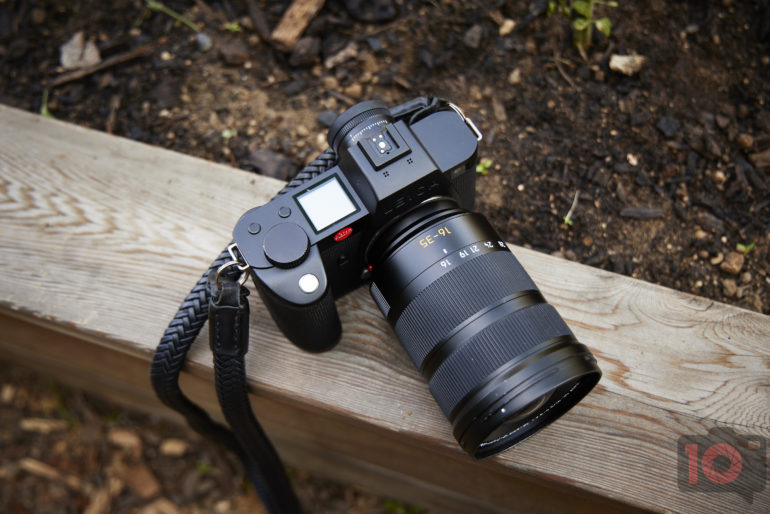
In this review, we state:
“The Leica 16-35mm f3.5-4.5 SL is a fantastic lens with a ton of character and versatility. It’s weather-resistant, focuses pretty fast, and simply works. But it’s kind of heavy. To be fair, I also don’t like a lot of zoom lenses. However, Leica did their best to make this one feel like a prime. And ultimately, it does. I also wish it had a constant aperture, but I’ll gladly sacrifice that for durability.”
Buy Now: $6,294.99
Panasonic 16-35mm f4 PRO
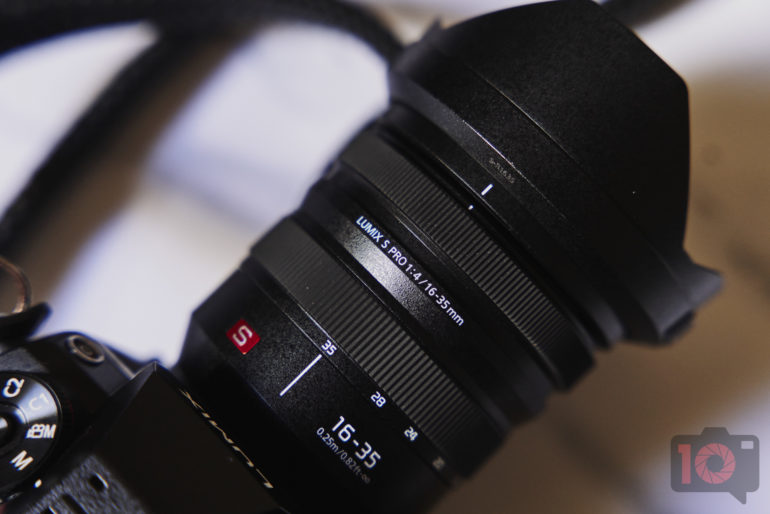
In our review, we said:
“In regard to the images this lens creates, it’s positively stellar. There’s less distortion than what I’ve seen with Sigma’s offering, and I find it challenging to take a bad photo with this lens. Landscape and cityscape photographers will thoroughly enjoy it. What they’ll appreciate the most is the sharpness mixed with the convenient size.”
Buy now: $1,497.99
Panasonic LUMIX S 20-60mm F3.5-5.6
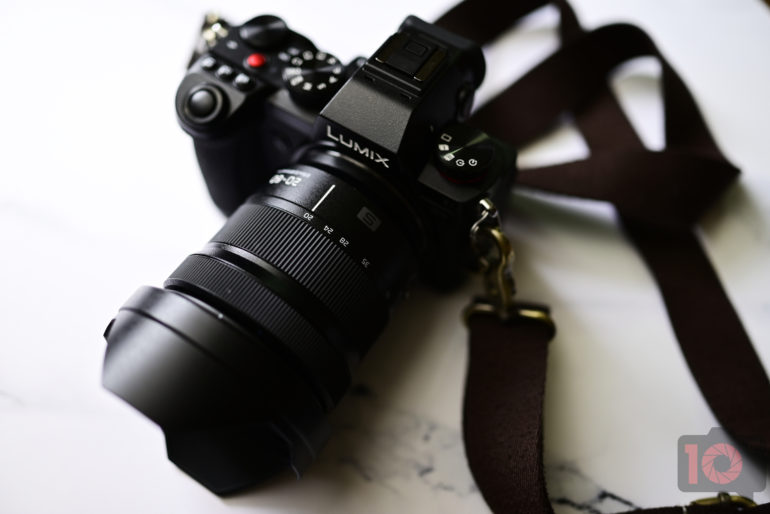
In our review, we state:
“None of these focal lengths are telephotos. With that said, the autofocus from this lens is pretty fast. The Panasonic S5 is probably the company’s fastest focusing camera. But it’s still just a bit behind Nikon with autofocus overall. So for an L mount lens, expect this one to be quick. Of course, that will also depend on what camera it’s on.”
Buy Now: $597
Leica 24-70mm f2.8 SL

In our review, we state:
“The Leica 24-70mm f2.8 SL is a Leica branded lens with Sigma’s optics. Optically speaking, Leica isn’t innovating at all here. But where the innovations come in is with the performance and build quality. Leica gave the lens an all-metal body and minimally increased the weight. They also boosted the autofocus performance. Basically, they innovated on and improved Sigma’s lens. But otherwise, this is a 24-70mm f2.8 lens through and through. They haven’t reinvented the wheel at all.”
Buy Now: $2,792
Panasonic 24-70mm f2.8 LUMIX Pro
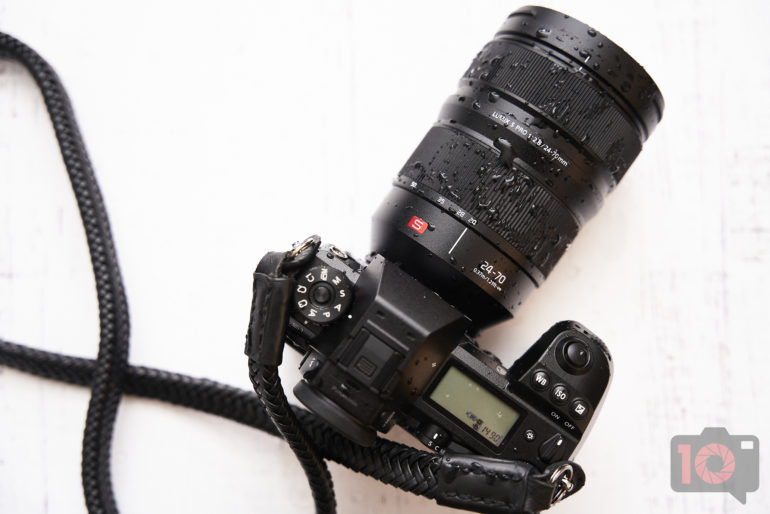
In our review, we said:
“The Panasonic 24-70mm f2.8 LUMIX Pro delivers beautiful images once it gets a subject in focus. Not only is it sharp from edge to edge, but the bokeh is gorgeous.”
Buy now: $2,197.99
Sigma 24-70mm f2.8 DG DN Art
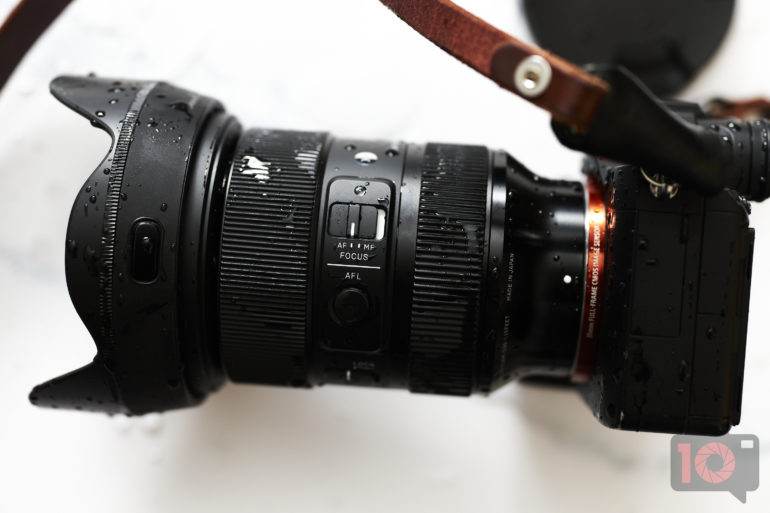
In our review, we said:
“You’re getting a whole lot with the Sigma 24-70mm f2.8 DG DN Art in terms of build quality and image quality.”
Buy now: $1,099
Leica SL 24-90mm f2.8-4
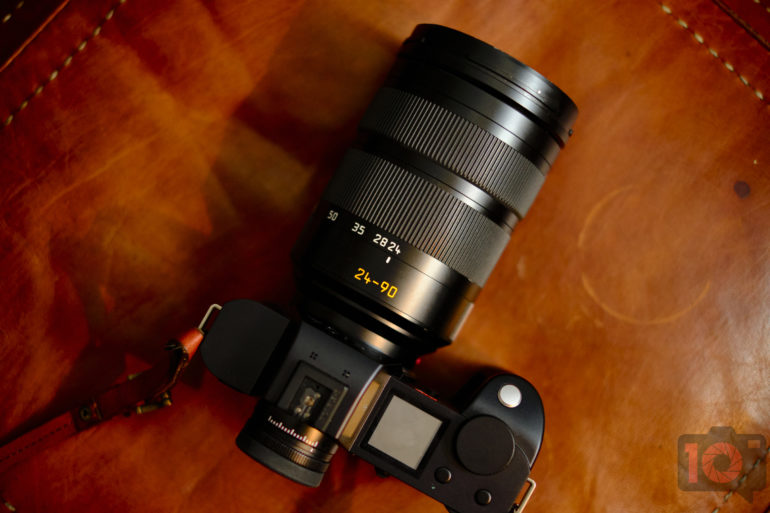
In our review, we said:
“One of the reasons you pay for a Leica is that they don’t play around with build quality. Leica went ahead and IP rated their cameras, but not their lenses. However, the Leica SL 24-90mm f2.8-4 is very weather sealed. We’ve taken it out into the rain, snow, and other conditions. The lens kept working: this is a very reliable lens.”
Buy Now: $5,495
Panasonic Lumix S 24-105mm f4 Macro OIS
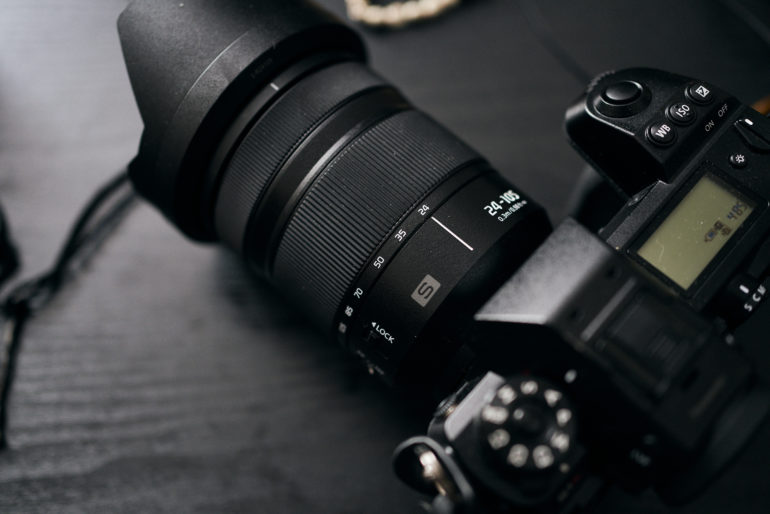
In our review, we said:
“This lens outputs sharp images, has decent autofocus, great build quality, is very lightweight, and is the best 24-105mm lens overall that I’ve tested.”
Buy now: $1,297.99
Sigma 28-70mm f2.8 Contemporary
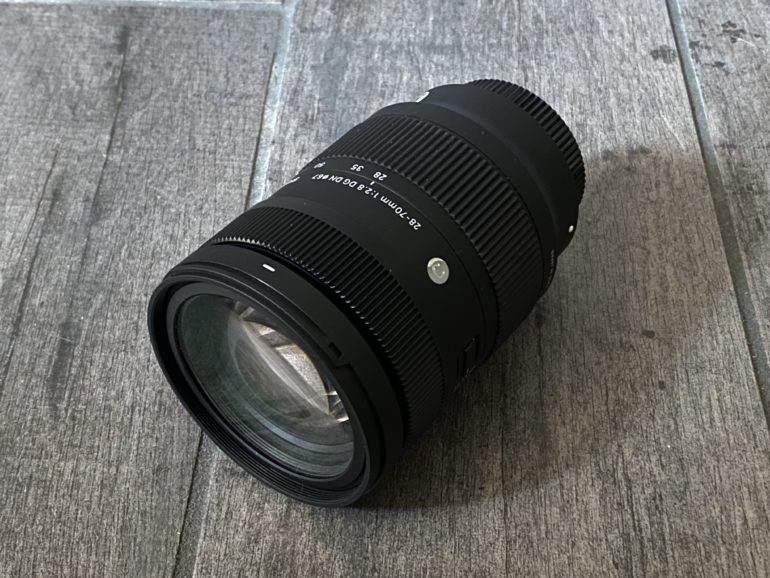
In our review, we state:
“Is taking 4mm off the focal length of a traditional lens innovative? I don’t know, but the size of this lens still feels like a step in the right direction. It’s less than two ounces shy of being a whole pound lighter than the Sony 24-70mm f2.8 G Master lens. However, also keep in mind that the Sony G Master lens is fully weather-sealed.”
Buy Now: $899
Panasonic 70-200mm f2.8 Lumix S Pro
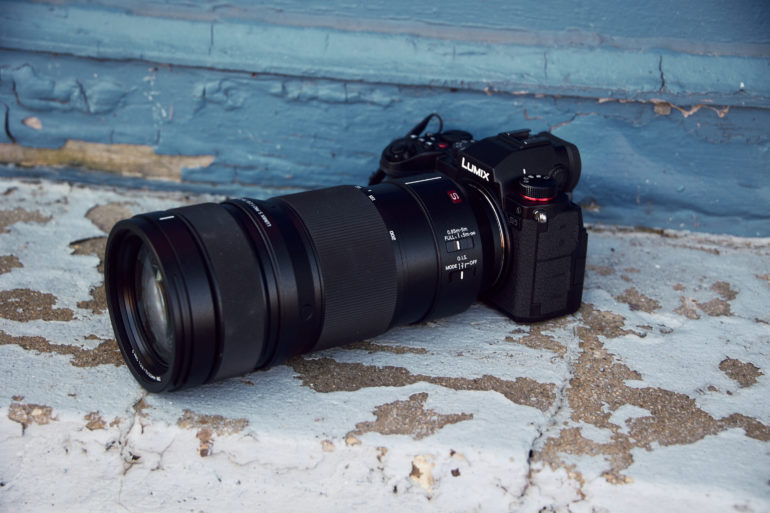
In our review, we state:
“The 70-200mm f2.8 is a popular workhorse. The most notable feature on Panasonic’s take on this popular focal length zoom is the stabilization. Paired with IBIS, it gets up to seven stops of stabilization. I shot at 1/2.5 at 200mm and the image is actually useable. That’s even more than Canon does with the Canon EOS R5 and the Canon EOS R6 with their own variant.”
Buy Now: $2,597.99
Panasonic 70-200mm f4 OIS Lumix S Pro

In our review, we said:
“For the type of work that the Panasonic 70-200mm f4 OIS Lumix S Pro is designed for, I’m very impressed. Not only is it sharp, but the bokeh is very creamy. Additionally, the colors are very true to life.”
Buy now: $2,597.99
Leica 90-280mm f2.8-4 SL
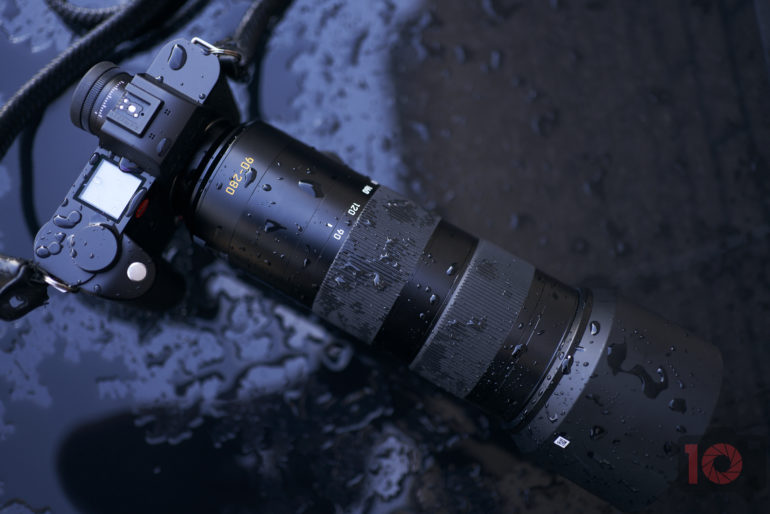
In our Leica 90-280mm f2.8-4 SL review, we said:
“The Leica 90-280mm f2.8-f4 SL is a big, heavy lens that’s pretty capable of doing everything except fast-moving sports photography. It boasts beautiful image quality and a very hefty price tag as well. For what it is, it’s a great lens. It’s very useful. But I’m still trying to wrap my head around who the buyer for this lens actually is.”
Buy now: $5,584
Sigma 100-400mm f5-6.3 DG DN OS Contemporary
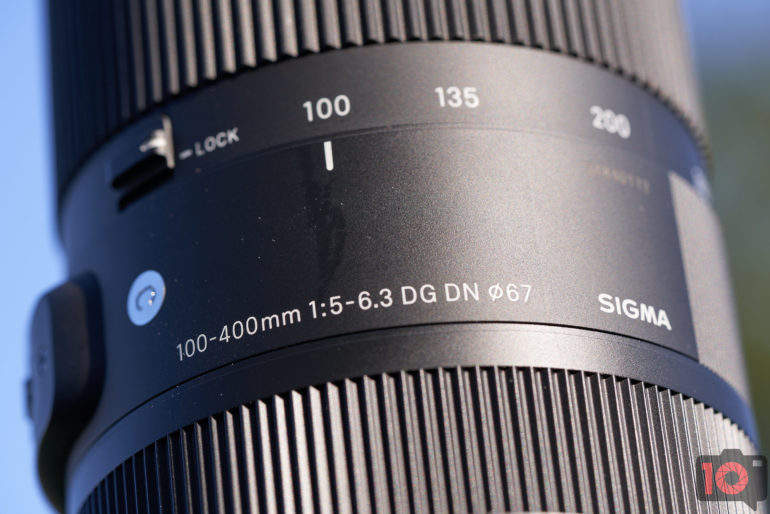
In our review, we state:
“The Sigma 100-400mm f5-6.3’s autofocus is accurate and precise if there’s sufficient light available. It’s slightly slower compared to Sony’s 100-400mm f4.5-5.6 G Master. Understandable given the Sigma’s dimmer maximum apertures. It’s compatible with all the advanced focusing modes on the Sony A7R IV. This made tracking birds and cyclists easy. For the best results, remember to take advantage of the Focus Range Limiter. Below are a few autofocus tracking examples.”
Buy Now: $949
Leica 100-400mm f5-6.3 SL

In our Leica 100-400mm f5-6.3 SL review, we said:
“The Leica 100-400mm f5-6.3 SL is a lens that seems to be very much like the Sigma variant. In fact, we’re very sure that it is as Leica has rebranded Sigma lenses in the past — though they’ve arguably made improvements to them. With that said, our Leica 100-400mm f5-6.3 SL findings are very similar to our Sigma review. In fact, this lens even improves on many of the problems that the Sigma lens runs into. The Leica variant focuses fairly well in low light — but it still falls behind Canon and Sony while sharing some of their same problems. It’s also fully weather resistant. If you consider this, then the $2,195 price point isn’t all that bad.”
Sigma 150-600mm f5-6.3 DG DN
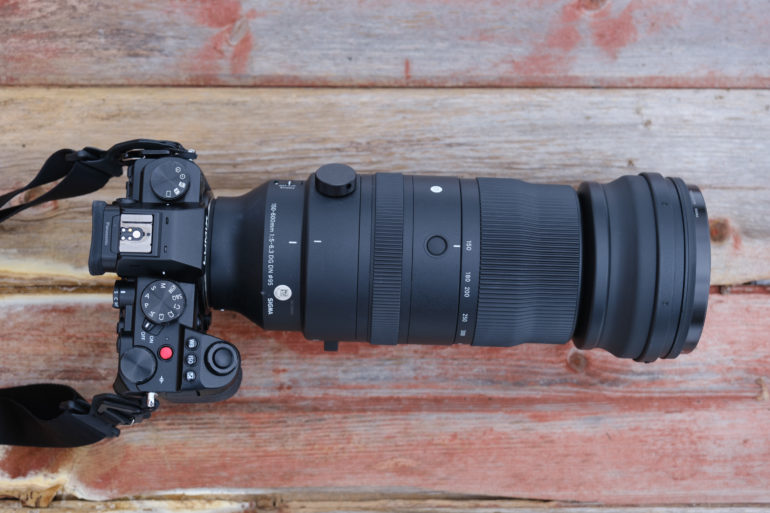
In our Sigma 150-600mm review, we said:
“The Sigma 150-600mm is a bit of a mixed bag — but, on L-mount, it’s rare enough that it’s worth considering for that huge reach. The images are excellent, with that ultra-telephoto compression and bokeh, solid sharpness, and little aberration. While heavy, it’s lighter than similar competing lenses and the weather-sealing survived a snowstorm.”
Buy now: $1,499
Why You Should Trust Us
The Phoblographer has been doing real-world photography gear tests longer than any other photography publication currently run. We also have the largest database of real-world lens reviews, amongst other things like straps, camera bags, lights, accessories, and more. Here’s why that matters:
We Block AI Bots: The Phoblographer blocks indexing bots from reading our site, so what’s here can only be read here.
AI Can’t Do This Job: These days, other publications do roundups, sometimes using generative AI. That’s the same as a person researching products and then making a decision without actually trying it. All of our reviews and guides are written not just by humans but by working photographers — not AI. Computers don’t use cameras, so why would you trust AI to recommend cameras for you?
Research and Practical Experience: Here at the Phoblographer, humans consult on what roundups to do with guidance from an editor. Then, a human goes through our database of reviews and selects the best products based on our own internal research. The human creating the roundup has practical experience with photography gear and will apply their knowledge of what’s best to the already human-based experience provided in our reviews.
How We Test Lenses at The Phoblographer
- The Phoblographer’s various product round-up features are done in-house. Our philosophy is simple: you wouldn’t get a Wagyu beef steak review from a lifelong vegetarian. And you wouldn’t get photography advice from someone who doesn’t touch the product. We only recommend gear we’ve fully reviewed in these roundups.
- If you’re wondering why your favorite product didn’t make the cut, there’s a chance it’s on another list. If we haven’t reviewed it, we won’t recommend it. This method keeps our lists packed with industry-leading knowledge. Some of our stories include affiliate links. If you buy something through one of these links, we may earn an affiliate commission.
- When we test lenses, we’ve got various things in mind. First off, we consider who might want to buy the lens and what they might do with it. With that in mind, we try to tackle at least three genres of photography with that lens in a variety of situations. If the lens has weather resistance, then we’ll test it accordingly with a weather-resistant camera. We also test the autofocus of the lens in continuous mode, single mode, with exposure preview effects, without those effects, and then with all the major image quality parameters. These days, no one really makes a bad lens — but some are far better than others.