


Last Updated on 08/28/2024 by Chris Gampat
One of the best features of Nikon’s mirrorless cameras aren’t the cameras at all, but the lenses. Nikon offers a range of Z Mount lenses and more often than not, the Nikkor optics deliver a mix of beautiful sharpness and bokeh. The Reviews team at The Phoblographer has tested a majority of Nikon’s mirrorless lenses, from budget models to yes, even that $15,000 telephoto optic. In this guide, you’ll find all of our Nikon Z mount lens reviews in one place so that you can get the information you need in a hurry.
Nikon has been steadily adding lenses to their mirrorless lineup, now featuring a range of options that includes go-to favorites like the 24-70mm as well as specialty lenses like a 105mm macro. While not quite as extensive as the longstanding DSLR lens lineup, most photographers will find an excellent Z lens for what they want to shoot here.
Table of Contents
A Guide to Nikon’s Lens Names and Terminiology

The world of camera lenses is an alphabet soup of different abbreviations that can feel confusing for new photographers. But, for long-standing fans, those letters tell a lot about the lens in just a glance. When picking out a lens for the Nikon Z mirrorless system, pay attention to these key abbreviations:
- Z: Lenses with a Z in the name are mirrorless Z Mount lenses. You can’t use them on a DSLR, but you don’t need an adapter to use them on a Nikon Z mirrorless camera.
- DX: If you use a full-frame body, be aware of Nikon lenses with a DX in the name. DX lenses are made for crop-sensor cameras, like the Nikon Zfc. While full-frame lenses can be used on crop sensor cameras, using a DX lens on a full-frame camera crops the image, making DX lenses a bad investment for pairing with a full-frame body.
- VR: This stands for vibration reduction. It means that image stabilization is built into the lens, so you should be able to use slower shutter speeds with less handshake.
- S: Nikon’s S series are high-end optics. A lens with the S in the name tends to have features like excellent sharpness and weather-sealing.
- MC: This designates a macro lens that is capable of focusing up close.
Nikon Z 14-24mm f2.8 S

In our review, we state:
It’s one of the first Nikon Z lenses that has made me say wow. You’ll find that this lens is crazy sharp. It controls chromatic aberrations and flares very well. The colors the lens renders are natural, which will delight landscape photographers. You can even create some nice, and at times, incredibly interesting bokeh with the NIKKOR 14-24mm f2.8 S.
Buy Now: $2,396.95
Nikon NIKKOR Z 14-30mm F4 S
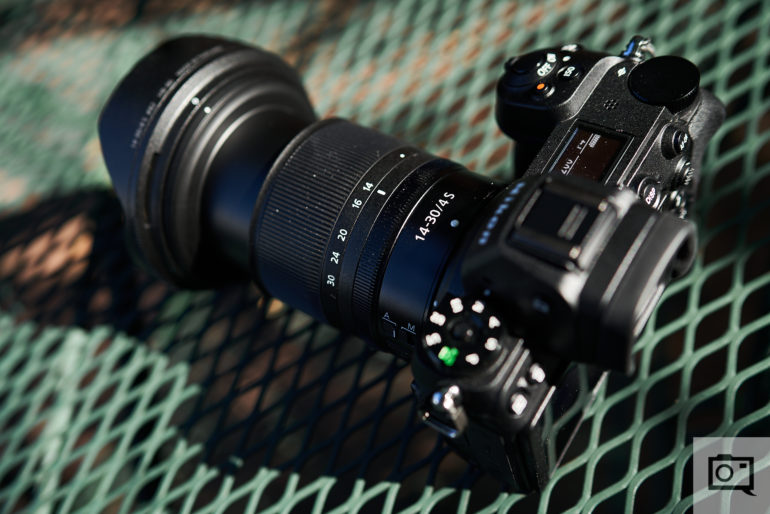
In our review, we said:
“The 14-30mm f4 S for Nikon Z cameras produces remarkable images with outstanding sharpness and little to no distracting aberrations. It’s constructed to withstand the elements while maintaining a diminutive footprint.”
Buy now: $1,296.95
Nikon Z 17-28mm f2.8
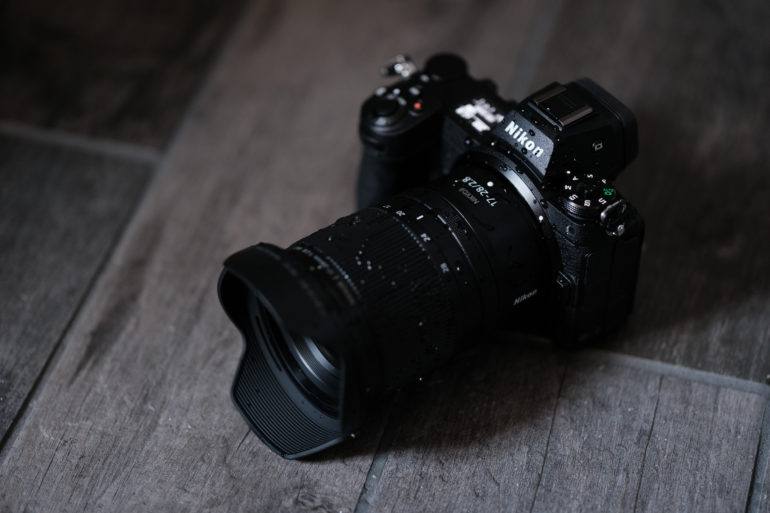
In our Nikon Z 17-28mm f2.8 review, we said:
The Nikon Z 17-28mm f2.8 is a versatile ultra-wide zoom with a wide aperture. The 17mm creates that feeling of large, wide-open spaces, while the 28mm creates a bit more natural point of view. Angle this lens just right and you can get lovely flare. The lens is lightweight and capable of handling light rain. Of course, one of the biggest perks is that this lens costs $1,100 less than the 14-24mm f2.8 S.
Buy Now: $1,196
Nikon Z 20mm f1.8 S

In our Nikon Z 20mm f1.8 S review, we said:
The Nikon 20mm f1.8 is arguably one of the best wide-angle lenses for the Z mount system. The image quality is spectacular. Photos are tack sharp, barrel distortion is minimal, and bokeh is soft and round. Even the autofocus performance is a little better than some other Z lenses. The sharpness, colors, and even the design of the lens itself is quite similar to the Nikon Z 24mm f1.8 S, but the 20mm does a better job keeping lines straight.
Buy Now: $1,050
Nikon Z 24mm F1.8 S
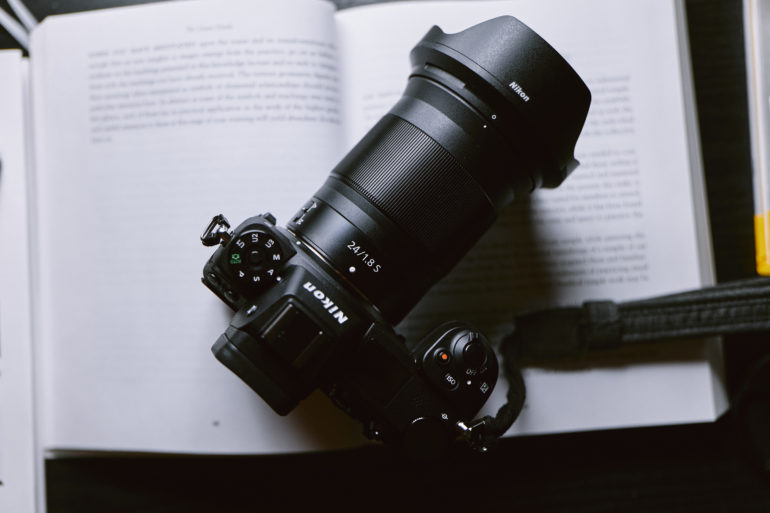
In our review, we said:
The Nikon 24mm f1.8 Z is a great lens. Not only can it handle a lot of rain, but it’s got great image quality. We found it to be sharp with excellent colors and bokeh to boot. It’s also lightweight, so you’ll never want to take it off the camera.
Buy now: $996.95
NIKKOR Z 24-70mm F4 S
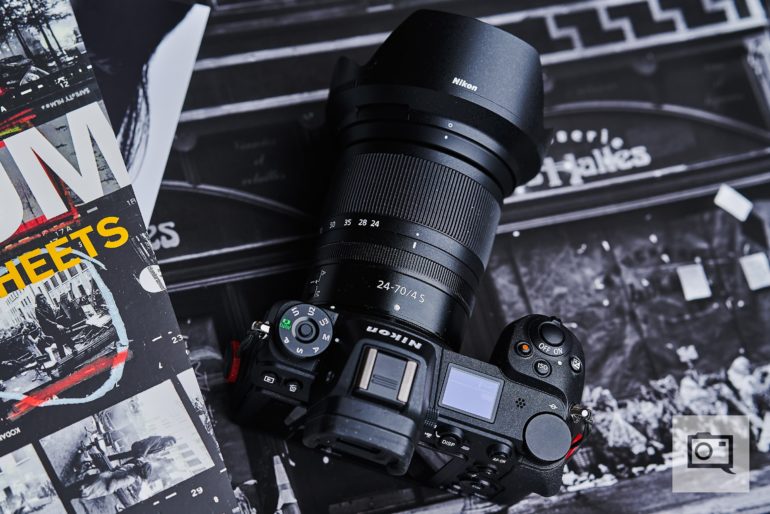
In our review, we said:
“The Nikon NIKKOR Z 24-70mm f4 S covers a popular zoom range and will do a fine job as a walk around lens thanks to its compact size.”
Buy now: $996.95
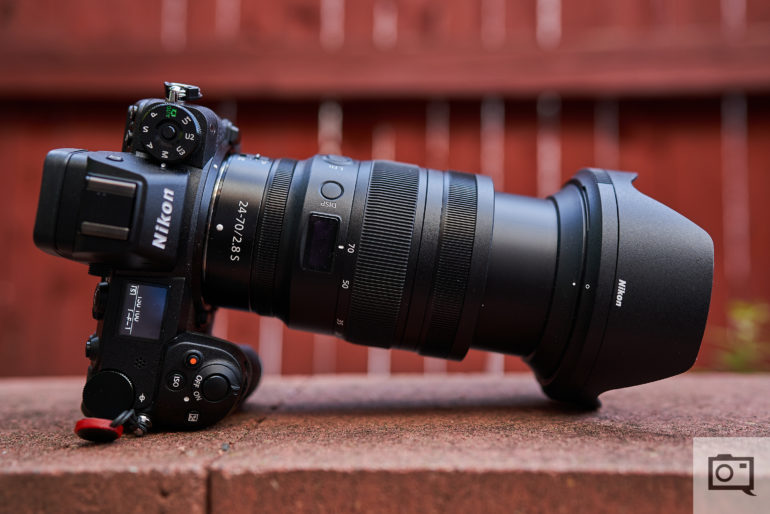
NIKKOR Z 24-70mm F2.8 S
In our review, we said:
“The Nikon NIKKOR Z 24-70 f2.8 S’s hefty price is further justified by the lens’ ability to produce vibrant yet color-accurate images. The consistent sharpness throughout its focal range, and its ability to minimize chromatic aberrations and distortions. For many photographers who have made the switch to Nikon’s mirrorless Z mount, their wait for a fast and reliable workhorse zoom lens is finally over.”
Buy now: $2,296.95
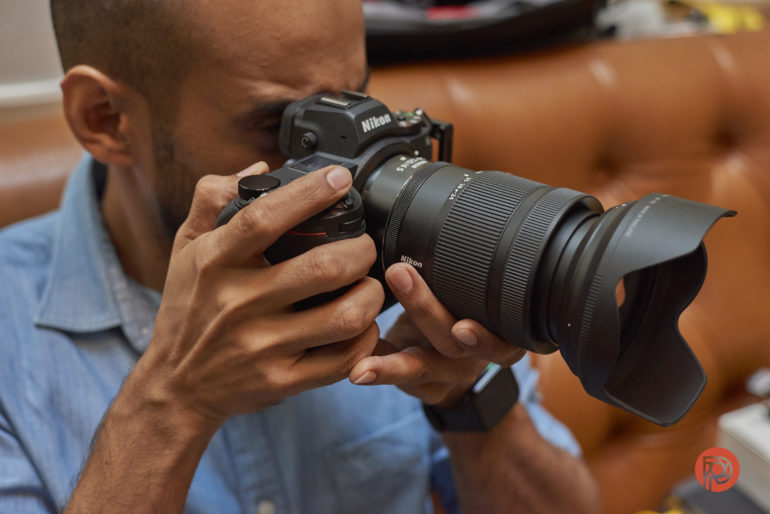
Nikon Z 24-120mm f4 S
In our Nikon Z 24-120mm f4 S review, we said:
This lens takes first priority in my kit when I want to keep my bag light. Be it street photography or event coverage, I toss this in my camera bag with a speedlight, and I’m good to go. In the past, I’d take along a 105mm or 70-200mm for extra reach because 70mm wasn’t enough. Leaving these extra lenses at home has been an enjoyable experience when doing corporate shoots over four hours long.
Buy Now: $1,096
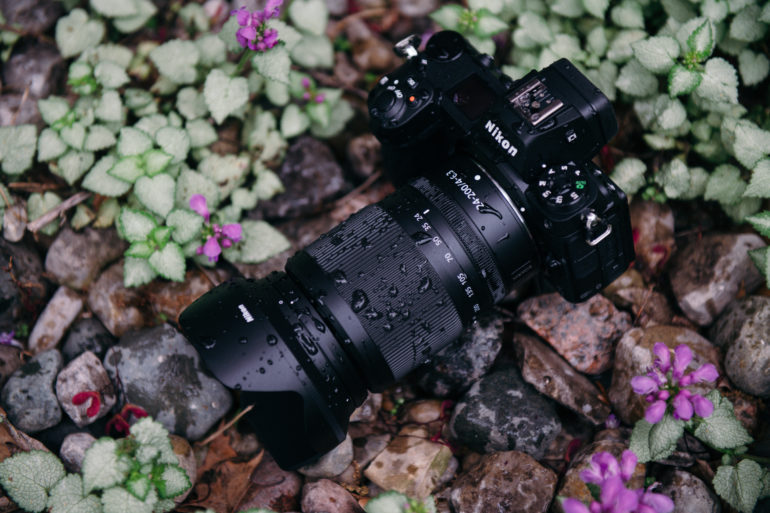
Nikon Z 24-200mm f4-6.3 VR
In our review, we state:
As an f4-6.3, the aperture isn’t crazy wide. As a result, most of the bokeh is created from the telephoto end or getting in close to the subject. Still, when you get those bokeh balls, they are soft and without onion ringing. Most appear circular, though sometimes a few spots would have a slight octagon look to them. At 200mm, backgrounds can be nicely blurred, giving the subject some good pop.
Buy Now: $896.95
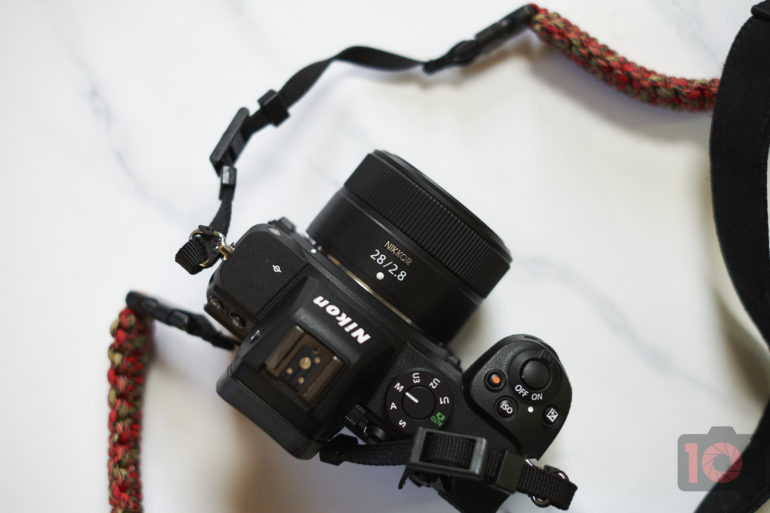
Nikon Z 28mm f2.8
In our Nikon Z 28mm f2.8 review, we said:
What the Nikon Z 28mm f2.8 lacks in autofocus performance it makes up for with colors. Along with the Nikon 40mm f2 that shares a similar build, this lens has some seriously gorgeous color. It’s also weather resistant. If you can get around the autofocus issues, you’ll find yourself very happy with this lens. And yes, the colors are that awesome; the render reminds me of the old Nikon D700.
Buy Now: $276
Nikon Z 28-75mm f2.8
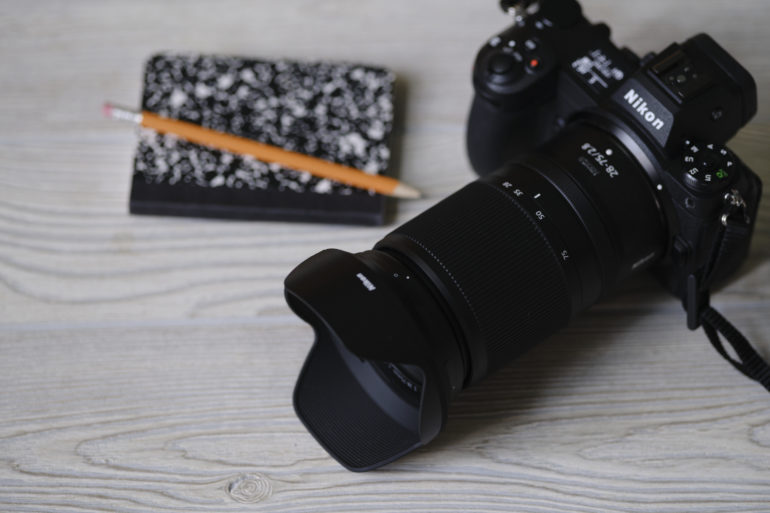
In our Nikon Z 28-75mm f2.8 review, we stated:
The Nikon Z 28-75mm f2.8 lens is an affordable, lightweight zoom that offers the bright aperture of much pricier lenses. However, it lacks the edge sharpness of Nikon’s S series lenses and it struggles with aberration. It’s a lens for hobbyists to consider, but pros who prefer the added reach on the end may want the Nikon Z 24-70mm f2.8 S instead.
Buy Now: $996
Nikon NIKKOR Z 35mm F1.8 S
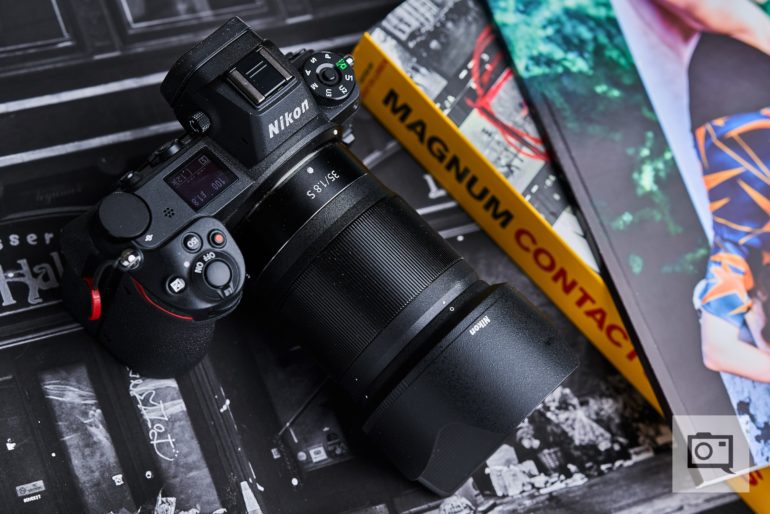
In our review, we said:
“Overall, we found the image quality of the lens to be damn good. It’s sharp, has creamy bokeh, and doesn’t really give you any sort of issues when it comes to the image quality. Couple this with the lens being very compact and you’ve got a great product.”
Buy now: $846.95
Nikon Z 35mm f1.4

In our Nikon Z 35mm f1.4 review, we said:
While the Nikon 35mm f1.4 Z wears the same sad uniform as most of Nikon’s other lenses, it’s what inside that counts really here. The autofocus is fast — but it could be more accurate depending on the camera that you’re working with. The image quality is beautiful while not being overly sharp and emphasizing how nice the bokeh is. It’s also weather resistant — which means that it’s going to be reliable. In fact, overall, this lens is pretty perfect for anyone that’s been really bored of the sterile image quality brands have been putting out.
Buy Now: $596
Nikon Z 40mm f2
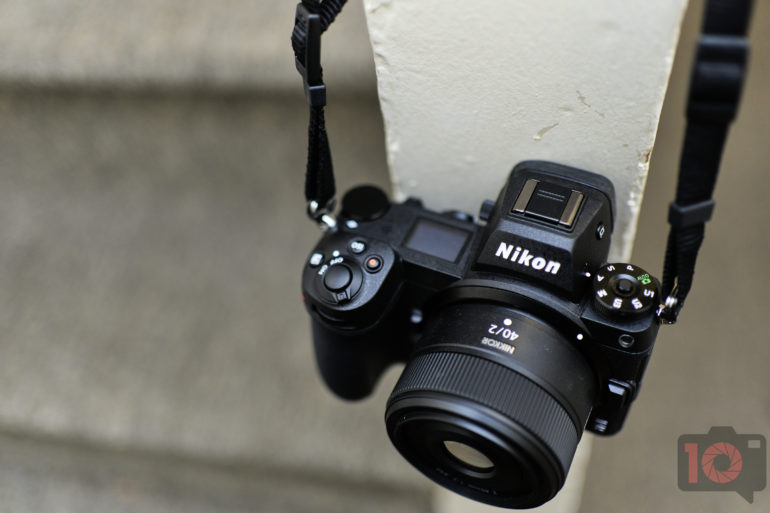
We summarized our Nikon Z 40mm f2 review like this:
If you’re still wondering whether or not you should get into the Nikon Z camera system, the Nikon 40mm f2 z should help change your mind. The company has offered multiple autofocus updates to its cameras. And with each one, the cameras and autofocus performance have genuinely improved. With that said, the Nikon 40mm f2 z can be swift, but Nikon’s autofocus algorithms are still a tad wonky.
Buy Now: $299.99
Nikon Z 50mm f1.2
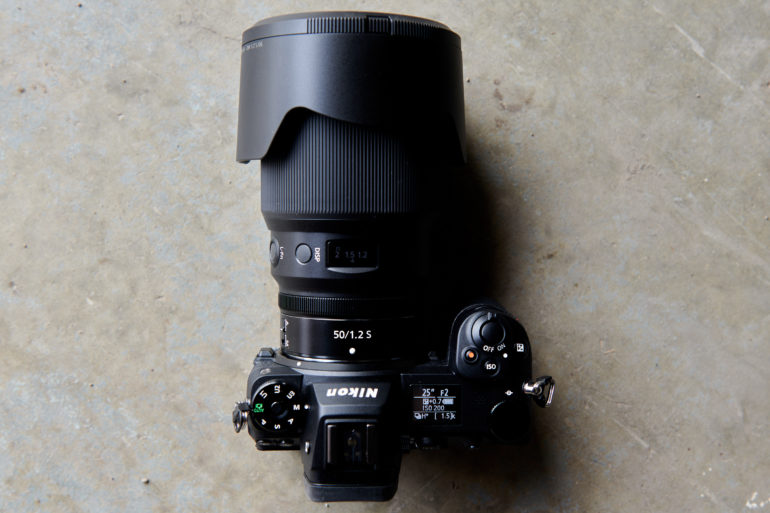
In our review, we state:
“The Z 50mm f1.2 S uses nine aperture blades to capture smooth, rounded bokeh. The lens quickly yet smoothly moves from incredibly sharp to softly blurred. The blur softens lines and edges and draws the eye to the subject.”
Buy Now: $2,296.95
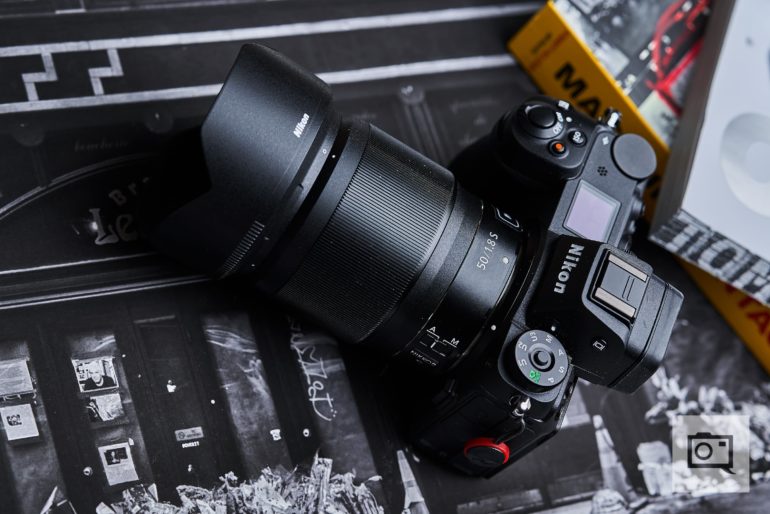
Nikon Z 50mm F1.8 S
In our review, we said:
“We subjected the lens through a slew of inclement weather conditions in and around New York City. The lens never let us down. Even with gloves on, we were still able to operate the Customizable control ring as well as toggle the Autofocus/Manual Focus switch. All things considered, the Nikon NIKKOR Z 35mm f1.8 S is a workhorse lens that can handle quite a bit of abuse.”
Buy now: $596.95
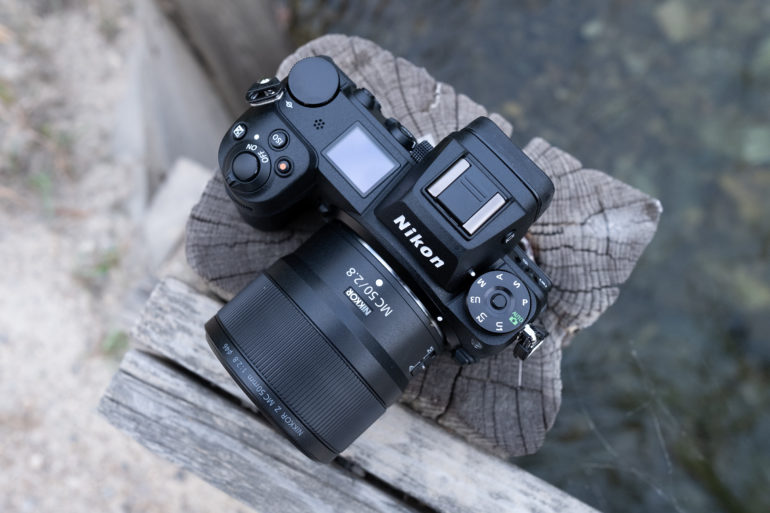
Nikon Z 50mm f2.8
In our Nikon Z 50mm f2.8 review, we said:
Alas, anyone looking to add a moderately upgraded nifty fifty to their arsenal would be happy with this lens. They’ll primarily be pleased if they like making their art come alive in post-processing. It’s weather-resistant and can be taken anywhere. It’s the perfect focal length to leave on your camera most of the time. And, it’s priced very well.
Buy Now: $649.95
Nikon Z 58mm f0.98 S Noct

In our Nikon 85mm f0.98 Noct review, we said:
The Nikon Noct 58mm f0.95 beautifully mixes technical superiority with dreamy bokeh and a bit of character. It brings the best of the Z system — that impressive sharpness across the frame — with bokeh that melts like butter and just enough flare and vignetting to add character without going over the top. The lens creates some beautiful images. And wrapped up in a metal body, it looks beautiful too.
Buy Now: $7,080
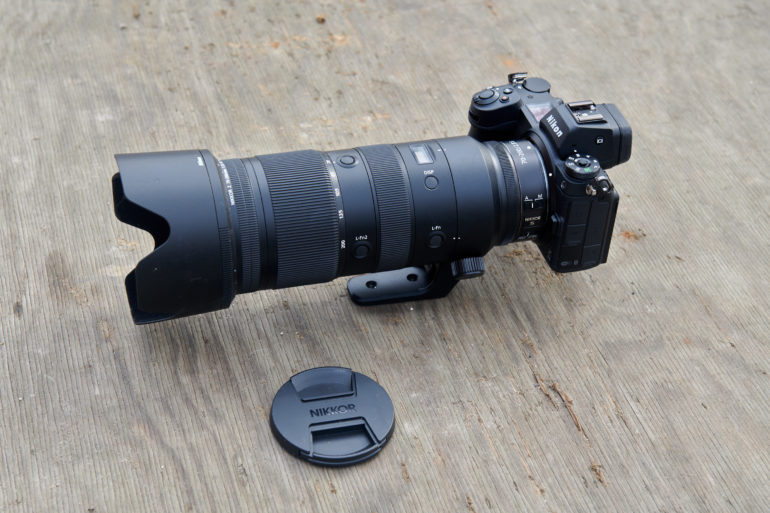
Nikon 70-200mm f2.8 VR Z
In our review, we state:
The lenses are the reason to consider the Z system, and the Nikon Z 70-200mm f2.8 VR S does not disappoint. Sharpness is only a touch removed from a Z mount prime, bokeh is spectacular, and colors are excellent.
Buy Now: $2,596.95
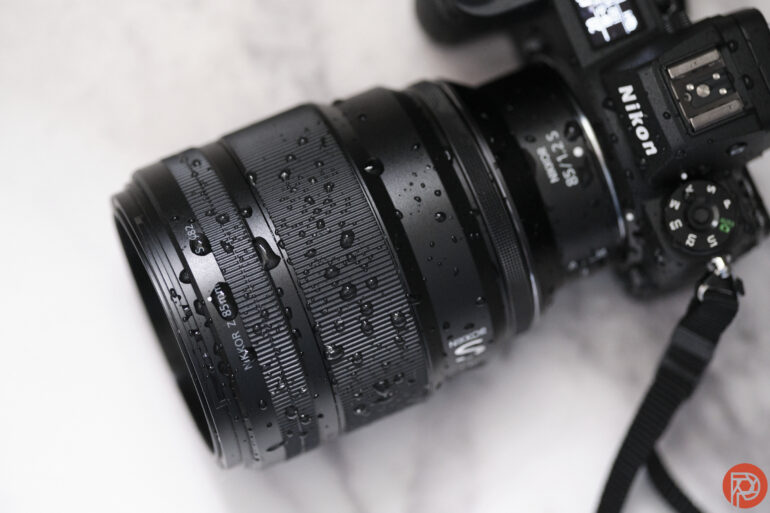
Nikon Z 85mm f1.2 S
In our Nikon Z 85mm f1.2 review, we said:
The Nikon Z 85mm f1.2 S creates a superb blend between technical sharpness and creamy bokeh. While pricey and hefty, the lens delivers an ideal blend between technical greatness and character. The wide aperture creates soft backgrounds and opens more possibilities in limited lighting. As part of the S series, the lens is weather-sealed and includes a custom control ring.
Buy Now: $2,796
Nikon Z 85mm F1.8
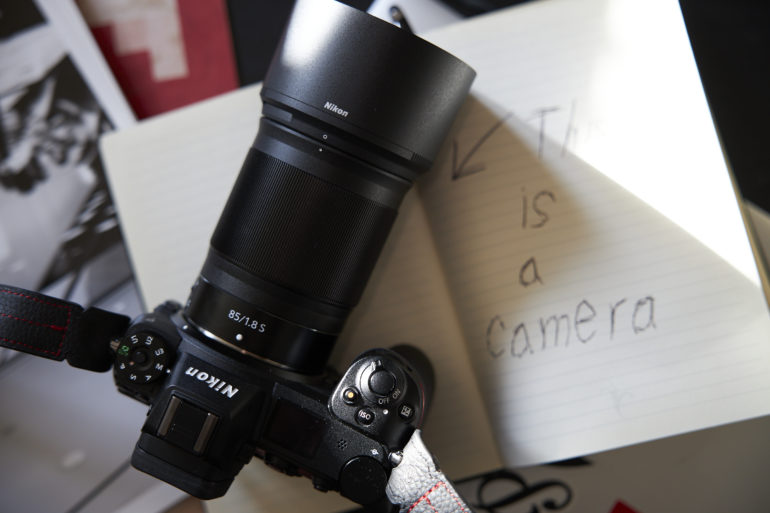
In our review, we said:
“They’re also built well and built small. They’re great for a variety of photographers. There isn’t a single bad thing to be said about the Nikon Z 85mm f1.8. It has exceptional image quality, build quality, it’s priced right, and it’s portable.”
Buy now: $796.95
Nikon Z MC 105mm f2.8 S
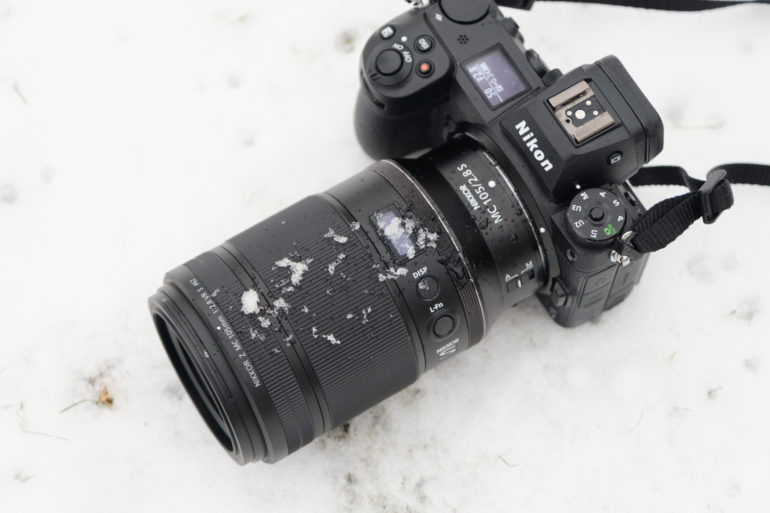
In our review of the Nikon Z 105mm macro lens, we stated:
The Nikon Z 105mm macro produces some incredibly sharp, close-up images with minimal distortion. Nikon photographers will love the stabilization and weather-sealing. But, focusing on close objects is slow, so it may not be the best choice for moving macro subjects such as bugs.
Buy Now: $1,046
Nikon Z 135mm f1.8 Plena
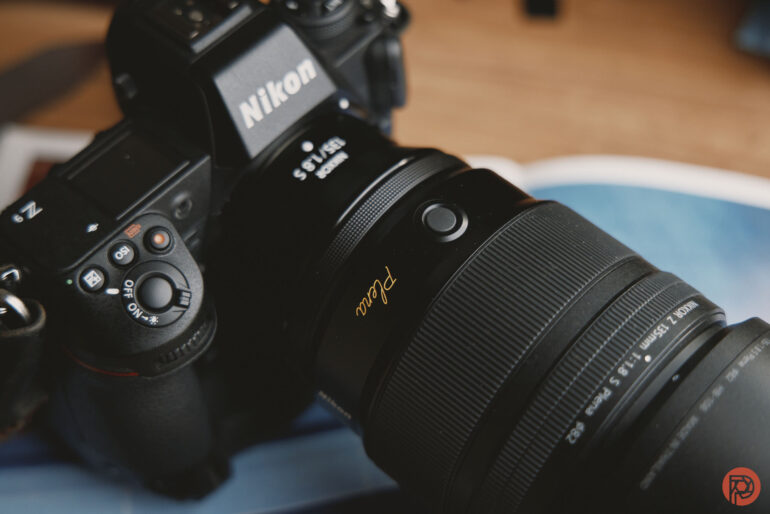
In our Nikon Z 135mm Plena review, we said:
There’s a lot to like about the Nikon Z 135mm f1.8 Plena. It’s fairly lightweight overall, and doesn’t feel like anything heavy that Sigma has made in the past few years. It also autofocuses pretty quickly and closely. Though it’s faster to focus than the Canon and Sony variants on the Z9 specifically, it can focus as closely. This is a lens for a location portrait shooter that might probably end up reaching for a 70-200mm f2.8 lens instead just for the convenience. And I can’t always imagine that a lens like this would be the go-to for any portrait photographer. with that said, I think that it’s still a niche lens; but quite a special one that a photographer would really enjoy owning.
Buy Now: $2,496
Nikon Z 400mm f4.5 VR S
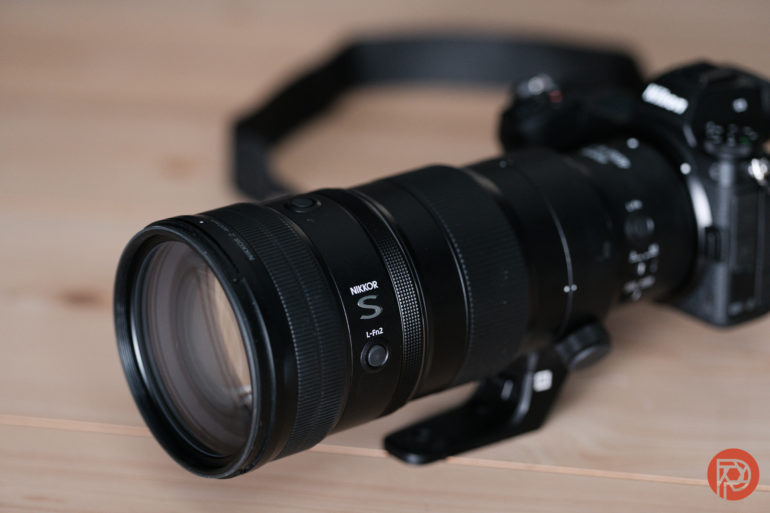
In our Nikon Z 400mm f4.5 VR S review, we had this to say:
One of the biggest features of the Nikon Z 400mm f4.5 VR S is easily noticeable before even holding the lens: it’s $10k less than the f2.8 variation. But that’s not the only reason to love this lens. At about 2.5 pounds, it’s light and compact enough to hike with. Mix in 5.5 stops of stabilization and there are few reasons to use that included tripod mount. It’s also weather sealed and designed with a number of controls.
Nuy Now: $2,696
Nikon Z 400mm f2.8 TC VR S
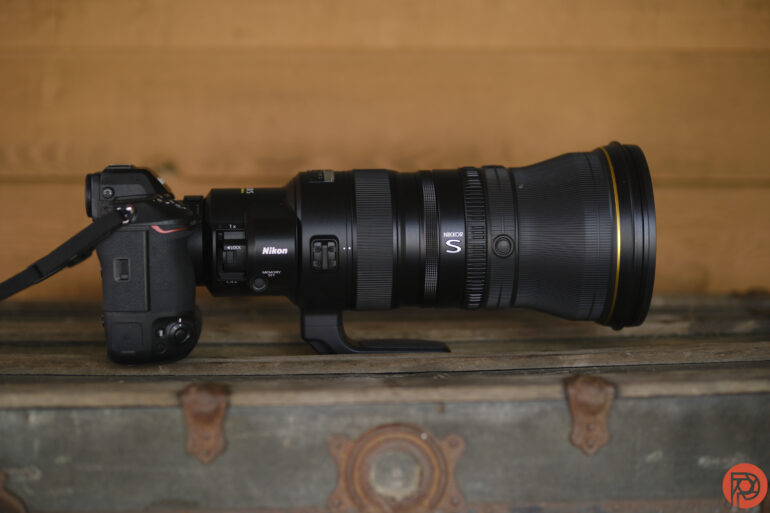
In our Nikon Z 400mm f2.8 review, we said:
The Nikon Z 400mm f2.8 TC VR S is both a 400mm f2.8 and a 560mm f4 in one lens. That versatility will serve wildlife and sports photographers well, allowing quick swaps between focal lengths without unscrewing a teleconverter. And while the aperture drops to f4 using the teleconverter, it’s still better than the reduced aperture typically associated with most super-telephoto zooms. Photographers who have the $14k to drop on this lens will be rewarded with a rugged lens that snaps sharp, colorful photos of more distant subjects.
Buy Now: $13,996
Nikon Z 600mm f4 TC VR S

In our Nikon Z 600mm f4 lens review, we said:
You’d be surprised how quickly you’d find something like a 400mm lens falling short, in terms of a focal length perspective, when photographing something like rugby or birding in an outdoor area. It’s precisely in such scenarios that you’ll really see the Nikon Z 600mm f4 TC lens shine. Aside from the occasional focus hunting, which I’d attribute more to my selection of the wrong AF settings than the lens itself, you’d rarely miss focus on what you’re aiming at. It has much more customizability than any F-mount lens that Nikon has ever released. Even with the easily activated 1.4x TC, the sharpness is exactly what you’d expect from this lens as a professional photographer. And when used with any of the Expeed 7 processor Nikon cameras (Z9, Z8, and the Zf), expect the AF speeds to match up to pro cameras from any brand today. This lens will surely be a staple for any working Nikon professional who often finds themselves at pro sporting events. Those rugby players running straight towards me at breakneck speeds were no match for the AF system’s speed. Even seasoned wildlife photographers will greatly appreciate the slight weight reduction from the DSLR counterpart.
Buy Now: $15,496
WHY YOU SHOULD TRUST US
The Phoblographer has been doing real-world photography gear tests longer than any other photography publication currently run. We also have the largest database of real-world lens reviews, amongst other things like straps, camera bags, lights, accessories, and more. Here’s why that matters:
We Block AI Bots: The Phoblographer blocks indexing bots from reading our site, so what’s here can only be read here.
AI Can’t Do This Job: These days, other publications do roundups, sometimes using generative AI. That’s the same as a person researching products and then making a decision without actually trying it. All of our reviews and guides are written not just by humans but by working photographers — not AI. Computers don’t use cameras, so why would you trust AI to recommend cameras for you?
Research and Practical Experience: Here at the Phoblographer, humans consult on what roundups to do with guidance from an editor. Then, a human goes through our database of reviews and selects the best products based on our own internal research. The human creating the roundup has practical experience with photography gear and will apply their knowledge of what’s best to the already human-based experience provided in our reviews.
How we Test Lenses at The Phoblographer
- The Phoblographer’s various product round-up features are done in-house. Our philosophy is simple: you wouldn’t get a Wagyu beef steak review from a lifelong vegetarian. And you wouldn’t get photography advice from someone who doesn’t touch the product. We only recommend gear we’ve fully reviewed in these roundups.
- If you’re wondering why your favorite product didn’t make the cut, there’s a chance it’s on another list. If we haven’t reviewed it, we won’t recommend it. This method keeps our lists packed with industry-leading knowledge. Some of our stories include affiliate links. If you buy something through one of these links, we may earn an affiliate commission.
- When we test lenses, we’ve got various things in mind. First off, we consider who might want to buy the lens and what they might do with it. With that in mind, we try to tackle at least three genres of photography with that lens in a variety of situations. If the lens has weather resistance, then we’ll test it accordingly with a weather-resistant camera. We also test the autofocus of the lens in continuous mode, single mode, with exposure preview effects, without those effects, and then with all the major image quality parameters. These days, no one really makes a bad lens — but some are far better than others.