


Last Updated on 09/11/2024 by Hillary Grigonis
Canon has been hard at work the last few years when it comes to their new mirrorless cameras and RF Mount lenses. To date, Canon has produced some top-drawer lenses to mount on their R series cameras. Canon’s best optics deliver excellent sharpness and minimal distortion in weather-sealed barrels. But, Canon’s mirrorless system also has a handful of great options for photographers on a budget as well.
The Reviews Team at The Phoblographer has tested a majority of the Canon RF lenses in the lineup, from the $300 budget glass to the high-end professional telephotos. Here, we are gathering all of our Canon RF lens reviews into one place so you can browse the options and find the next lens for your Canon kit.
Still have trouble deciding? Check out our guides on the best Canon RF lenses for wildlife, the best travel lenses for Canon, and the best budget lenses for the RF system.
Table of Contents
Understanding Canon RF Mount key terms

Like many brands, Canon’s lens naming system can feel like a confusing celebration of acronyms. But, that alphabet soup actually helps experienced photographers see at a glance some of the lens’ key features. Besides the focal length and aperture, as you shop for Canon RF lenses, look for these key terms:
- RF: Canon’s RF system is its mirrorless system. An RF lens is designed for a Canon R series mirrorless camera and will not work on a DSLR. (Canon’s DSLR lenses, on the other hand, can be used on an R-series body with an adapter.)
- RF-S: An RF-S lens is designed for Canon’s crop sensor or APS-C cameras. If you have a full-frame body, don’t buy any RF-S lenses. The RF-S lenses are designed for cameras with two-digit numbers like the R50, not single-digit models like the R6. While RF lenses will work on both crop sensor and full frame RF bodies, RF-S lenses aren’t made for full frame and will deteriorate the image quality by cropping.
- STM: The STM in a Canon lens name indicates that the optic uses a stepping motor for the autofocus. This means the lens has quieter autofocus, which is a perk for video.
- USM: A USM in the lens name indicates that the lens is not just quiet to focus, but quick to focus as well. It stands for Ultrasonic Focus Motor.
- IS: This is an easier one to remember, as it stands for Image Stabilization. That means you can use the camera at slower shutter speeds without a tripod. (The slowest shutter speeds will still require a tripod, but you can drop the speed more than with a non-stabilized lens.)
- Macro: No abbreviations to memorize for this one — macro means that a lens can focus up close and is good for focusing on smaller objects. Macro lenses also still work for more distant subjects as well, they just have the added bonus of focusing closer than most other lenses.
- L: On the Canon system, L stands for Luxury. Canon’s top-tier lenses are designated with an L in the name. These lenses are often tack sharp, fast to focus, and weather-sealed.
Canon RF 16mm f2.8 STM
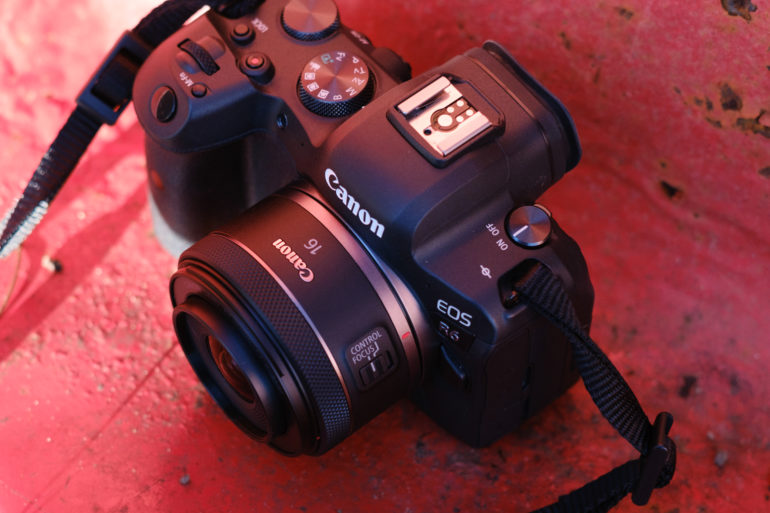
In our review, we state:
“This lens is the first ultra-wide prime to launch for the RF mount. Canon doesn’t even have a similar EF mount option on their current list of lenses, just the $2,099 EF 14mm f2.8L IS USM. Outside of that, the biggest headliners here are that it’s small and affordable.”
Canon RF 24mm f1.8 Macro IS STM
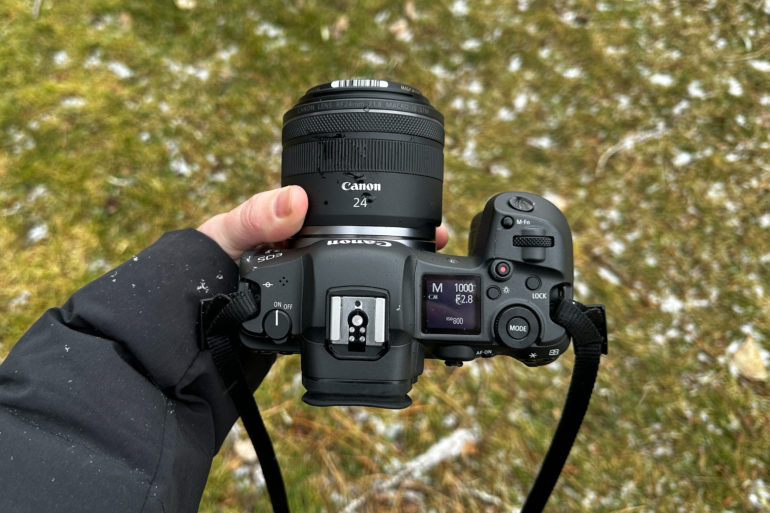
In our Canon RF 24mm f1.8 Macro review, we said:
“The Canon RF 24mm f1.8 Macro IS STM lens packs a big performance on a budget. Its versatile focal length will please both the selfie generation and image makers looking for an excellent prime lens. The lens performs superbly in most photographing conditions. It is quick to focus in a variety of lighting conditions.”
Canon RF 28mm f2.8
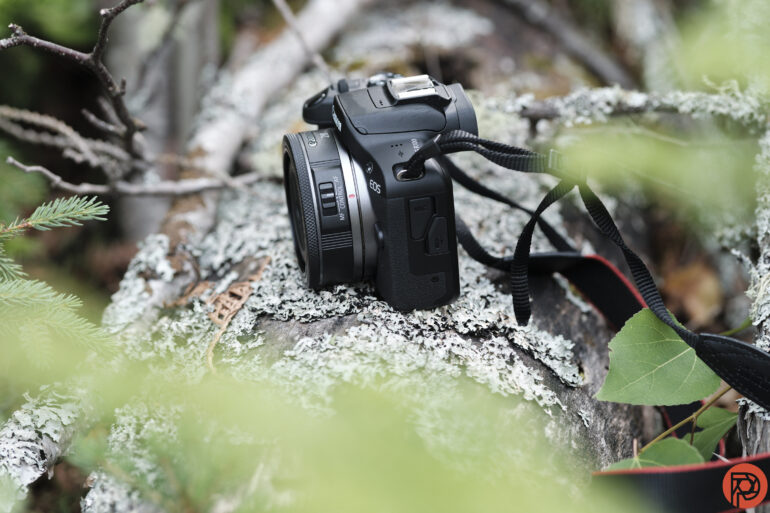
In our Canon RF 28mm f2.8 review, we said:
“Canon is bringing affordable primes to the RF system — and I’m here for it. While pixel peepers will find a few things to complain about, the mix of price and JPEG quality allows new photographers to play with wider apertures than possible with a cheap kit lens. While the lens is full frame compatible, it makes even more sense on Canon’s budget crop-sensor cameras, where it functions as a 45mm lens. The lens produces lovely flare, decent background separation, and deep colors for an affordable price.”
Canon 35mm F1.8 USM IS
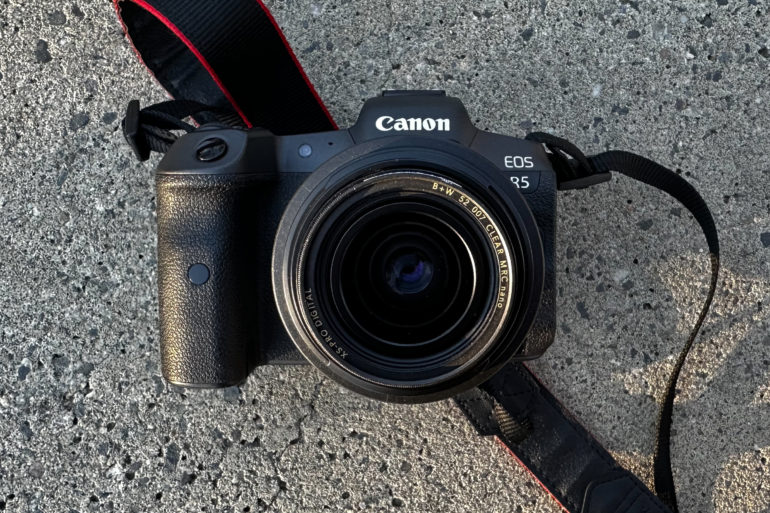
In our review, we said:
Canon has created a crowd-pleaser among hybrid content creators and working professionals with the RF 24mm f1.8 Macro IS STM lens. This versatile lens is an excellent option for street photography, photojournalism, landscapes, cityscapes, architecture, portrait, and macro photography. It’s the perfect size and price to put on your camera and take it everywhere.
Buy now: $595
Canon 35mm F1.8 Macro USM IS
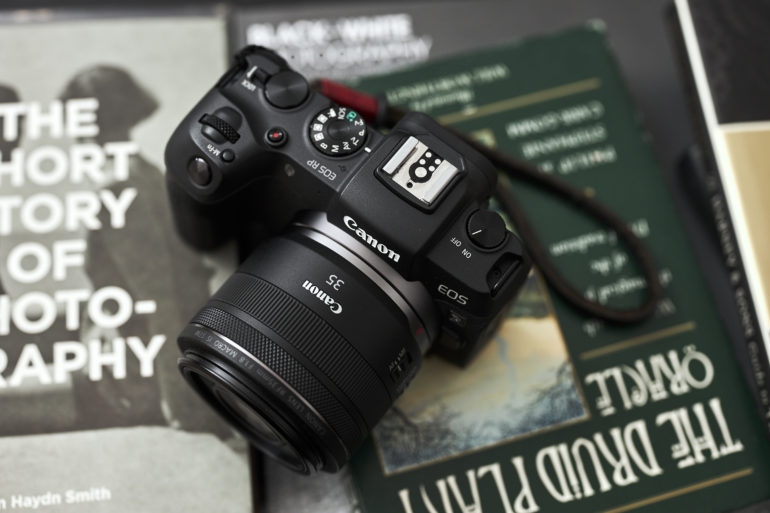
In our review, we said:
“…the image quality is also very sharp for what it is. Then consider the bokeh and the fact that you can not only get this from a 35mm lens, but the f1.8 aperture lets you really blow your backgrounds out. We can’t really complain about the Canon RF 35mm f1.8 USM IS.”
Canon RF 50mm f1.8
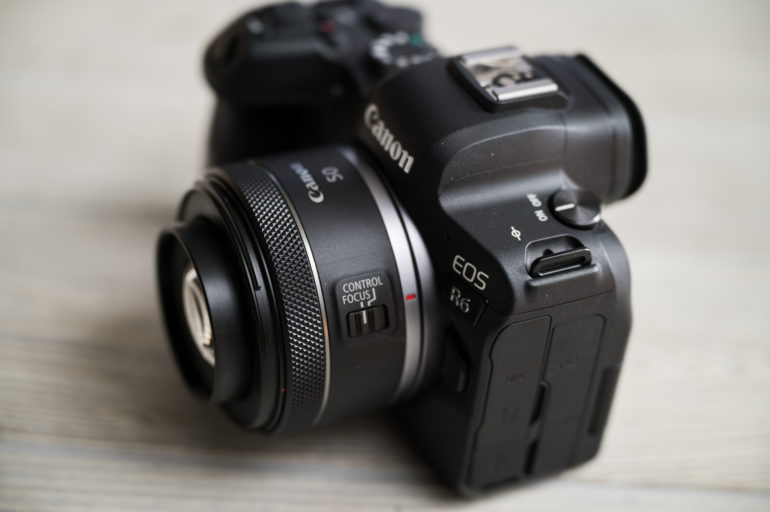
In our review, we state:
Sitting pretty at $200, the Canon RF 50mm f1.8 brings the affordable nifty fifty to the R bodies, only jumping $75 off the EF mount price. The lens is simple and not weather-sealed, but it’s also compact and delivers some pretty impressive bokeh. I tried the Canon RF 50mm f1.8 on some individual and couple’s portraits to see if the budget lens is worthwhile.
Canon RF 50mm F1.2 L USM
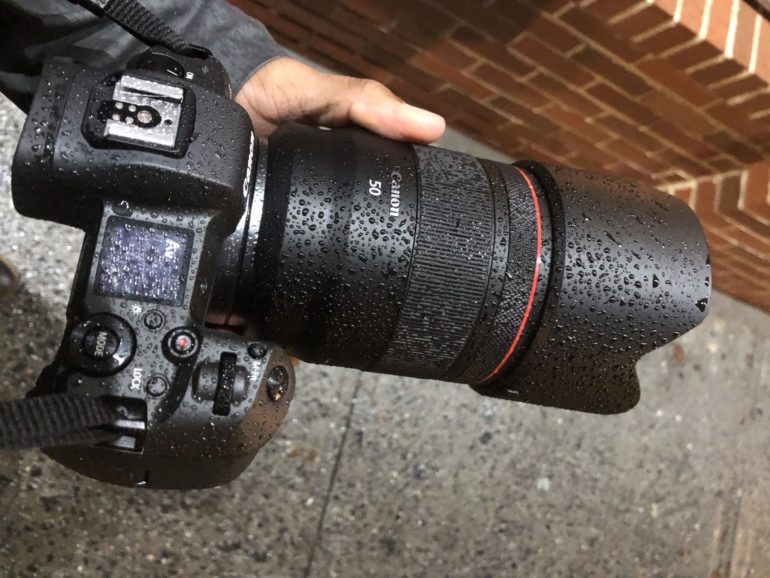
In our review, we said:
“This lens exhibits beautiful bokeh, sharp images, micro-contrast, a medium format look, weather sealing, fast focusing, etc. In many ways, this is perhaps Canon’s most perfect prime lens within a standard workable focal length that they’ve put out in years.”
Canon RF 85mm F1.2 L USM
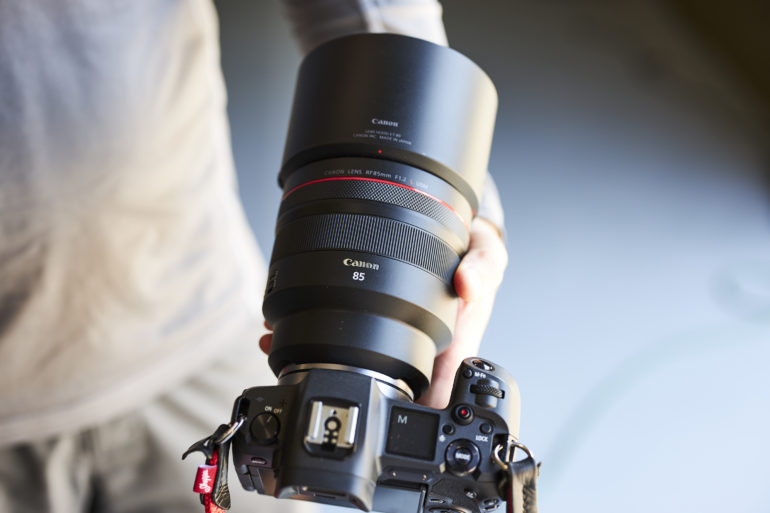
In our review, we said:
“The Canon RF 85mm f1.2 L USM produces truly beautiful bokeh, excellent sharpness, plenty of micro-contrast, and overall exceptional image quality. Its performance is quite snappy as well and it’s capable of focusing and tracking fast-moving subjects quickly and accurately.”
Buy now: $2,699
Canon RF 85mm F1.2 L USM DS

In our review, we said:
“The Defocus Smoothing 85mm improves upon the original lens’s bokeh characteristics while maintaining the same level of exceptional sharpness, micro-contrast, and overall stellar image quality. Autofocus performance with the RF 85mm f1.2 DS continues to be responsive and accurate.”
Buy now: $2,999
Canon RF 85mm f2 Macro IS STM
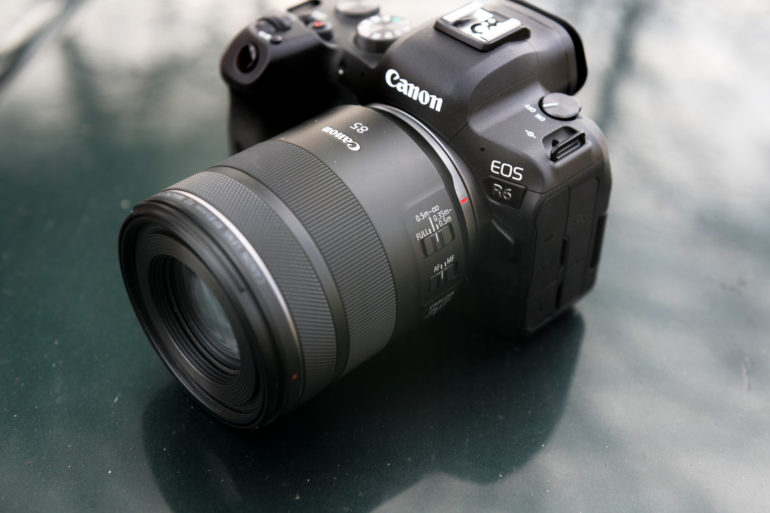
In our review, we state:
As a macro lens, the Canon 85mm f2 Macro IS STM has a wider focusing range than most. Focusing on an object at the closest possible point, then focusing on a distant object will understandably take a little more time than with a lens with a smaller range. The focusing speed can be improved using the limiter switch and selecting between .5m and infinity or .35m to .5m, rather than leaving the switch for the full range.
Canon RF 100mm f2.8 L Macro IS USM
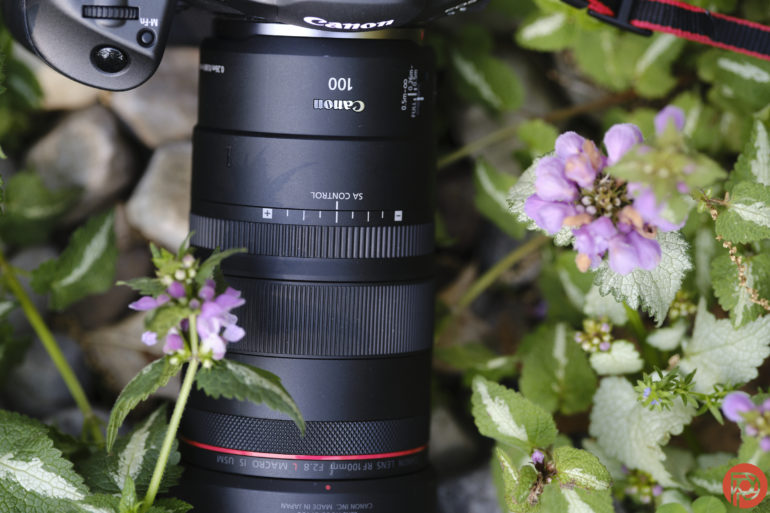
In our review, we state:
The Canon RF 100mm Macro not only expertly mixes technical greatness with character but allows photographers to choose when they want that super sharp image or a bit more character. With what feels almost like a built-in variable mist filter, this lens can add a little or a lot of softness. Of course, that softness to the bokeh as well. That’s not the only way the 100mm macro impresses. This lens adds the type of flare that software will try to imitate. This flare is also easy to control by adjusting the position of the lens so, once again, photographers can intentionally add flare or adjust to keep contrast intact. You’d think this is an obvious thing, but you’d be shocked as Sony, Sigma, Nikon and others work hard to eliminate all lens flare.
Canon RF 400mm f2.8 L IS USM
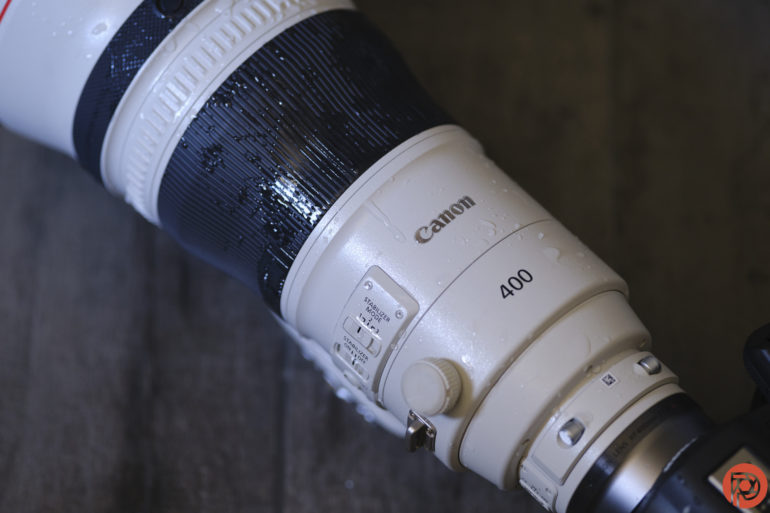
In our review, we state:
The Canon RF 400mm f2.8 is a heavy piece of glass, but it captures some wonderful images. With little aberration and lots of background blur, this lens produces some wonderful shots. The autofocus is also excellent. But, that $12K is a high price to pay.
Canon RF 600mm f11 IS STM
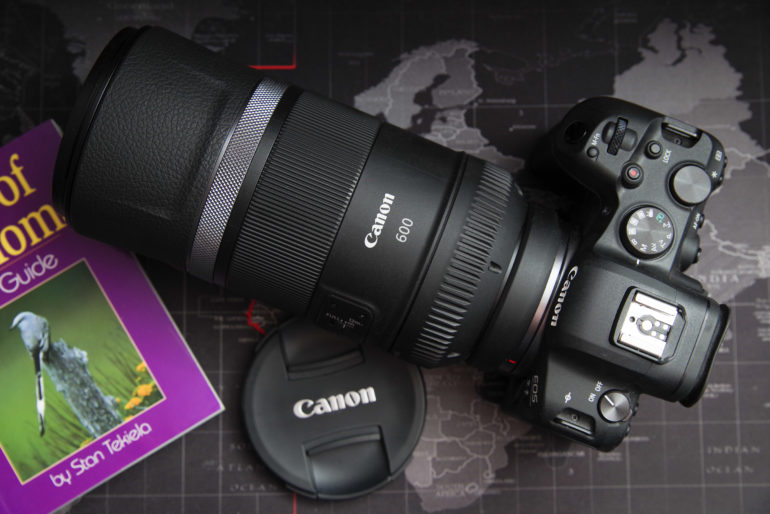
In our review, we state:
The RF 600mm f11 is much like the 800mm variant when it comes to autofocus. In excellent lighting conditions, the Canon RF 600mm f11 IS STM performs well with static subjects and moving targets. When it comes to focusing and tracking in low contrast/low light scenarios, the Canon RF 60mm f11 IS STM struggles. Getting the lens to focus on flying birds against an overcast sky can be maddening. You’ll ultimately miss shots. The focusing limiter switch does help, so use it, but AF performance is disappointing in less than perfect conditions. This is a shame. If you decide to buy it and use it in less than ideal scenarios, be ready for focus hunting.
Canon RF 800mm F11 IS STM
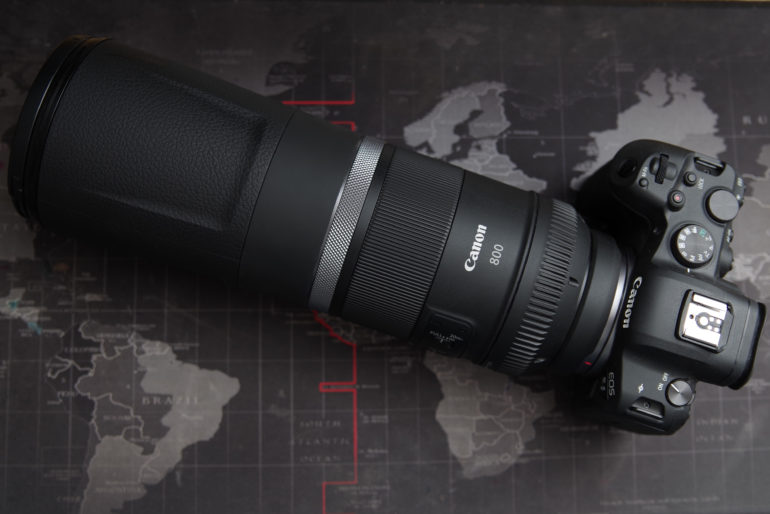
In our review, we said:
The focal length of 800mm makes this a specialty lens that will appeal to wildlife photographers and birders. The price point of $899 will really please amateurs, hobbyists, and enthusiasts in those categories. The image stabilization makes handholding this super-telephoto prime easy, and the image quality is excellent when everything goes according to plan.
Buy now: $899
Canon RF 600mm f4 L IS USM
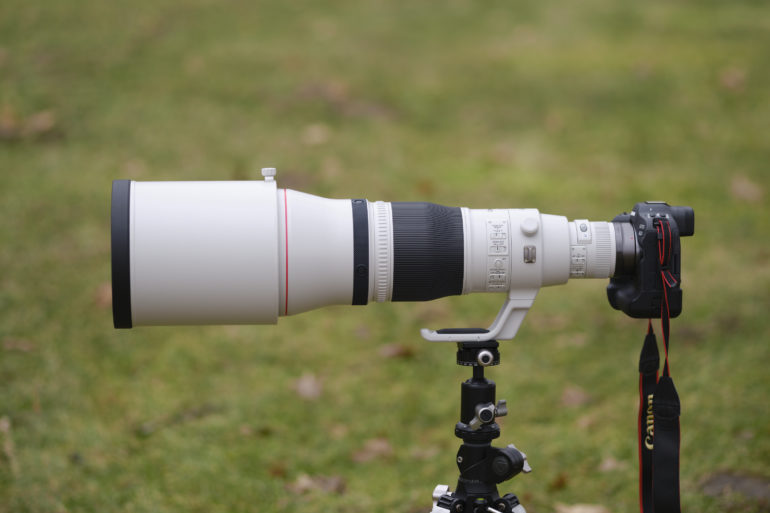
In our review, we state:
The Canon RF 600mm f4 is the kind of lens that produces backgrounds so soft, it looks as if it’s a solid color. The super-telephoto focal length mixed with the brighter aperture makes distant subjects pop. The focus is also solid considering how large the lens is. However, it’s heavy and large, and $13,000.”
Canon RF 800mm f5.6 L IS USM
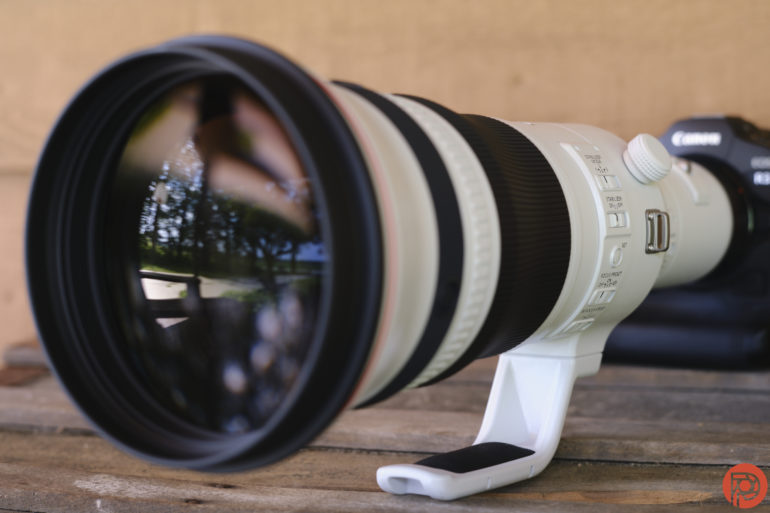
In our review, we state:
The Canon RF 800mm f5.6 L IS USM has impressive reach that creates a beautiful mix of sharply detailed subjects and melted backgrounds. With this lens and the R3, I shot the best wildlife photos that I’ve taken so far. While the reach is impressive, what’s more impressive is that this lens is possible to use handheld for short periods of time. Stabilization allowed for impressively low shutter speeds on such a long focal length.
Canon RF 1200mm f8 L IS USM
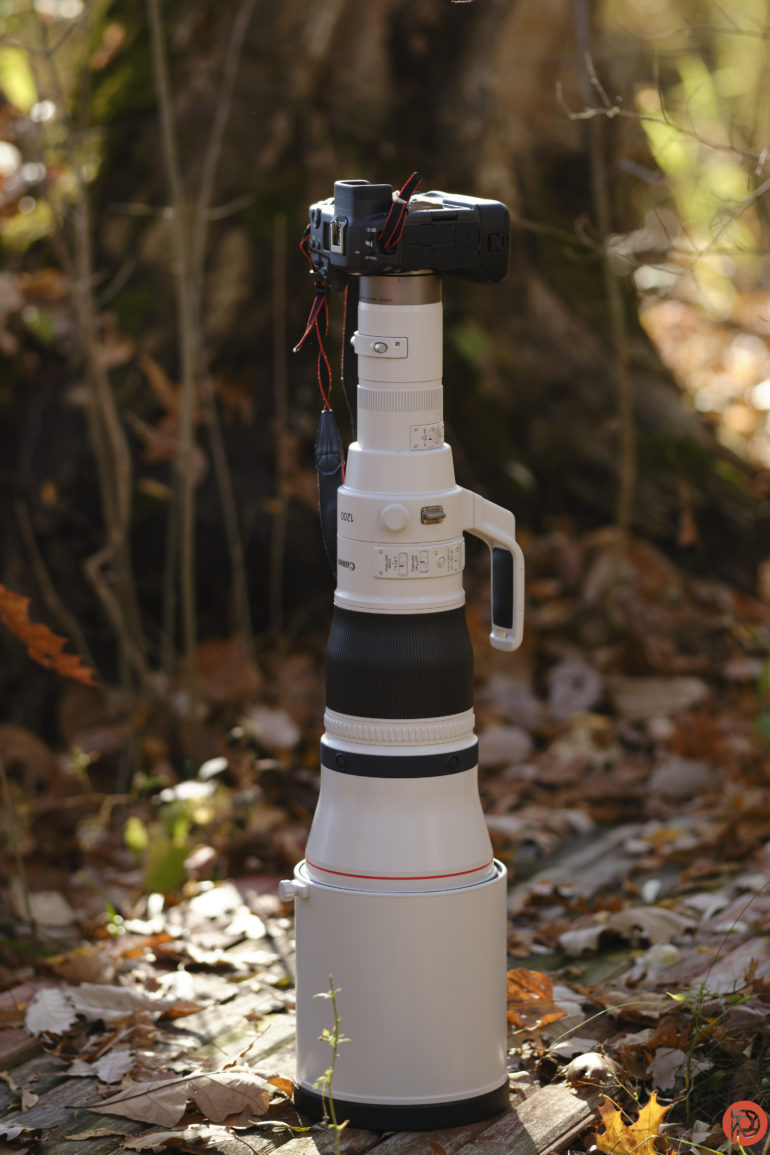
In our review, we state:
The Canon RF 1200mm f8 L captured some of my best wildlife photography yet. While it’s an f8 lens, the 1200mm focal length delivers sharp subjects that melt away into, yes, incredible bokeh. Despite the f8, backgrounds melt like butter. While higher ISOs are needed on the right camera body, those higher ISOs are no big deal. Stabilization is even good enough to handhold this lens, just not for long periods. As an L series lens, the Canon RF 1200mm is also weather-sealed and built to last.
Canon RF 10-20mm f4 L

In our Canon RF 10-20mm f4 review, we said:
“There’s a lot of love about the Canon RF 10-20mm f4 L. It embraces distortion, but in a way that helps to tell stories. It also gives us lens character, color, and depth that is hard to get from many other lenses. It’s a lens for people that don’t want to pixel peep just to compare lenses. Instead, they’ll pixel peep to get closer to a story. Plus, it’s weather resistant and has good image stabilization. There isn’t a lot not to like about this lens to be honest.”
Canon RF 14-35mm f4 L IS USM
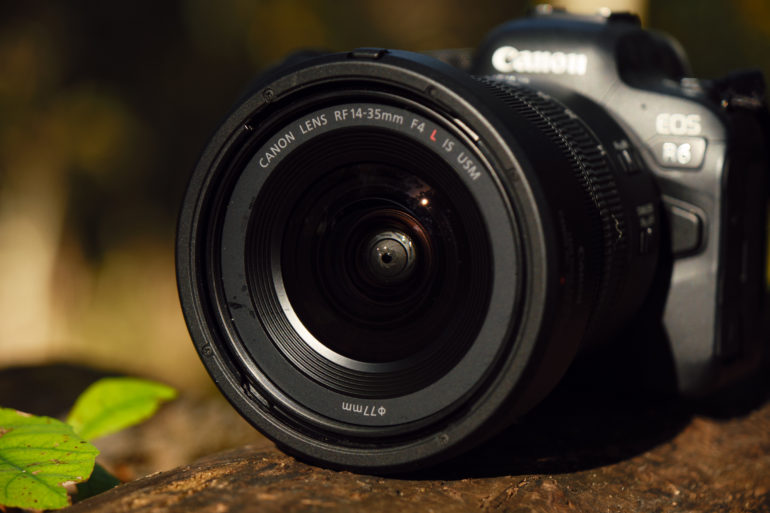
In our review, we state:
“The Canon RF 14-35mm f4 L is lightweight and well-built. There’s little to complain about in the autofocus and stabilization performance. It captures stunning JPEGs, but also captures some significant corner bending vignetting at 14mm that’s going to need lens profile corrections (not yet supported in Lightroom or Capture One as of writing this review).”
Canon RF 15-30mm f4.5-6.3 IS STM
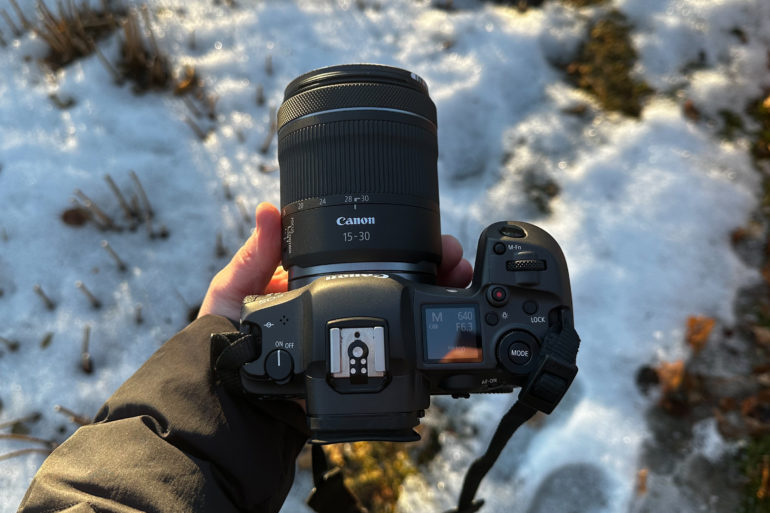
In our review, we said:
Canon’s 15-30mm f4.5-6.3 lens is a versatile focal length suitable for various applications. Photographers can embrace distortion for fun portraits. It’s also an excellent option for landscapes, cityscapes, travel, and photojournalism.
Buy now: $549
Canon RF 15-35mm F2.8 L IS USM
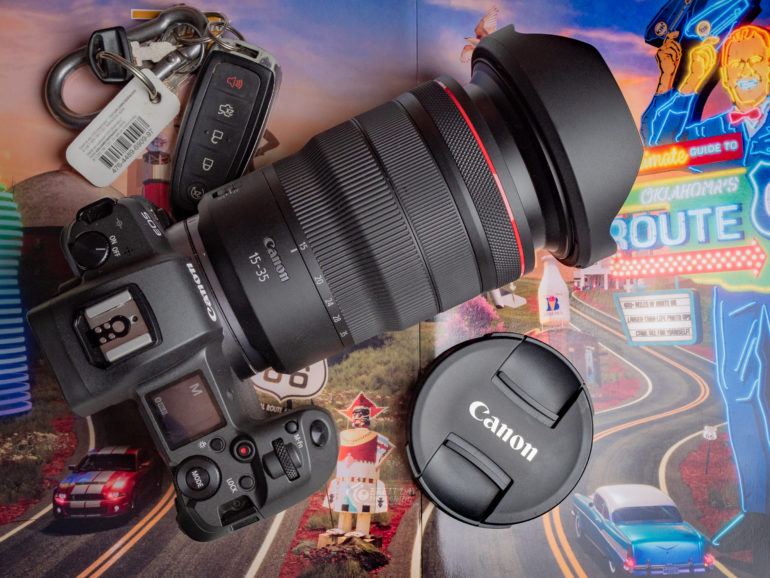
In our review, we said:
“It’s wonderfully constructed, the image output is outstanding, and it’s just so darn fun to shoot with.”
Buy now: $2,299
Canon RF 24-50mm f4.5-6.3 IS

In our Canon RF 24-50mm review, we said:
“On the other hand, we’ve got the Canon RF 24-50mm f4.5-6.3 IS. This is, by far, the single most useless lens from Canon I’ve ever handled. It’s not even a 24-70mm with a variable aperture. Instead, you’re getting barely any range. It’s not weather-resistant, either. And here’s the bigger thing: if you’re shooting at 24mm, the lens will sometimes tell you that it’s not ready for shooting, so you have to shoot at a longer focal length. This more or less makes it a 28-50mm lens. That further adds insult to the botheration.”
Canon RF 24-70mm F2.8 L IS USM
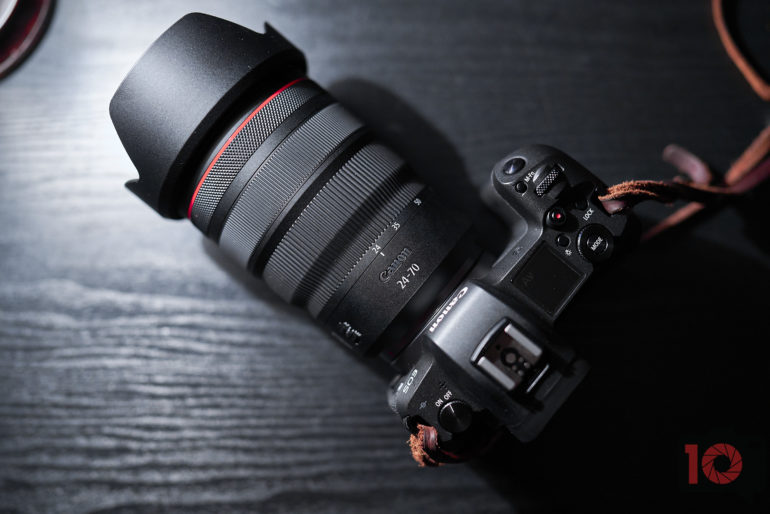
In our review, we said:
The Canon RF 24-70mm f2.8 L IS USM is an excellent lens for the Canon photographer. It makes the system more usable and sensible. It’s a lens targeted to professional photographers. Those photographers will be able to justify the investment not only because of the image stabilization but also because of the lightweight and small size. The lens is portable when working on location. Beyond that, the image quality is outstanding. While it’s such, it’s still not going to outdo Nikon’s 24-70mm lens. Canon’s zoom lenses have typically been their best, and to me, this isn’t comparing to the 28-70mm f2 that much. If I were to compare the Canon RF 24-70mm f2.8 L IS USM and their RF 28-70mm f2 L USM, I’d say the f2 lens is designed for the photographer who really demands the highest-end image quality and the most innovation. The Canon RF 24-70mm f2.8 L IS USM is more of a lens that helps it catch up to the rest while also providing image stabilization. To that end, it’s a lens I’m considering purchasing because of how satisfied I am with the results (while also balancing the fact that I need a zoom lens these days).
Buy now: $2,399
Canon RF 28-70mm F2 L USM
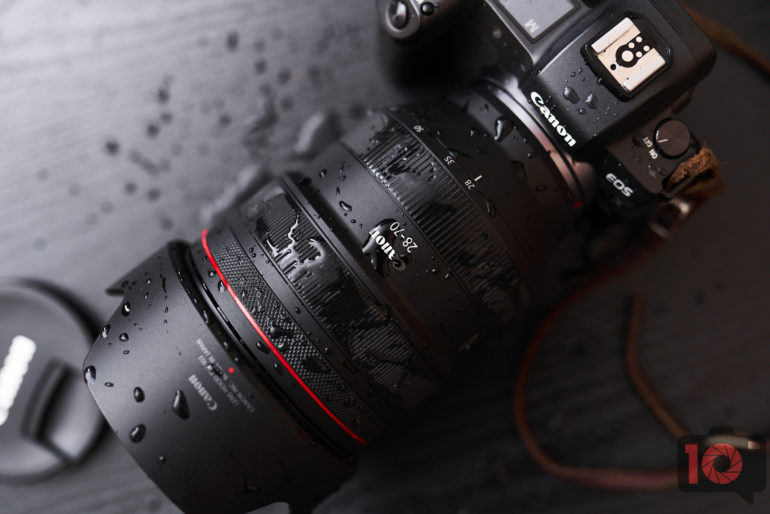
In our review, we said:
“You’ll get fantastic bokeh, exceptional sharpness, lens character, beautiful colors, and no real problems with technicalities. When it comes to image quality, the Canon RF 28-70mm f2 L USM isn’t really something you can fault.”
Buy now: $2,999
Canon RF 24-105mm f2.8 L IS

In our Canon 24-105mm f2.8 L IS review, we said:
“The Canon RF 24-105mm f2.8 L is an incredible lens. Overall, this is perhaps the sharpest zoom lens that I’ve seen from Canon. In fact, I’d rate this the sharpest zoom lens overall that I’ve tested in a while. That’s a good thing for many of you who want to do a lot of post-production or don’t mind doing it. I, on the other hand, much prefer their prime lenses and the gentle beauty they bless the heroes of your photos with. But I absolutely cannot deny the incredible innovation Canon has with this lens. No one else on the market has it. And if you’re a hybrid production shooter, then you’ll probably really like the Canon RF 24-105mm f2.8 L.”
Canon RF 24-105mm F4 L IS USM

In our review, we said:
“I think that the Canon RF 24-105mm f4 L IS USM is a great lens. Considering that this used to be my bread and butter lens for years when I was a DSLR owner, I’m pleasantly content with the latest version. It’s almost impossible to get a blurry shot due to camera shake. In fact, I pretty much never got one. Then there is the weather sealing, the fast focus, etc. We can’t really fault the Canon RF 24-105mm f4 L IS USM.”
Buy now: $1,099
Canon RF 24-105mm F4-7.1 IS STM
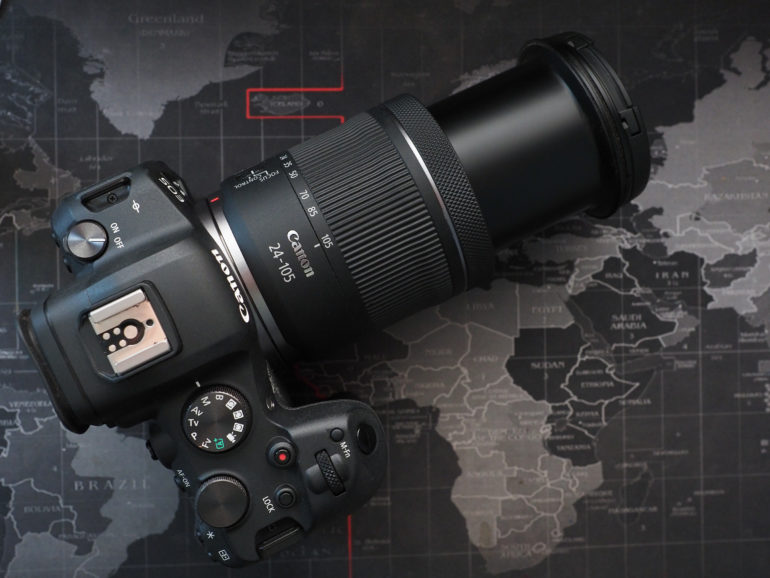
In our review, we said:
“This is a well-built lens that focuses incredibly quickly. The lens produces nice natural colors, it’s beyond sharp, there’s no fringing, and it can be used as a makeshift macro lens. It’s the perfect lens for many types of photography thanks to its versatile zoom range. Its small size and low weight mean you can carry it around on your camera without feeling like your back is going to break.”
Buy now: $399
Canon RF 24-240mm f4-6.3 IS USM
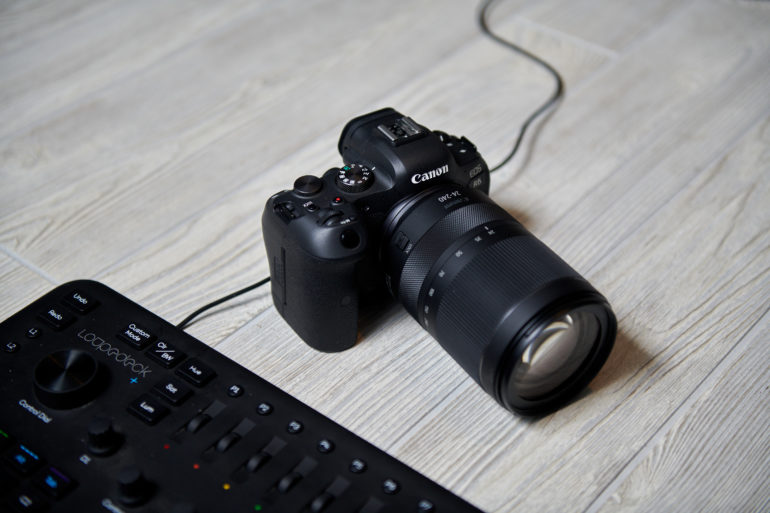
In our review, we state:
The Canon RF 24-240mm f4-6.3 IS USM is rather compact, considering all the focal lengths inside the lens. But, it’s a jack-of-all-trades-master-of-none sort of lens that delivers just okay images. It’s an okay lens if you can only pack one lens when traveling, but it doesn’t wow.
Canon RF 70-200mm F2.8 L IS USM
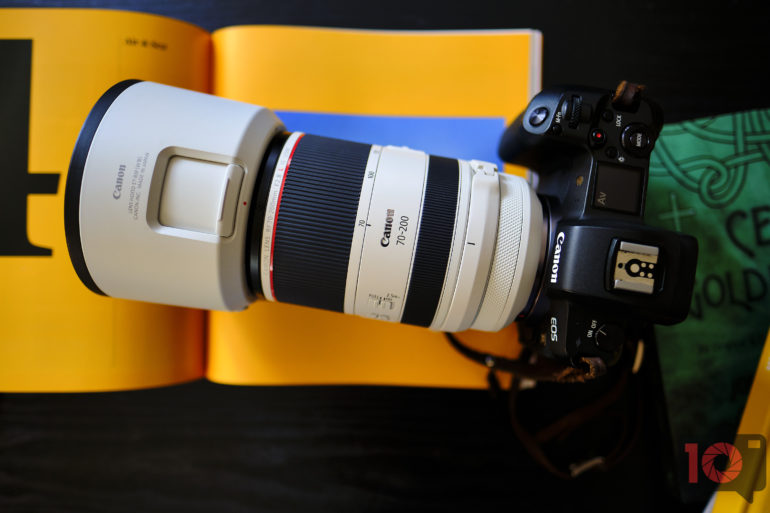
In our review, we said:
Not only is there image stabilization and exceptional build quality, but it’s got beautiful image quality. The bokeh is nice and creamy even though there are better portrait lenses on the market. The colors you’ll get are going to be much better than most of what you see on the market. And finally, with Canon’s great autofocusing abilities, you’re going to nail a shot in the dark. The Canon RF 70-200mm f2.8 L IS USM deserves high marks all around.
Buy now: $2,699
Canon RF 70-200mm f4 L IS USM

In our review, we state:
“The Canon RF 70-200mm f4 L USM is a lighter, more affordable alternative to the 70-200mm f2.8. The lens delivers pro-level sharpness and a lack of aberration. It naturally doesn’t have quite the same level of bokeh.”
Canon RF 100-400mm f5.6-8 IS USM
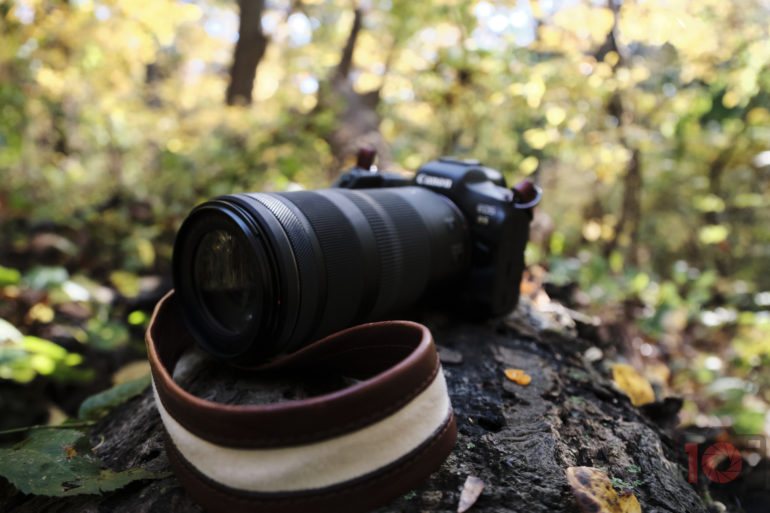
In our review, we state:
The Canon RF 100-400mm f5.6-8 IS USM isn’t an innovative lens. If anything, it’s really overshadowed by the Canon RF 100-500mm. Other brands have lenses just like this and those lenses do more. But Canon’s is incredibly affordable, and to make it affordable they removed the weather resistance. Arguably, I also think it doesn’t work as intelligently with Canon’s system as the 100-500mm lens does.
Canon RF 100-500mm f4.5-7.1 L IS USM
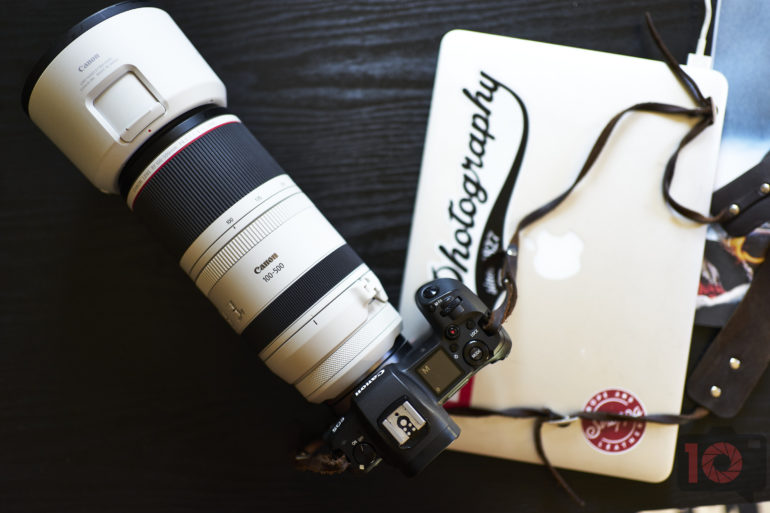
In our review, we state:
Here’s the deal, the Canon RF 100-500mm f4.5-7.1 L IS USM is an excellent lens. There isn’t really a single flaw about it. It’s compact compared to some competitors, the image quality is wonderful, and it’s weather sealed. And $2,699 for what you’re getting isn’t too awful of a price point, though it’s also not a no-brainer purchase. For what this lens is, it’s exemplary, and I think that any serious birding photographer will really enjoy it as long as you’re not hiking with it for a while. There isn’t much to complain about with the Canon RF 100-500mm f4.5-7.1 L IS USM.
Why You Should Trust Us
The Phoblographer has been doing real-world photography gear tests longer than any other photography publication currently run. We also have the largest database of real-world lens reviews, amongst other things like straps, camera bags, lights, accessories, and more. Here’s why that matters:
- AI Can’t Do This Job: These days, other publications do roundups, sometimes using generative AI. That’s the same as a person researching products and then making a decision without actually trying it. All of our reviews and guides are written not just by humans but by working photographers — not AI. Computers don’t use cameras, so why would you trust AI to recommend cameras for you?
- Research and Practical Experience: Here at the Phoblographer, humans consult on what roundups to do with guidance from an editor. Then, a human goes through our database of reviews and selects the best products based on our own internal research. The human creating the roundup has practical experience with photography gear and will apply their knowledge of what’s best to the already human-based experience provided in our reviews.
- We Block AI Bots: The Phoblographer blocks indexing bots from reading our site, so what’s here can only be read here.
How We Test Lenses

- The Phoblographer’s various product round-up features are done in-house. Our philosophy is simple: you wouldn’t get a Wagyu beef steak review from a lifelong vegetarian. And you wouldn’t get photography advice from someone who doesn’t touch the product. We only recommend gear we’ve fully reviewed in these roundups.
- If we haven’t reviewed it, we won’t recommend it. This method keeps our lists packed with industry-leading knowledge. Some of our stories include affiliate links. If you buy something through one of these links, we may earn an affiliate commission.
- When we test lenses, we’ve got various things in mind. First off, we consider who might want to buy the lens and what they might do with it. With that in mind, we try to tackle at least three genres of photography with that lens in a variety of situations. If the lens has weather resistance, then we’ll test it accordingly with a weather-resistant camera. We also test the autofocus of the lens in continuous mode, single mode, with exposure preview effects, without those effects, and then with all the major image quality parameters. These days, no one really makes a bad lens — but some are far better than others.
The Phoblographer may receive affiliate compensation for products purchased using links in this blog post.