

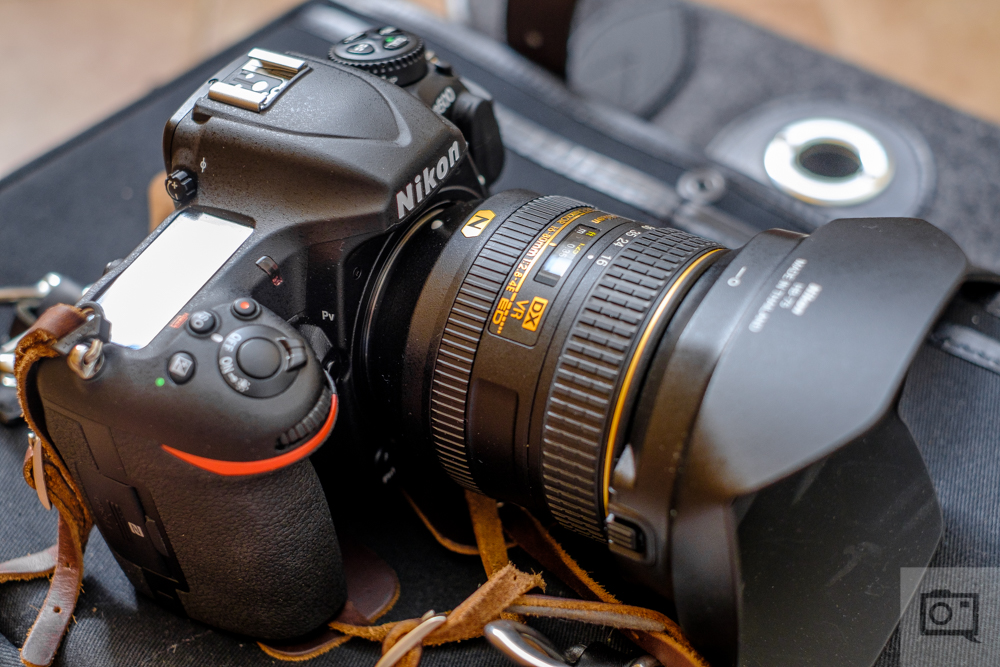
In 2016, I reviewed the Nikon D500 — a camera that I often consider to be the single best APS-C DSLR made. For me, it blew everything that Canon had out of the water. And by this point, Sony mostly stopped caring about their DSLT cameras. The Nikon D500 was the successor to the Nikon D300 and D300s. The former was a camera that so many photojournalists truly envied. With a low 12MP sensors and incredible high ISO output, I remember there being discussions about how that camera could’ve shot better images of President Obama than the D700. And while the Nikon D500 stuck to 20MP, it was still an excellent camera and had incredible image quality.
The Nikon D500 was designed to essentially be a pro-grade camera but with an APS-C sensor. If anything, you can call it the APS-C flagship. And it really delivered for photojournalism. The camera had highlight recovery that’s only really seen in many cameras today. At the time, we compared it to many other APS-C cameras on the market. And for the most part, it held up to each one of them and superceded them in many ways.
The 20MP sensor in this camera is important in so many ways because it’s still more or less the sensor in many of the company’s currently APS-C cameras — at least in some way or another.
Looking back, I really wish that I used a flash with the Nikon D500 a bit more because of how much better I could’ve made the images look.
So what else was so good about this camera? Well, according to my review:
- The battery life wouldn’t die
- The autofocus worked very well
- It’s overkill for most people in terms of the features
That’s the stuff that people would care about right now in 2025 as I write this article. The camera can still be had for a good price. But what I think everyone needs to consider is that this is an APS-C camera. If you get lenses for it, get full-frame lenses so that you can use them on full-frame bodies later on — like the Nikon Z7 II with an adapter of some sort.
We’re still waiting to see what Nikon will do with their flagship APS-C mirrorless camera. My gut says that it’s going to be targeting creators more than photographers.