


Before image stabilization, photographers used to either use a tripod or control their breathing when taking photos. This prevented camera shake — which is partially caused by shaky hands. These days, image stabilization is very effective. But still, many photographers don’t practice the older ways. So if you’ve got shaky hands for one reason or another, we’re rounding up some of the best lenses for you. Here are the best lenses for photographers with shaky hands.
This blog post is presented in partnership with LUMIX.
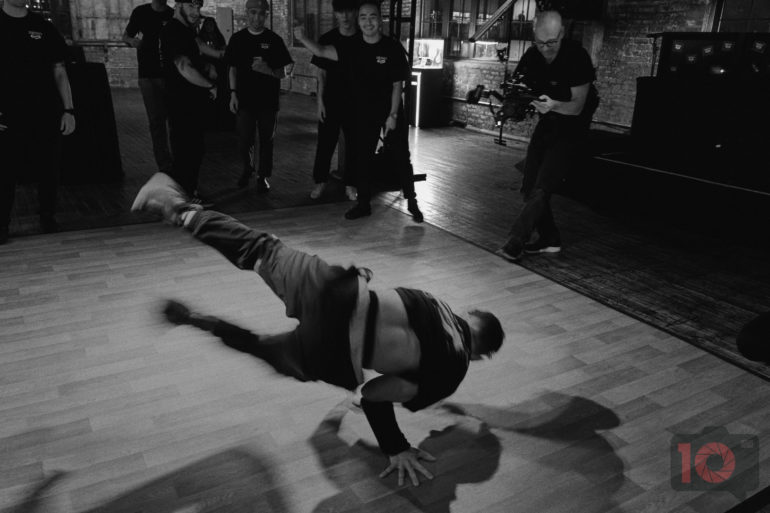
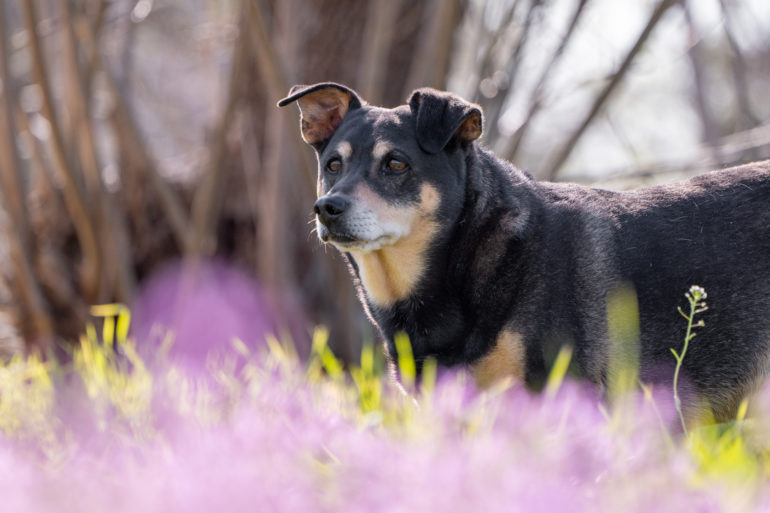
Before we go, we should tell you about the LUMIX S5II. It, by far, is one of the best and most affordable cameras with insane image stabilization. We’ve shot with it down to over a second long and gotten photos that don’t have camera shake in them. Here are just a few images that we’ve made with it. See how many parts of the images are sharp but whatever is in motion is blurred?


Table of Contents
Why You Should Trust Us
The Phoblographer has been doing real-world photography gear tests longer than any other photography publication currently run. We also have the largest database of real-world lens reviews, amongst other things like straps, camera bags, lights, accessories, and more. Here’s why that matters:
- AI Can’t Do This Job: These days, other publications do roundups, sometimes using generative AI. That’s the same as a person researching products and then making a decision without actually trying it. All of our reviews and guides are written not just by humans but by working photographers — not AI. Computers don’t use cameras, so why would you trust AI to recommend cameras for you?
- Research and Practical Experience: Here at the Phoblographer, humans consult on what roundups to do with guidance from an editor. Then, a human goes through our database of reviews and selects the best products based on our own internal research. The human creating the roundup has practical experience with photography gear and will apply their knowledge of what’s best to the already human-based experience provided in our reviews.
- We Block AI Bots: The Phoblographer blocks indexing bots from reading our site, so what’s here can only be read here.
How We Test and Choose the Best Lenses for Photographers with Shaky Hands

- The Phoblographer’s various product round-up features are done in-house. Our philosophy is simple: you wouldn’t get a Wagyu beef steak review from a lifelong vegetarian. And you wouldn’t get photography advice from someone who doesn’t touch the product. We only recommend gear we’ve fully reviewed in these roundups.
- If you’re wondering why your favorite product didn’t make the cut, there’s a chance it’s on another list. If we haven’t reviewed it, we won’t recommend it. This method keeps our lists packed with industry-leading knowledge. Some of our stories include affiliate links. If you buy something through one of these links, we may earn an affiliate commission.
- When we test lenses, we’ve got various things in mind. First off, we consider who might want to buy the lens and what they might do with it. With that in mind, we try to tackle at least three genres of photography with that lens in a variety of situations. If the lens has weather resistance, then we’ll test it accordingly with a weather-resistant camera. We also test the autofocus of the lens in continuous mode, single mode, with exposure preview effects, without those effects, and then with all the major image quality parameters. These days, no one really makes a bad lens — but some are far better than others.
- In this specific roundup, we’re basing our findings on the reviews that we’ve done. We’re choosing a favorite, but we’re also giving photographers a bunch of others that they might like, depending on how they shoot.
LUMIX S 28-200mm

In our review, we state:
Luckily, this lens isn’t complicated to use. If you’re a fan of just shooting in aperture priority all day and letting the camera do what it wants, then you’re in luck. Even though the lens has a variable aperture, the optical stabilization and then the camera body’s together made it nearly impossible for me to get photos with camera shake.

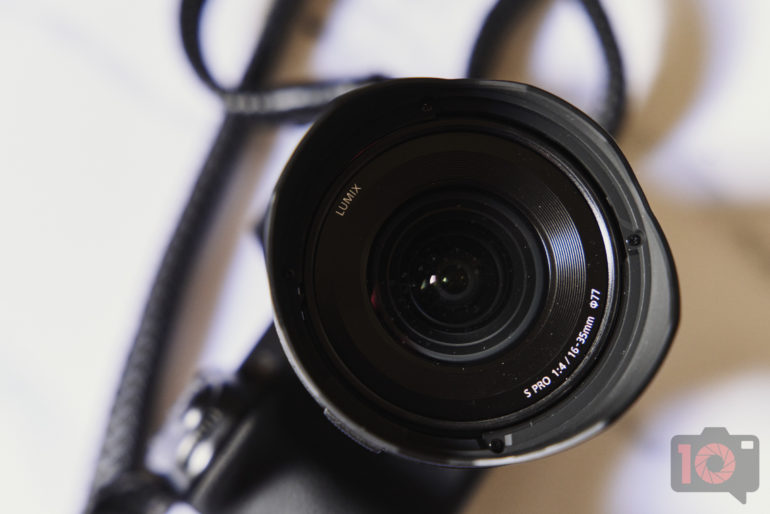
Panasonic 16-35mm f4 Lumix S Pro
- Small
- Amazingly lightweight for an L mount lens
- Sharp optics
- Weather sealing
- Nice feeling in the hand
- Focuses very fast!
In our review, we said:
I really, really like the colors…
LUMIX S 20-60mm F3.5-5.6
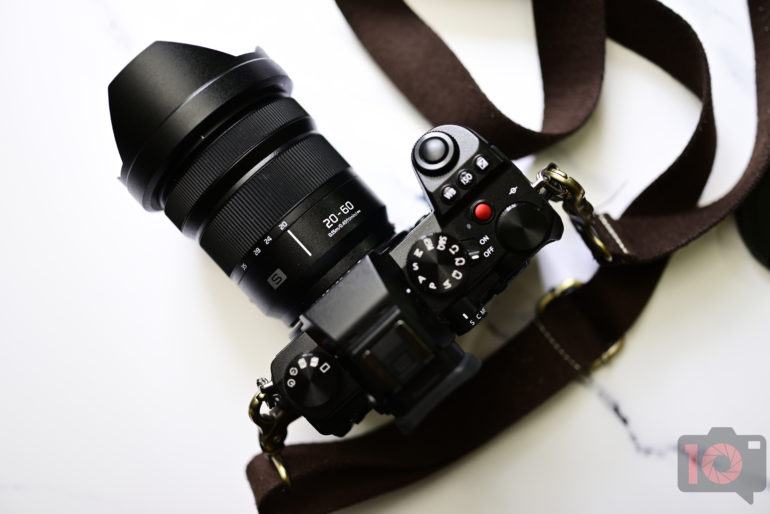
- Lightweight
- Nice colors
- Fast to focus
- Fun to use
- Weather sealed
In our review, we state:
Something else worth noting is that this lens is light. So when combined with the image stabilization in the LUMIX S5, it’s hard to get super blurry shots from camera shake.
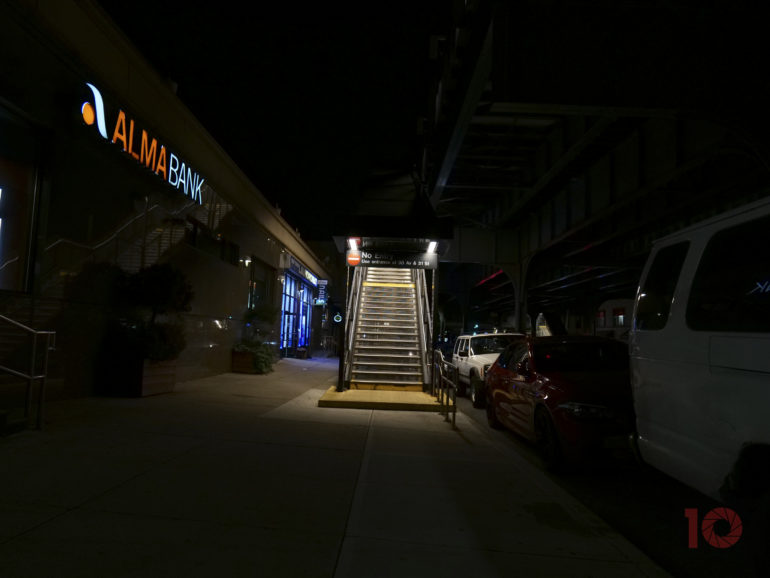
Lumix S 24-105mm f4 Macro OIS
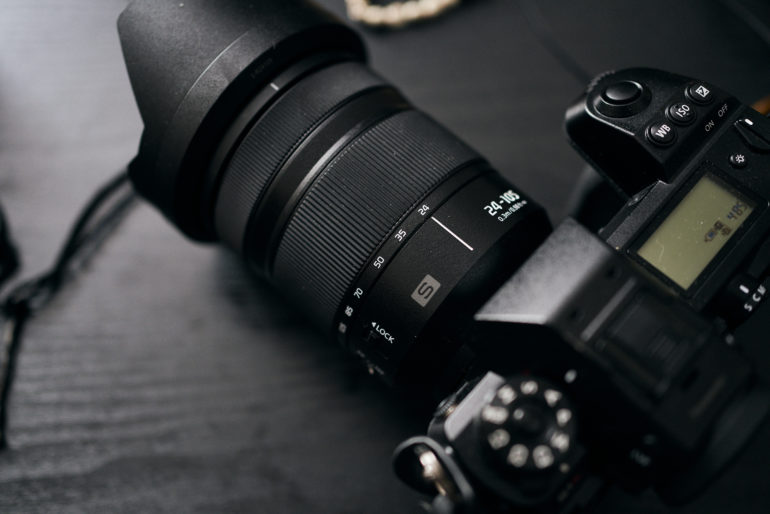
- Image stabilization is excellent in most cases, but most effective during the daytime
- Solid image quality, very sharp!
- Nice bokeh for portraits
- Very versatile
- Probably as compact as you’re going to get for this system
- Perhaps the best current option at this zoom range as Leica has nothing that is a constant aperture and Sigma’s lenses are clones of their DSLR options
- Built incredibly well
- Fairly priced
In our review, we state:
When it comes to shooting in very low light situations, the image stabilization from the sensor and the lens sometimes falls short of what a faster aperture can give you.

Panasonic 70-200mm f4 OIS Lumix S Pro
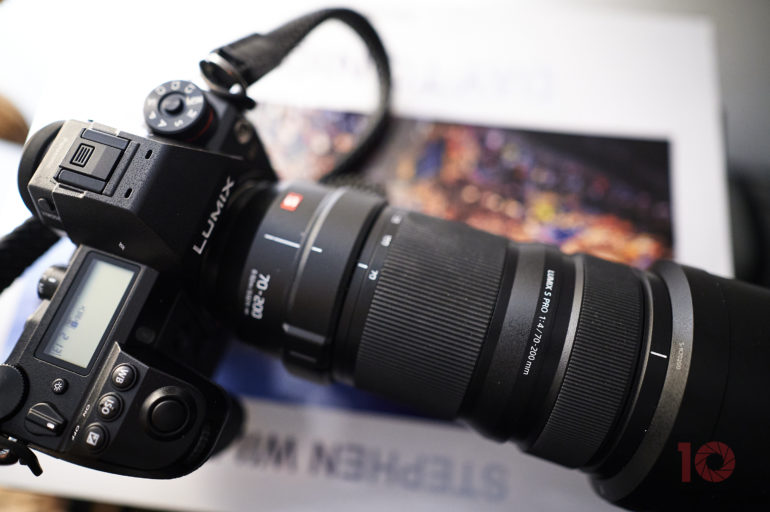
- Fairly compact for an L mount lens
- Weather sealed
- Very good image quality
- Pretty close focusing
- Beautiful bokeh
- Very usable for photojournalism; perhaps the most reliable optic I’ve used for it thus far
- Not terribly priced at $1,697.99
In our review, we state:
Then, there is image stabilization built into the lens that’s activated via a switch on the side. Before you shoot, you’ll want to check these two to ensure that your camera is going to act how you’d like it to. But otherwise, it’s a simple lens overall.

Panasonic 70-300mm f4.5-5.6

- Lightweight
- Weather-sealed
- Very sharp
- Gorgeous colors
- Great ‘Macro’ ability
- Fast, silent autofocusing
- Reasonably priced at $1,249.99
In our review, we state:
“Pair it up with a stabilized camera, and you’ll have dual IBIS capabilities. Hand-holding this lens out at 300mm with slower shutter speeds is easy.”
Using This Guide to Best Lenses for Photographers with Shaky Hands

If you’re considering purchasing anything from this list of the best lenses for photographers with shaky hands:
- All the product images and sample photos in these roundups are shot by our staff. In fact, we don’t talk about products at length in roundups like this unless we’ve done full reviews of them. But you can surely know that we’ve done all the research ourselves.
- This list of the best lenses for photographers with shaky hands includes a lot of options for a variety of photographers. We didn’t necessarily feel the need for a longer portrait focal length because a few of the lenses are more than good enough for most needs when it comes to shooting that subject matter. But otherwise, we were focusing on small, lightweight, rugged, and high-performance.
- Of course, all these lenses are zoom lenses with image stabilization.
- The LUMIX S5 II, LUMIX S5 IIx, and LUMIX S9 have incredible built-in image stabilization.
- Truly, you could create a whole kit for your LUMIX full-frame camera by buying all these lenses and therefore being all set.
- All of the best lenses photographers with shaky hands are weather-resistant. In fact, LUMIX has built that feature into all their Lumix S lenses. It means that they’ll last that much longer because they’re so much more durable while being lightweight.
- All of these lenses work well with any L-mount camera.
Picking the Right One For You
If you’re still a bit confused as to the right lens for you, here are some questions to ask yourself
- What’s your budget?
- How will you use the product?
- What lighting situations are you in, and how will that affect what you’re doing? Our reviews hyperlinked in this article can help with that.
- Are you traveling a lot with it?
- Will you be using it in a situation that’s a bit rougher?
- Who else uses this product? How are they using it?
- What’s so appealing about this product that I can’t get from what I have already or something else?
- When will I really have time to use this product?
- Where will I bring this product?
- How will this product help bring me joy and joy in my photography?
These are just a few of the questions that we ask ourselves, but we think that you should ask yourself these for sure.