


This year, the LUMIX S1RII hit the market. It was met with a lot of great reception that was very well deserved. The original camera had a sensor that made the industry really pay attention to what the company was capable of doing. And the newest variant is designed for performance and reliability in nearly every single way. We’re sure that if you’re reading this, then you’re probably considering switching camera systems. So let us be your guide!
This blog post is presented in partnership with LUMIX.
We’re going to say this right off the bat: this article is presented in partnership with LUMIX. But at the same time, we also are transparently stating that we don’t write anything we don’t truly believe in. Trust us, it has caused lots of friction in advertising campaigns with other advertisers. And if we don’t have the facts to back up what we’re saying, we won’t say it. These truly are the best full-frame cameras with a film look for good reasons.
There’s great news for you reading this: LUMIX lenses are small, lightweight, affordable, and they don’t skimp out on performance. With many other brands, there’s always some sort of compromise. But in this case, that doesn’t happen.
Why You Should Trust Us
The Phoblographer has been doing real-world photography gear tests longer than any other photography publication currently run. We also have the largest database of real-world lens reviews, amongst other things like straps, camera bags, lights, accessories, and more. Here’s why that matters:
- AI Can’t Do This Job: These days, other publications do roundups, sometimes using generative AI. That’s the same as a person researching products and then making a decision without actually trying it. All of our reviews and guides are written not just by humans but by working photographers — not AI. Computers don’t use cameras, so why would you trust AI to recommend cameras for you?
- Research and Practical Experience: Here at the Phoblographer, humans consult on what roundups to do with guidance from an editor. Then, a human goes through our database of reviews and selects the best products based on our own internal research. The human creating the roundup has practical experience with photography gear and will apply their knowledge of what’s best to the already human-based experience provided in our reviews.
- We Block AI Bots: The Phoblographer blocks indexing bots from reading our site, so what’s here can only be read here.
How We Test and Choose the Best Lenses for the LUMIX S1RII

- The Phoblographer’s various product round-up features are done in-house. Our philosophy is simple: you wouldn’t get a Wagyu beef steak review from a lifelong vegetarian. And you wouldn’t get photography advice from someone who doesn’t touch the product. We only recommend gear we’ve fully reviewed in these roundups.
- If you’re wondering why your favorite product didn’t make the cut, there’s a chance it’s on another list. If we haven’t reviewed it, we won’t recommend it. This method keeps our lists packed with industry-leading knowledge. Some of our stories include affiliate links. If you buy something through one of these links, we may earn an affiliate commission.
- When we test lenses, we’ve got various things in mind. First off, we consider who might want to buy the lens and what they might do with it. With that in mind, we try to tackle at least three genres of photography with that lens in a variety of situations. If the lens has weather resistance, then we’ll test it accordingly with a weather-resistant camera. We also test the autofocus of the lens in continuous mode, single mode, with exposure preview effects, without those effects, and then with all the major image quality parameters. These days, no one really makes a bad lens — but some are far better than others. The same applies to working with cameras.
- In this specific roundup, we’re basing our findings on the reviews that we’ve done. We’re choosing a favorite, but we’re also giving photographers a bunch of others that they might like, depending on how they shoot.
Why Choose the LUMIX S1RII

There’s great reasons why photographers would switch to LUMIX. In this case, the LUMIX S1RII is an excellent option for so many photographers. The company stuffed so much incredible technology into this camera that photographers are going to love. There’s multiple exposure mode, Real Time LUT, False color for exposure guidance, Live View Composite, and a whole bunch of other features. Here’s a tidbit from our full review’s conclusions:
- The modest megapixel count with the brand keeping it in the 40s for a balance of detail and high ISO output
- The in-camera creative modes
- The improved autofocus comparable to several other brands
- The weather resistance
- The big lens selection across the entire L-Mount alliance
- The overall weight
But you’re probably wondering: why choose this over the options from other camera brands? Well, LUMIX works very closely with third party manufacturers to the point where they’re confident in saying that their cameras have Godox compliance. On top of that, there’s Capture One support from day 1. Plus, the fact that they’re part of the L-mount alliance means that lenses from Leica, Sigma, and more will work with their cameras. Seriously, with a LUMIX camera, you’ve got nearly endless customization — and that comes partially from their beliefs held with the video division of the company.
This camera though? It knocked it out of the park in our review. You can check that out at will. But let’s get back to recommending lenses to you.
The Best Lenses For the LUMIX S1RII
Here are the lenses we think that every photographer
LUMIX S PRO 16-35mm F4
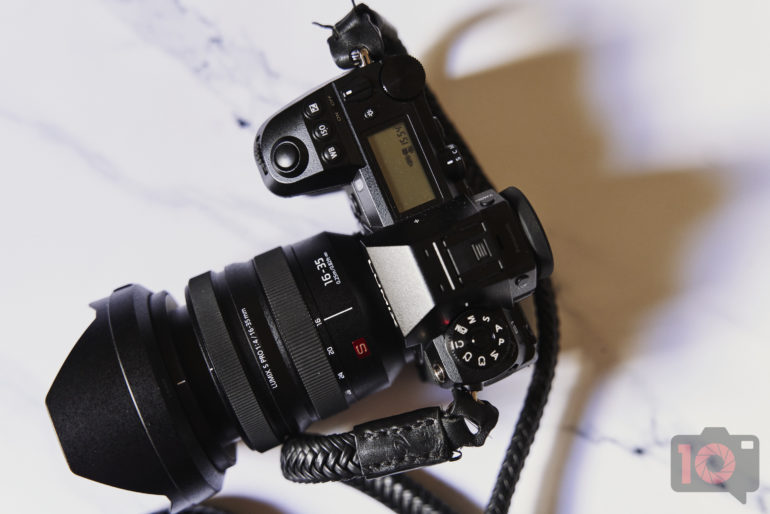
Every photographer needs something on the wider end that goes into the semi-normal field of view. And this is just that lens. Of course, you’re probably wondering why you wouldn’t reach for an f2.8 lens instead. Well, if you’re shooting an event, then you’ve probably got a flash mounted onto your camera. And if that’s the case, then the TTL and ISO output will compensate for it. We’d know, we do it all the time. Otherwise, you’d probably reach for a faster prime lens. In our review, we state that we loved the colors that this lens delivers, in addition to what it can do with the built-in monochrome modes.
If you shoot wide scenes often, get this lens.
LUMIX S 50mm F1.8
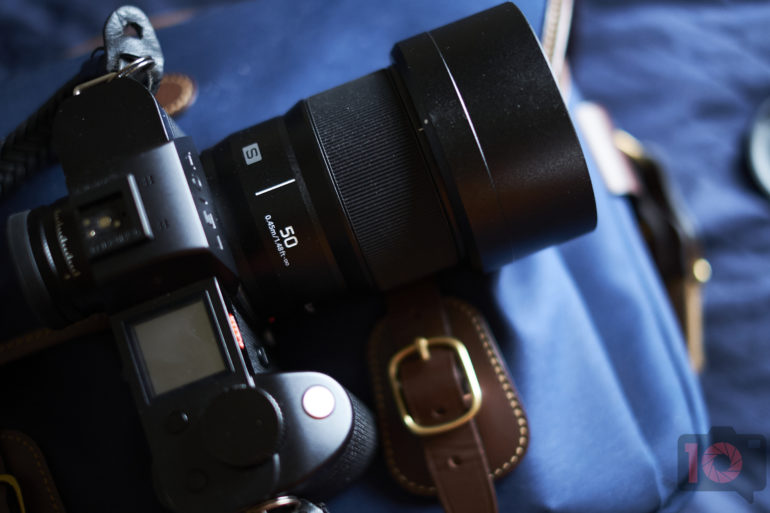
Why the LUMIX 50mm f1.8 S over the company’s very good 50mm f1.4 LUMIX S Pro lens? Let’s start with the weight. Practically speaking, if your clients aren’t looking at the images at 100%, then it’s not going to matter much. If you’re shooting for a magazine of some sort, then reach for the 50mm f1.4. But most photographers these days shoot photos that end up online or on social media. And for that, the 50mm f1.8 LUMIX S does the job in droves. It’s the faster of the two lenses to focus, lightweight, and pretty darned affordable. In our review we state how much we loved the bokeh too.
I’m not always the biggest fan of 50mm lenses — but I admit when they’ll give me the image quality that I need with the right amount of distance from my subject to capture candids. This one does it very well.
LUMIX S 35mm F1.8
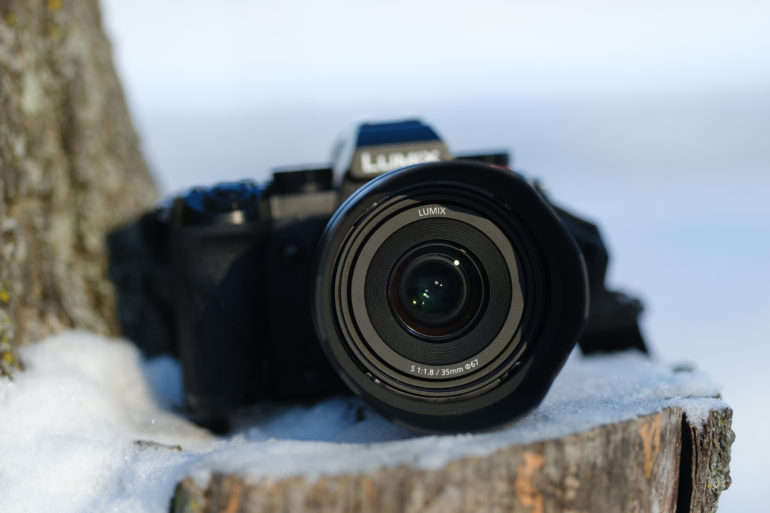
The LUMIX 35mm f1.8 S is the lens that I use the most. It’s the most versatile of all the company’s offerings and gives photographers the image quality they crave. On the side, I tend to shoot a lot of events and portraits. And photos shot with this lens have made my mind work in a way that yields me photos that put smiles on everyone’s faces. So if my clients aren’t complaining, why would a photographer? In our review, we stated how great the autofocus was as well as the sharpness.
No matter the genre you shoot, I think photographers should get this one.
LUMIX S PRO 24-70mm F2.8
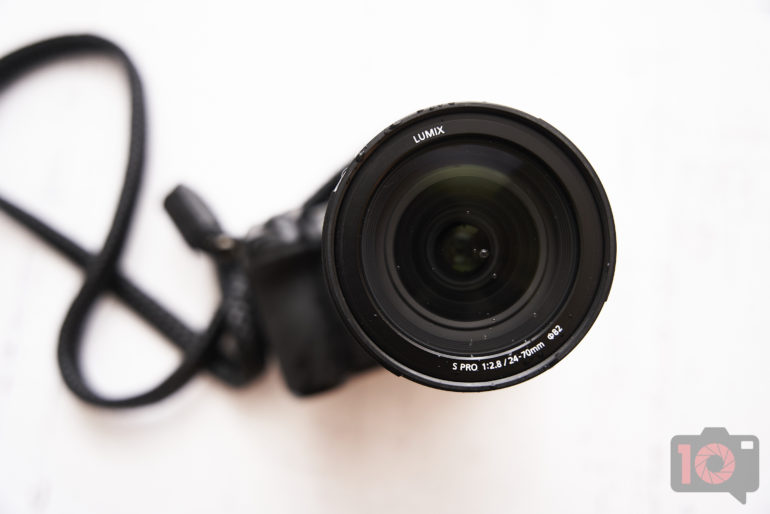
No professional photographer is complete without an S 24-70mm F2.8 lens of some sort. And thankfully, the one made by LUMIX is pretty incredible. This lens is really meant to do work — and you can feel that when you pick it up. Think of this as the one lens you’re going to rely on to do almost everything. In our review, we talked about how the 11 aperture blades gave us really nice bokeh. And if you combine the output with a flash, your subject is going to pop in ways you never would’ve thought possible.
Event photographers and photojournalists will really love this one.
LUMIX S PRO 70-200mm F2.8
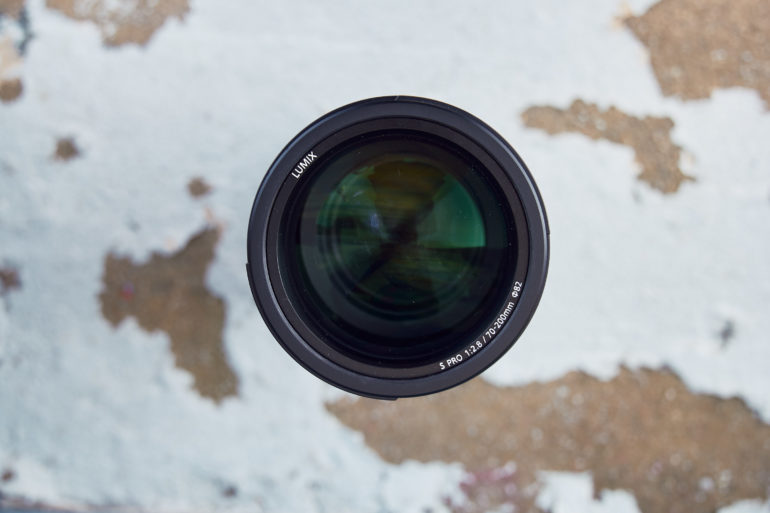
There’s a lot to love about the LUMIX S PRO 70-200mm F2.8. There’s 7 stops of image stabilization, weather-sealing, controls, nice color and bokeh, and reliability. In our review, we spent quite a bit of time talking about the bokeh balls and how really beautiful they are especially on the longer side of this lens. If you shoot portraits or events, this is the lens you’ll need to get.
Picking the Right One For You
If you’re still a bit confused as to the right lens for you, here are some questions to ask yourself
- What’s your budget?
- How will you use the product?
- What lighting situations are you in, and how will that affect what you’re doing? Our reviews hyperlinked in this article can help with that.
- Are you traveling a lot with it?
- Will you be using it in a situation that’s a bit rougher?
- Who else uses this product? How are they using it?
- What’s so appealing about this product that I can’t get from what I have already or something else?
- When will I really have time to use this product?
- Where will I bring this product?
- How will this product help bring me joy and joy in my photography?
These are just a few of the questions that we ask ourselves, but we think that you should ask yourself these for sure.