

Zoom lenses are pretty iconic in their own way. They not only allow you to achieve the desired image without spending too much time on cropping, but also offer the chance to be incisive in a crowded place. Over the year, there have been many zoom lenses that have exceeded expectations. However, today we examine a few options introduced in 2022 that continue to stand out. Have a look.
Sony 24-70mm f2.8 G Master II

The Sony 24-70mm f2.8 G Master II is the world’s smallest and lightest lens, weighing 695g and measuring 120mm. It also features 20 elements in 15 groups, including a maximum magnification of 0.32x. The lens is weather-sealed, and the autofocus is quite good. With the AF-C setting on, we missed only two images out of hundreds. The image quality is clinically sharp, which means that people who appreciate Sony’s high-quality image will enjoy this one. Photojournalists will certainly love this one.
Sony 70-200mm F2.8 GM OSS II
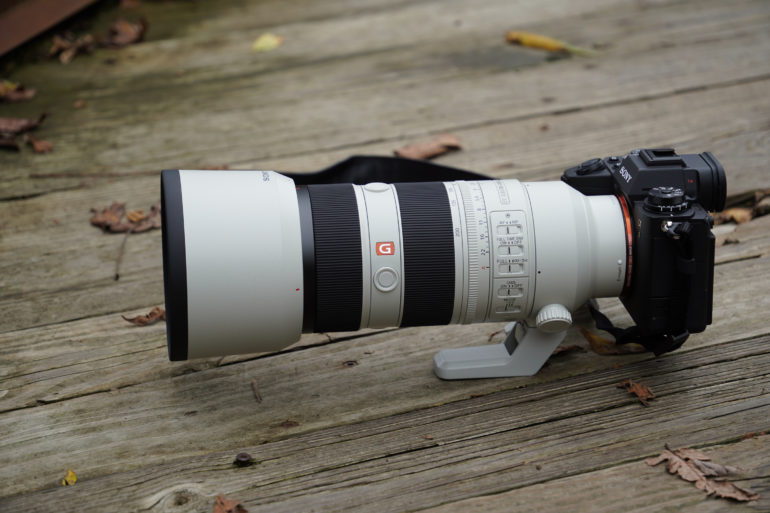
The Sony 70-200mm f2.8 GM OSS II uses an 11-bladed aperture, internal focusing, and is 30% lighter. It is also a few grams lighter than the Canon RF 70-200mm. There are four XD motoros, which also offer better autofocus. The lens is robust, is weather-sealed, and the autofocus, as marketed, is quite exceptional. As we said, “the lens seems very capable of keeping up with the a1’s fastest burst rate.” The image is also technically perfect. The lens is exceptionally sharp, offering creamy bokeh, vibrant colors, and JPEGs that require minimal retouching. Overall, it is a lens that will help you get the best results, and that’s why it also won the Editor’s Choice Award.
Olympus 150-400mm f4.5 Pro

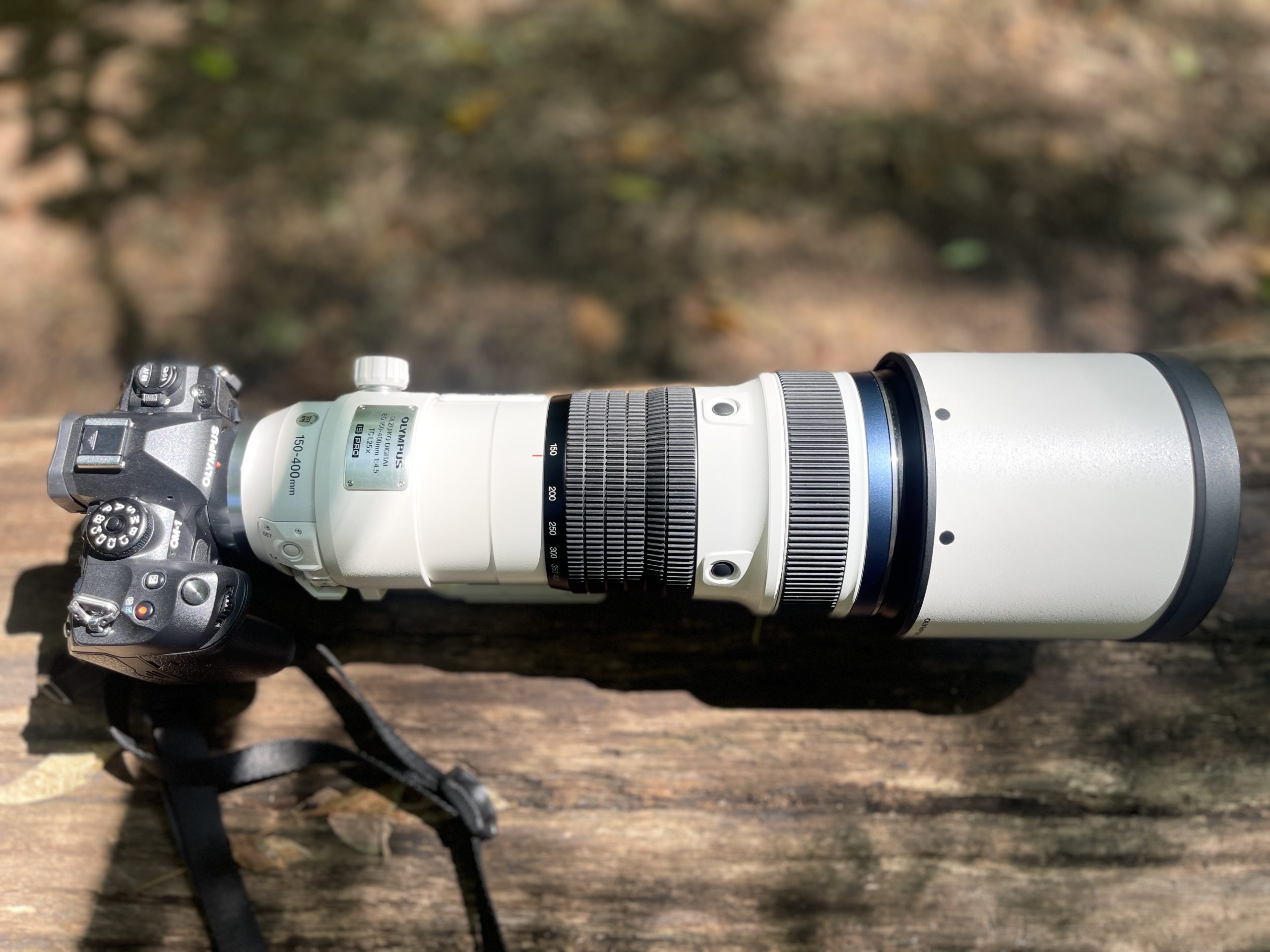
The Olympus 150-400mm f4.5 PRO features 28 elements in 18 groups, 9 rounded blades, and a built-in converter. The latter makes the 150-400mm equivalent to 300-800mm. The lens is weather-resistant and features a magnification range of 0.12x to 0.29x. The lens is able to capture different subjects, including birds. For instance, in our test, we paired the device with OM-1, and we were able to capture a pigeon’s movement with ease. The image is beautiful, with the camera producing stunning bokeh and colors. As we said in our review, “Personal thoughts aside, the Olympus 150-400mm f4.5 PRO is a must-have for birding and wildlife photographers. It’s arguably one of the most capable lenses on the market today.”