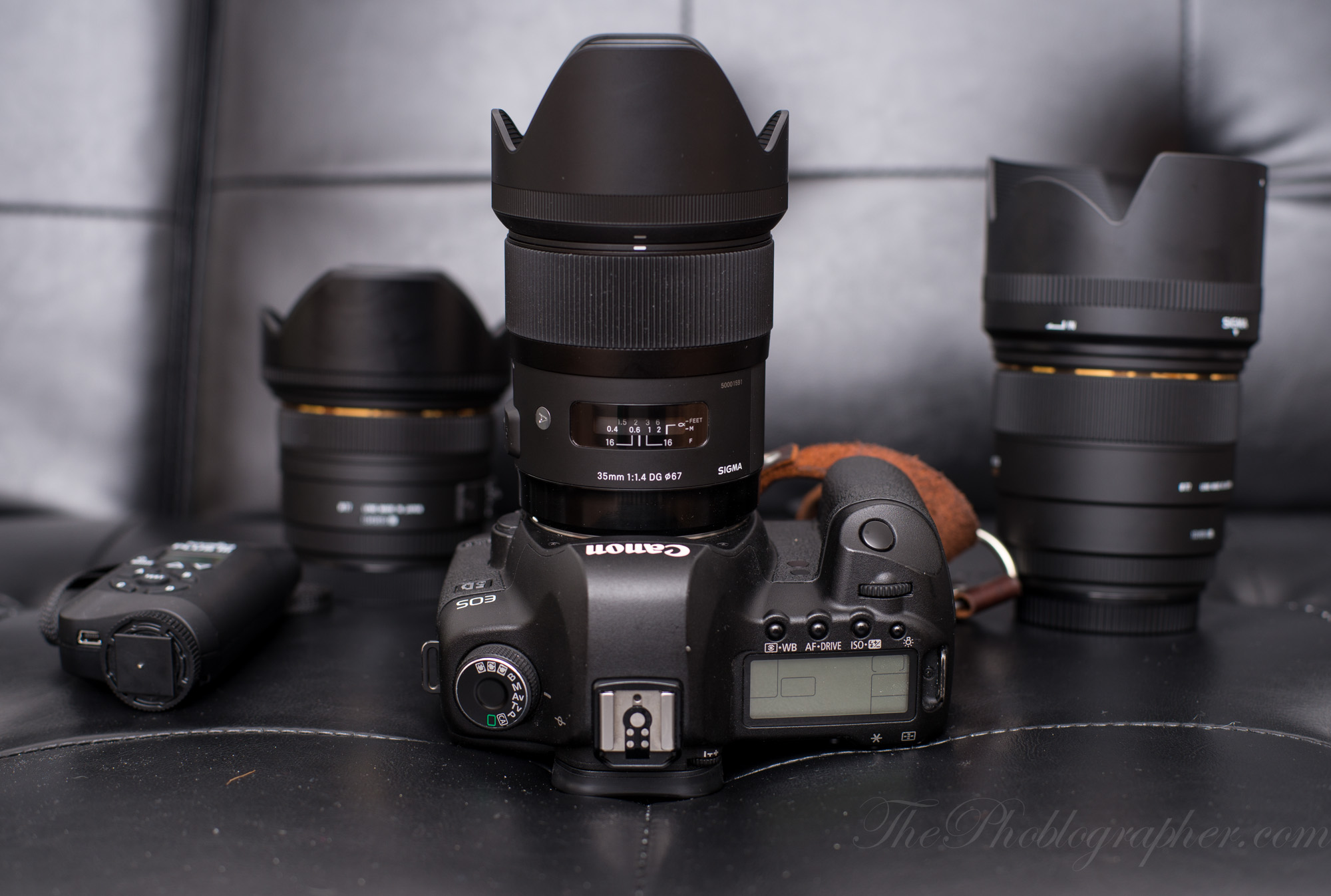
With the world being what it is, we’ve been looking at older and retro cameras for inspiration in the same way that people have searched for it before. Many modern cameras make photography very easy, so much so that we don’t often need to think all that much anymore. And if we don’t need to think anymore, then why have us at all? Well, that’s the concern of so many photographers. Thankfully, DSLRs like the older Canon 5D Mk II are still very capable. Many years ago, I called it the perfect DSLR that Canon made. I even chose it over the third and fourth iterations. And here’s what you should know about it.
Summary
- Files from the Canon 5D Mk II are still very easy to edit in Lightroom
- Canon’s metering from back then makes a photographer want to overexpose because it, by nature, underexposes the image
- The autofocus of the camera is awful compared to what we have today
- There aren’t a lot of details from the RAW files when you try to zoom in 100% in Lightroom
- The color versatility is still very good
- The Raw file versatility isn’t all that bad
- It’s a pretty affordable camera.
Why Get a Canon 5D Mk II in 2025?
So, what are the reasons why you’d get the Canon 5D Mk II in 2025? Well, here are a bunch:
- It completely removes things like subject and face detection
- You often have to use just the middle focusing point and then recompose unless somehow or another you’ve nailed the focus with the out-of-focus points.
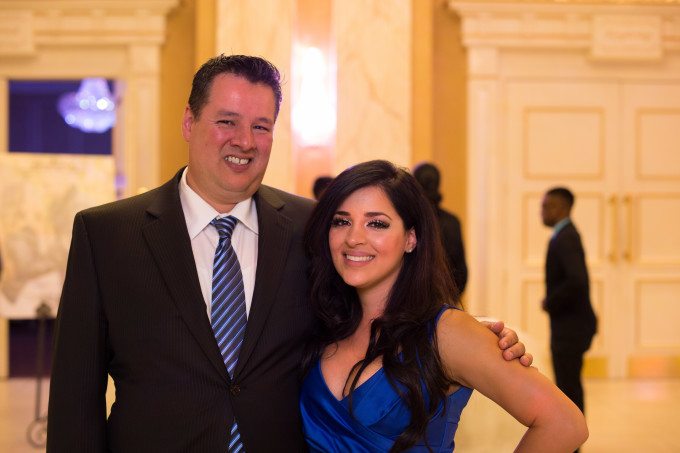
- The lower resolution of the lenses and the sensor gives you much better-looking skin compared to today’s cameras
- Looking through an optical viewfinder is a great way to escape looking at screens the way that we do all the time now — providing that you’ve got the eyesight and the right diopter adjustments
- It will force you to shoot fewer frames, especially if you’re shooting only one frame a second
On top of all this, the Canon 5D Mk II comes from an era where we put a lot more emphasis on stills over video. And specifically, it only shot 1080P HD video at 24p and 30p.
But perhaps best of all, it makes you work for your photographs in a way that modern mirrorless cameras don’t make you do. For example, there’s the removal of the exposure preview mode — which can be disabled in mirrorless cameras, but most people don’t do it. On top of that, you’re much more inclined to shoot a single frame a second because the shutters tend to be much more loud compared to mirrorless cameras. So in every single way, you have to be a lot more intentional about shooting with this camera than you do with even some of the earliest mirrorless full-frame cameras.
I can say from experience that when I started using the earliest Sony a7 series cameras, I was in love with the eye-detection autofocus that made composition and focus so much better. DSLRs didn’t have that — and so subjects shot with DSLRs often tended to be gravitating more towards the center of the frame.
As much as that breaks many traditional photography rules, there’s something about how beautiful those images looked from back in the day.
Sample Images