

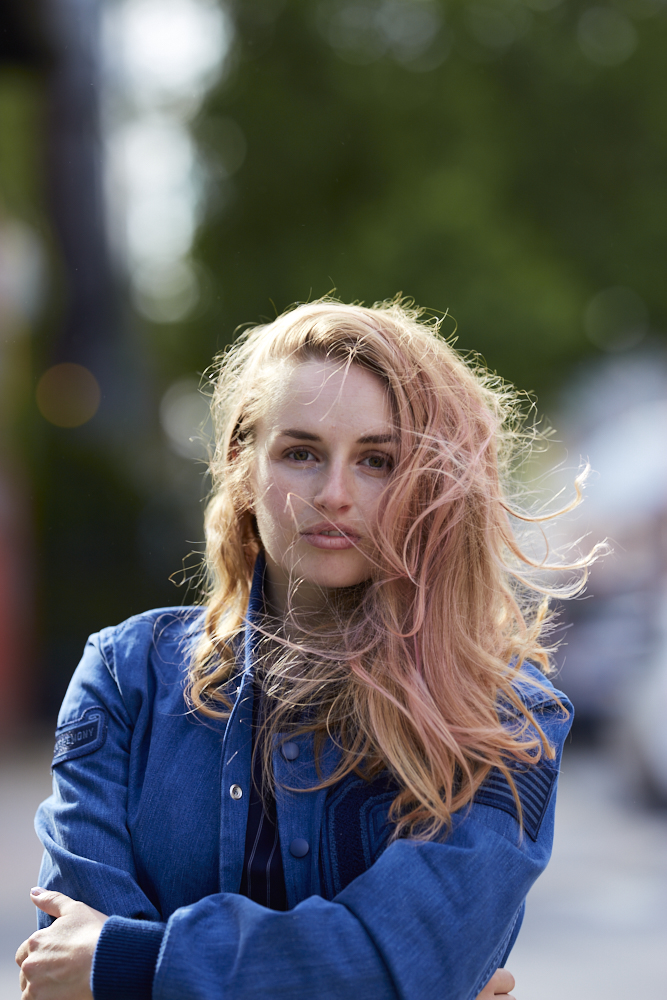
Back in 2017, I remember reviewing the Sigma 135mm f1.8 Art lens for Canon EF. And to this day, I consider it to be seriously one of the best 135mm lenses that I’ve ever tested. Granted, they’ve also got the new 135mm f1.4 for mirrorless. That lens is also beautiful. But there’s something about the way that the bokeh looked, the colors rendered, and way that it worked with Canon sensors that gave it such a hypnotic look.
The lens received the site’s Editor’s Choice award for various reasons. First off, it was the first 135mm lens for the Canon EF system that was faster than f2. Plus, it delivered autofocus while also setting itself up for giving a more muted color palette that photographers know they’d want to edit. It could’ve used more weather resistance and it also could’ve gotten rid of a bit of the flare control. But otherwise, there’s a lot to love about this lens.
So why do we bring it up? Well, everyone really wants older, classic lenses to get a different look of some sort. And if you’re going for a 135mm with autofocus, then this is the best one to get. Otherwise, you’d reach for the Zeiss 135mm f2 Apochromatic.
Even today, the new Canon 135mm f1.8 L looks kind of flat. And when I look at a comparison the site did with various other 135mm lenses we’ve tested, there’s no comparison. So many other brands make better versions.
What could’ve made a lens like this even better (if it were made today) would be some sort of chromatic aberration control. This is something that I’ve been asking manufacturers for for years because standard lenses all tend to look the same. And the truth is that they all look stale and easily replicated by generative AI. So we need more lenses that do something different and unique.
Heck, why not even let me shape the bokeh within the lens?