

Zoom lenses are perfect for many users. They give you extra reach, can be compact, and provide an exciting depth of field. While there are many options to choose from today, we present to you a few lenses that have been launched over the past two years. They continue to hold market value, and the tech is not too old, which means you can use them with your latest gear with ease. So, what are you waiting for? Scroll away.
Sony 16-35mm f2.8 GM II
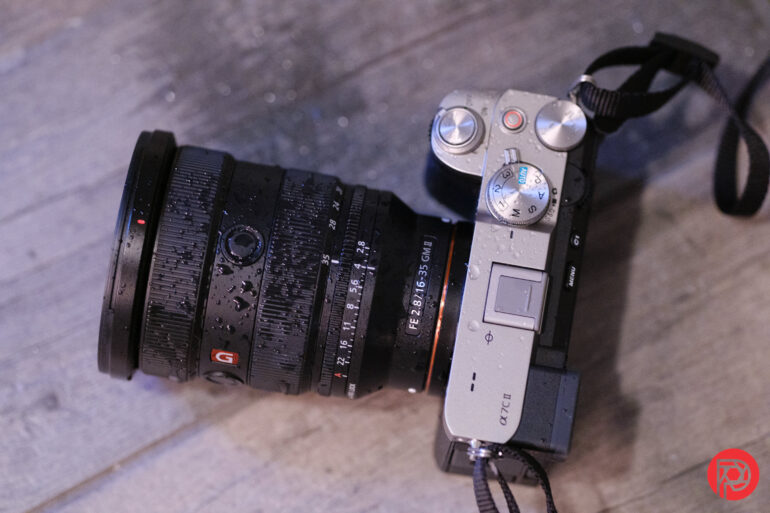
The Sony 16-35mm f2.8 GM II features multiple glass elements. For instance, five aspherical elements, two extra-low dispersion elements, three “XA” extreme aspherical elements, and one Super ED element. It has 11 aperture blades, 0.32x magnification, and a minimum focusing distance of 0.7feet. The lens is lightweight, nice and sharp, and the bokeh is round. The autofocus is speedy and quick, and the image quality is quite good. There is stabilisation and also weather sealing. As we said in our review, “The Sony 16-35mm f2.8 GM II met and even exceeded some expectations. But, it doesn’t render much lens flare, which is excellent if you want near scientific accuracy but doesn’t bode as well for character.”
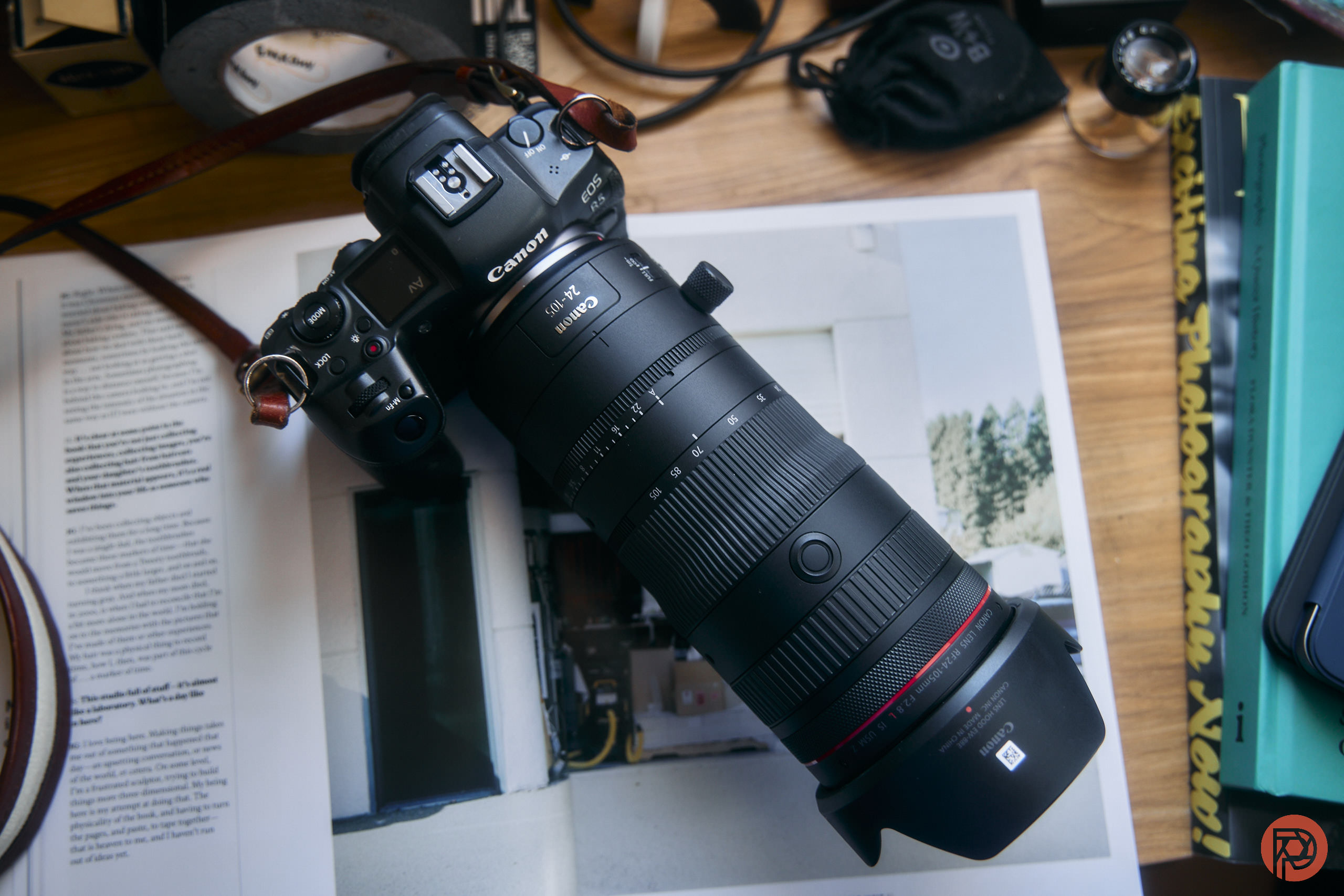
Canon RF 24-105mm f2.8 L

The Canon RF 24-105mm f2.8 L is another zoom lens that is perfect for portraiture, events, and more. The lens has 5.5 stops of optical image stabilization, has 23 elements in 18 groups, and includes 4 Ultra-Low Dispersion elements and 3 aspherical elements. There is also a magnification of 0.08 to 0.29x, a minimum of 1.5 feet, and it weighs 1.3kg. The focus is fast, snappy, and accurate. “In fact, I didn’t miss a single shot with this lens at all,” as we said in the review. There is plenty of sharpness, which is great for various genres. The bokeh is nice, and so are the colors. “Considering the autofocus, build quality, responsiveness, and image quality, this is the best Canon lens that we’ve seen from a technical standpoint,” we added.
Tamron 50-300mm F4.5-6.3 Di III VC VXD

The Tamron 50-300mm F4.5-6.3 Di III VC VXD is the last zoom lens on the list, making it perfect for travel and wildlife photographers. Designed with 19 elements in 14 groups, the lens features a magnification ratio ranging from 1:2 to 1:3.1, with a minimum focusing distance of 0.22m. The lens features 9 aperture blades and measures 5.9 inches. The 50-300mm lens is fast, especially when paired with Sony lenses. There is also better image quality, which is not sterile like Sony lenses. Instead, you get a good texture of the skin and the bokeh is nice enough to make the subjects pop out. As we stated, “Most lenses in this category start at 70mm, but at 50mm, you’ve got more versatility. You can truly go from shooting far away things to pretty close things with relative ease.”