

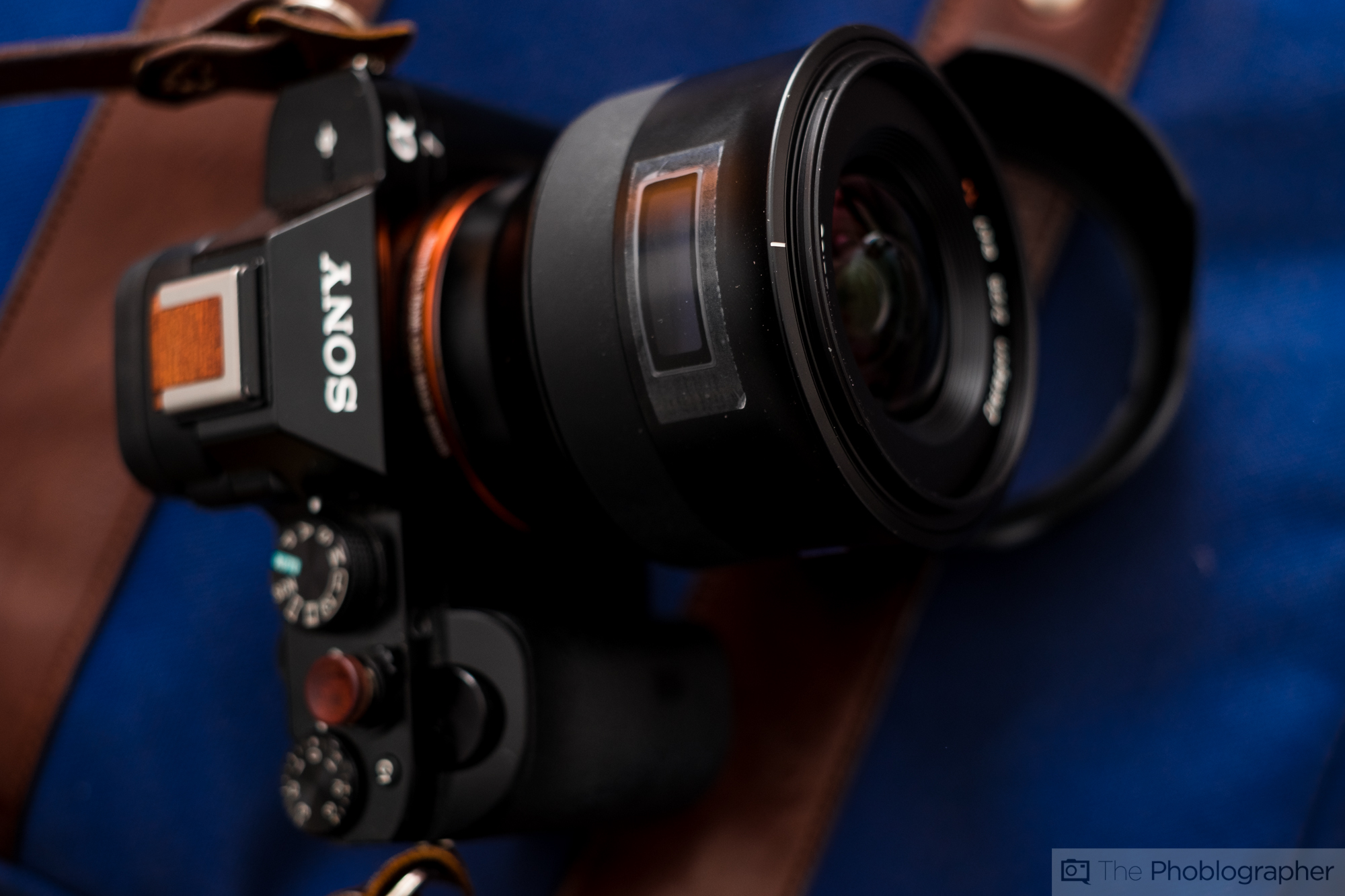
Young photographers have a wide range of options to choose from. They not only get the opportunity to buy vintage cameras and lenses from decades ago, but also newer tech that allows them to bring their vision to life. However, the latter can be a pinch on your pocket, with third-party lenses being the only way out. If you use a mirrorless camera, these older lenses can be of assistance with the right converter. Thus, lenses in the 20mm to 25mm range can be great if you are into street, astrophotography, or environmental portraits. Without further ado, let’s dive in.
Sigma 20mm f1.4 DG HSM Art
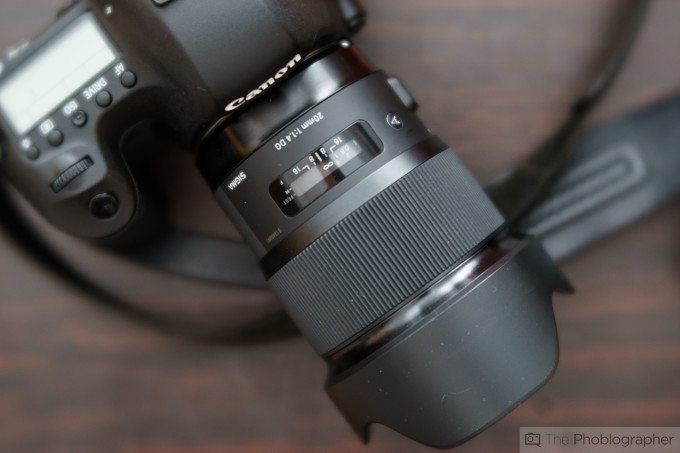
The Sigma 20mm f1.4 is an exceptional contender in this range. The lens features a 1:7.1 reproduction ratio, 9 rounded aperture blades, and a minimum focusing distance of 0.28 meters (10.9 inches). Despite the lack of weather sealing, the lens is built well, and the company has added a new texture to the buttons. The lens never misses focusing, despite being this wide. The image quality is superb, as the lens provides super-saturated colors, sharpness, and incredible bokeh. Overall, it is a great package.
Carl Zeiss 21mm f2.8 Loxia
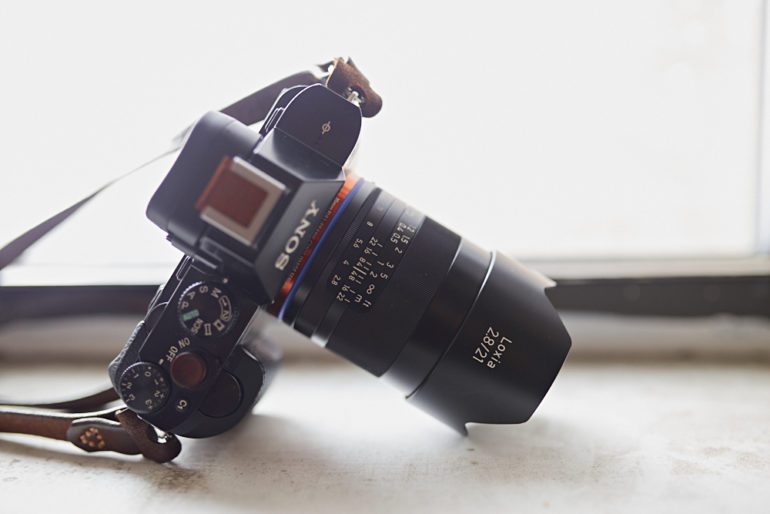
The Carl Zeiss 21mm f2.8 Loxia is a manual lens, featuring multiple markings and controls to make your life easier. Designed with 11 elements in 9 groups, including a focusing distance of 0.25m. The device weighs 394 grams, is weather sealed, and measures 72 millimeters. There are two rings, focus and aperture, and you also get a depth of field scale. With Sony’s focus peaking, you can easily pull your scene into focus. The image quality also offers character, but “it’s less uber-saturated and more standard.” You also get immense sharpness, and there is no visible distortion.
Nikon 24mm f1.8 G
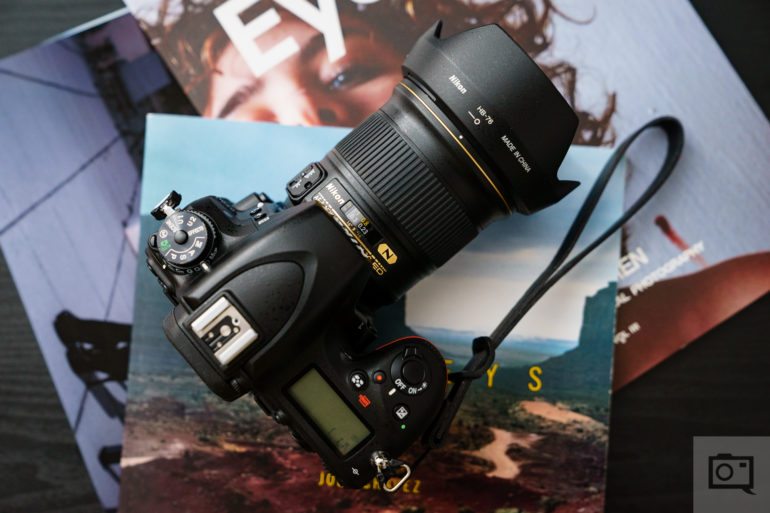
Nikon 24mm f1.8 G is the third offering in the 20mm range, which has earned praises from photographers. The lens has a minimum focusing distance of 0.75ft, 12 elements in 9 groups, and comes with 9 aperture blades. Ergonomically, the lens is small and lightweight, but it lacks weather sealing. The 24mm also makes up for it in the autofocus department, where it can focus on everything, whatever the lighting situation. The image quality is on par with competitors, and the bokeh is creamy and smooth. As we said, “Nikon’s colors are punchy though still natural. They’re not quite like Fujifilm or Sony; but the colors are very nice. Use them with Nikon’s camera color profiles for the best results.”
Carl Zeiss 25mm f2 Batis
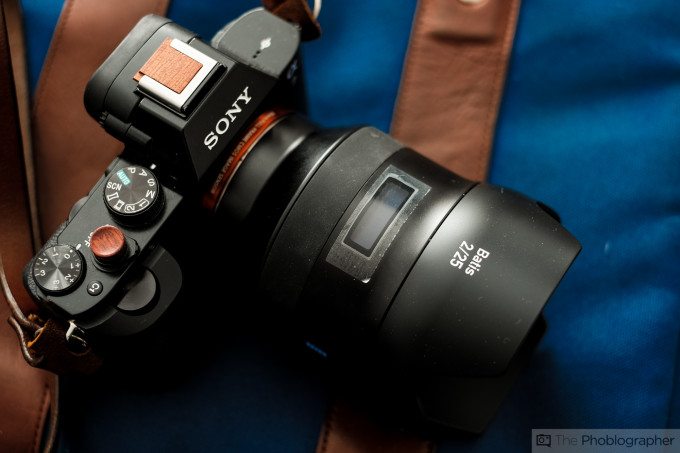
The Zeiss 25mm f2 Batis features a 7.87-inch minimum focusing distance, a 1:5.2 maximum magnification ratio, and it features autofocus. The lens lacks controls like Loxia; instead, you get an AF/MF switch. It is built well, and there is a digital display panel at the top. The autofocus is quick, and you can set it to any focusing mode to get good results. The image quality is also great, which means you get sharpness, contrast, and the best color rendition. “When you get that bokeh, you’ll see that it’s quite lovely and significantly better than any other equivalent wide angle offering that we’ve tested,” we explained.