


Third-party Japanese lens makers have earned their spot in the lens market. Companies such as Tamron have been trying to offer a valuable service to photographers while ensuring they achieve the best image quality. If you’re looking for a second lens or a budget-friendly option, these Tamron choices may be of assistance. Have a look.
Tamron 20mm f2.8 Di III OSD
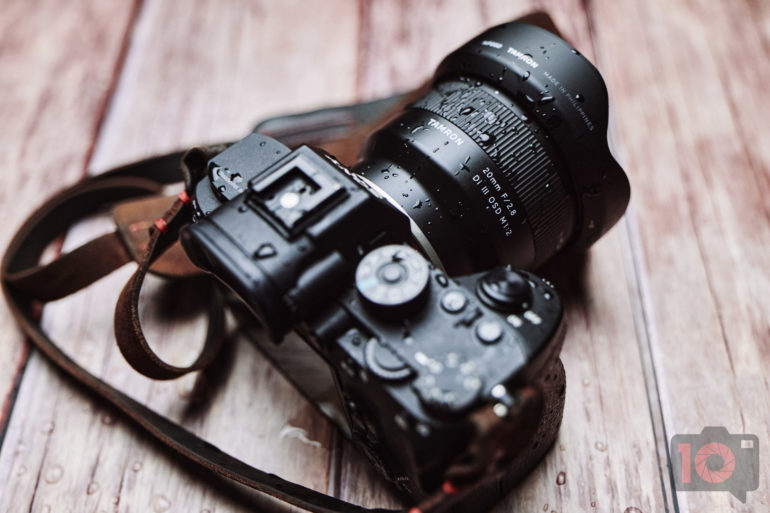
The Tamron 20mm f2.8 Di III OSD offers a 94° angle of view, has 10 elements in 9 groups, and a minimum focusing distance of 0.11m. The lens offers 7 aperture blades, 73mm diameter, and weighs 220g. It has a simple design, a single focusing ring, and is small. The build is quite impressive for its price, and the autofocus performs well in both good and poor lighting conditions. There is some image distortion, but it can be corrected. The colors are also saturated, and leave enough room for editing. Plus, there is a sharpness to make your life easy.
Tamron 24mm f2.8 Di III OSD M1:2
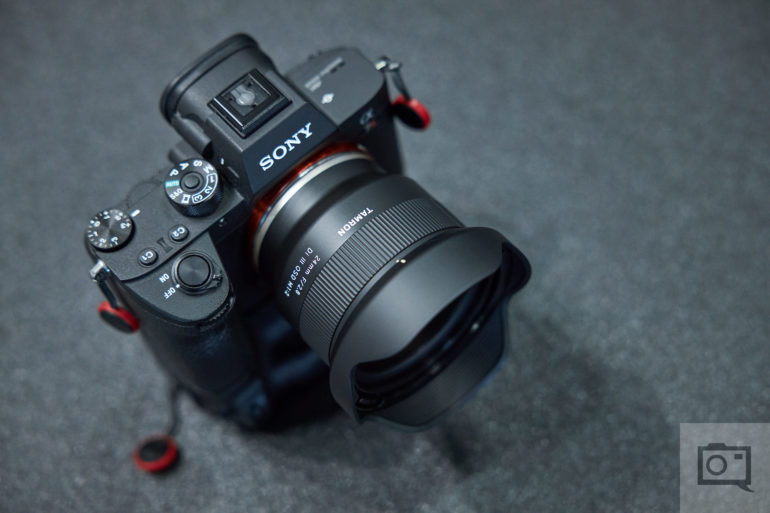
Tamron 24mm f2.8 Di III OSD M1:2 is another wide-angle lens that houses 10 elements in 9 groups, has a 67mm filter head, and comes with 7 aperture blades. There is a minimum focusing distance of 4.7 inches, and it is bundled with flower-shaped hood. There is weather sealing, and the build is robust, too. For most sitaitoons, the lens is quite fast, but you will see a drop in AF performance in low light. The image quality is good, and because of a close focusing distance, you can also get pleasing bokeh. As we said, “Colors rendered by the Tamron 24mm f2.8 Di III OSD M1:2 are vibrant and true to life. You’ll be consistently rewarded with pleasing images as long as they are properly lit and your white balance is set correctly.”
Tamron 35mm f1.8 Di VC
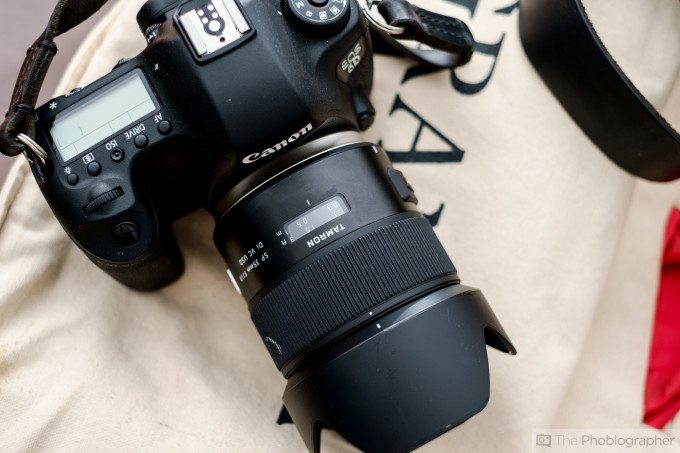
The 35mm f1.8 Di VC is a perfect lens for street and documentary photographers. The lens features 9 rounded aperture blades, a 7.87-inch close focusing distance, and a maximum reproduction ratio of 1:2.5. The design is intended for advanced amateurs and enthusiasts, and it comes with image stabilization. The 35mm has a quick autofocus, and it is better with center focusing; close focusing is also fun. It offers good bokeh, but the sharpness could have been better. As we said in our review, “What we’re also a big fan of is the color rendition. The lens tends to give us warmer images than what we’re used to–and actually we like that.” If you let go of the sharpness, then you get a good lens.
Tamron 90mm f2.8 Di VC USD
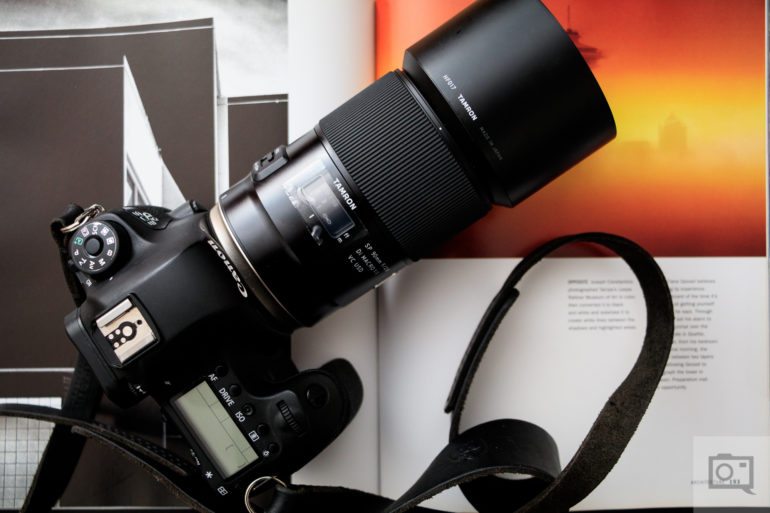
The 90mm f2.8 Di VC USD is a jack of all trades. It is perfect for both macro and portraits. Created with 14 elements in 11 groups, the 90mm lens features 1:1 magnification and a minimum focusing distance of 11.8 mm. There are 3.5 stops of vibration reduction and weather resistance, which is most welcome. The autofocus is great, and in low light, you’ll only miss a few. As we added, “The portrait, macro, and landscape photographers who are seriously looking at this lens will have no problems, though. Nor will the wedding photographers–getting that ring shot will be a fair piece of cake when you combine all this with a solid flash.” The image quality is worth singling out for praise; it is sharp, contrasty, and you get creamy bokeh. It is a package.