

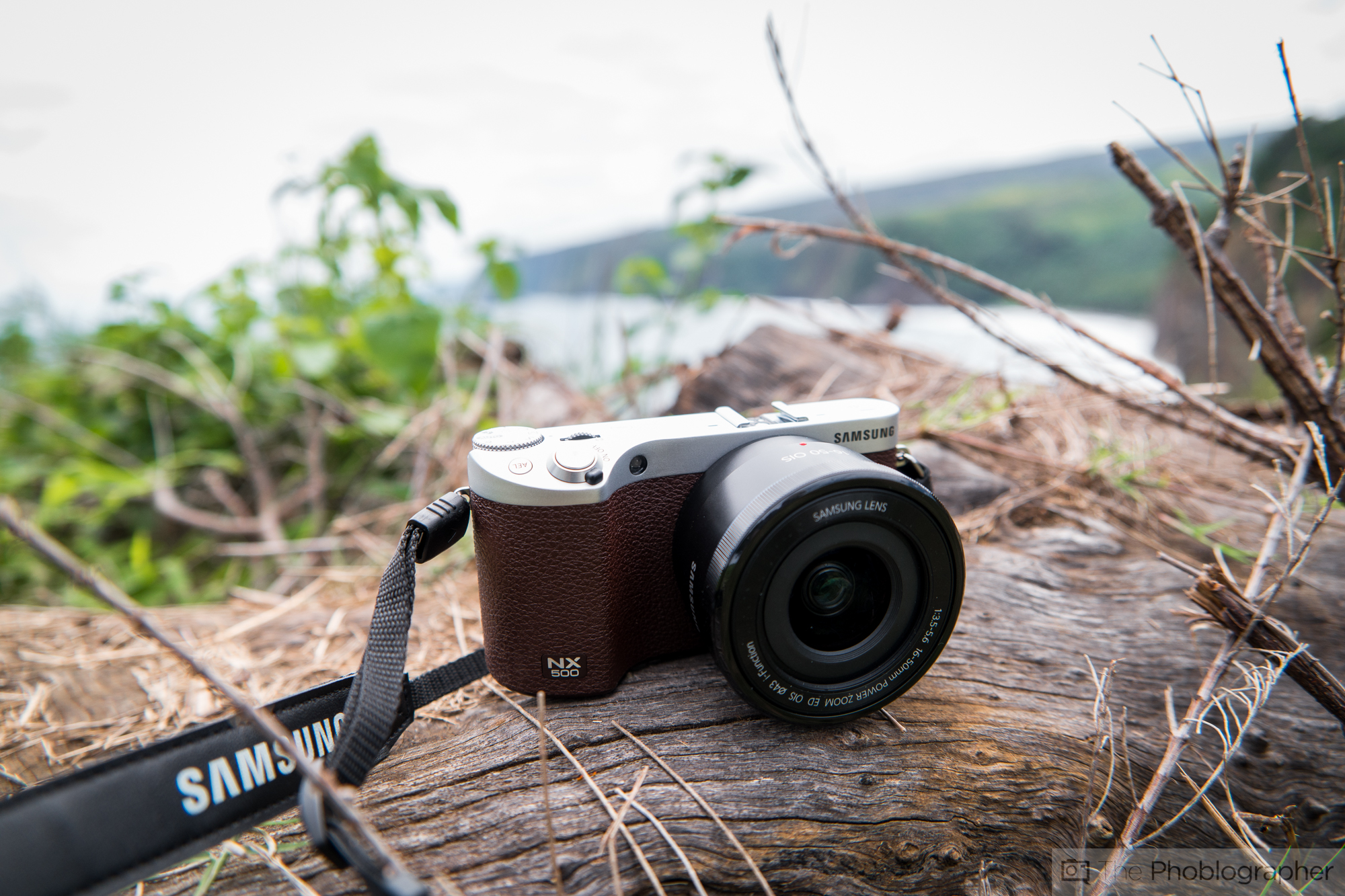
Samsung has been in the camera industry for a while, and by that, we mean the time when they created SLR and mirrorless cameras. However, the company’s vision lasted a short while, beginning around 2006 and ending before 2020. While they gave us numerous exciting models, such as the GX-1S, the NX1, and the NX3000, the company also worked on a camera that is now forgotten from our collective memories: the WB2200F. How does this go against Nikon in the most curious ways?
Samsung introduced the WB2200F at CES 2014, a year before Nikon launched the P900 series. The company presented the WB2200F as a robust 60x zoom device, designed to resemble a DSLR and featuring a vertical hang grip. It was also a “premium” camera that was designed to have longer battery life, an EVF, and various smart modes for enthusiasts, such as ‘Sunset’, which makes photography easier. Sounds a lot like their cellphone cameras? Yeah. It did. The difference was that it featured a bigger sensor than a smartphone: a 16MP 1/23-inch BSI CMOS sensor. Some of its other features include:
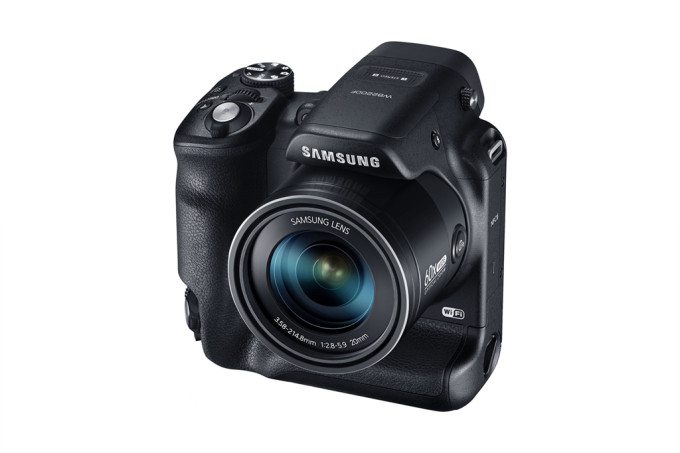
- 20–1200mm lens
- 1080p/ 30fps video recording
- SMART Mode: Beauty Face, Continuous Shot, Landscape, Macro, and Panorama
- i-Function Control, Dual Grip, Full Manual Mode
- Wi-Fi and NFC integration
However, despite the camera sporting multiple features, the Samsung WB2200F did not win over the market. A year later, in 2015, Nikon introduced the P900, which featured the same sensor as Samsung but had a far longer zoom: 24-2000mm.
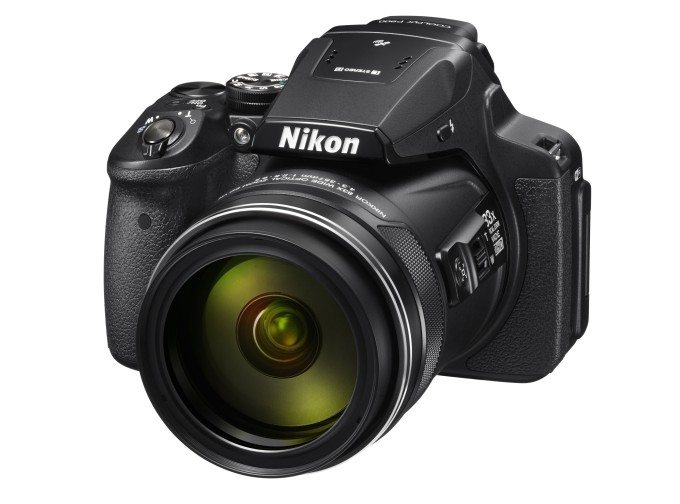
Similarly, Nikon also offered full HD videos, but it was slightly heavier than Samsung’s offering (608g) at 899. However, when it came to better, the autofocus performance was. Per multiple reviews, the Samsung WB2200F may have been an exciting camera, but its autofocus performance struggled to capture moving subjects or when zooming. In addition, Nikon had the upper hand due to better stabilisation. Nikon featured Dual Detect Optical VR, which is effective with extreme zooms.
Nikon’s branding also positioned the P900 as the ultimate bridge camera for travel and birding enthusiasts. However, while the P900 won, the entire bridge camera industry and small sensor cameras were facing a collapse. The P1000 was announced in 2018 at $ 1,000, but by then, the camera industry was pivoting to mirrorless, leaving most small-sensor cameras behind. However, post-pandemic, there has been a shift in the market, with Nikon introducing bridge cameras, such as the P1100.
This raises the question: Had Samsung not quit so early, would we have seen something exciting from them in recent years? Perhaps, we may have. Lest we forget, their NX series was ahead of its time, offering versatile RAW files, compact build, vivid colors, and exceptional performance. Unfortunately, Samsung favoured the rise of smartphones over a niche business. And one can’t blame them. However, if they wish to make a return, many brands will be closely watching them.