

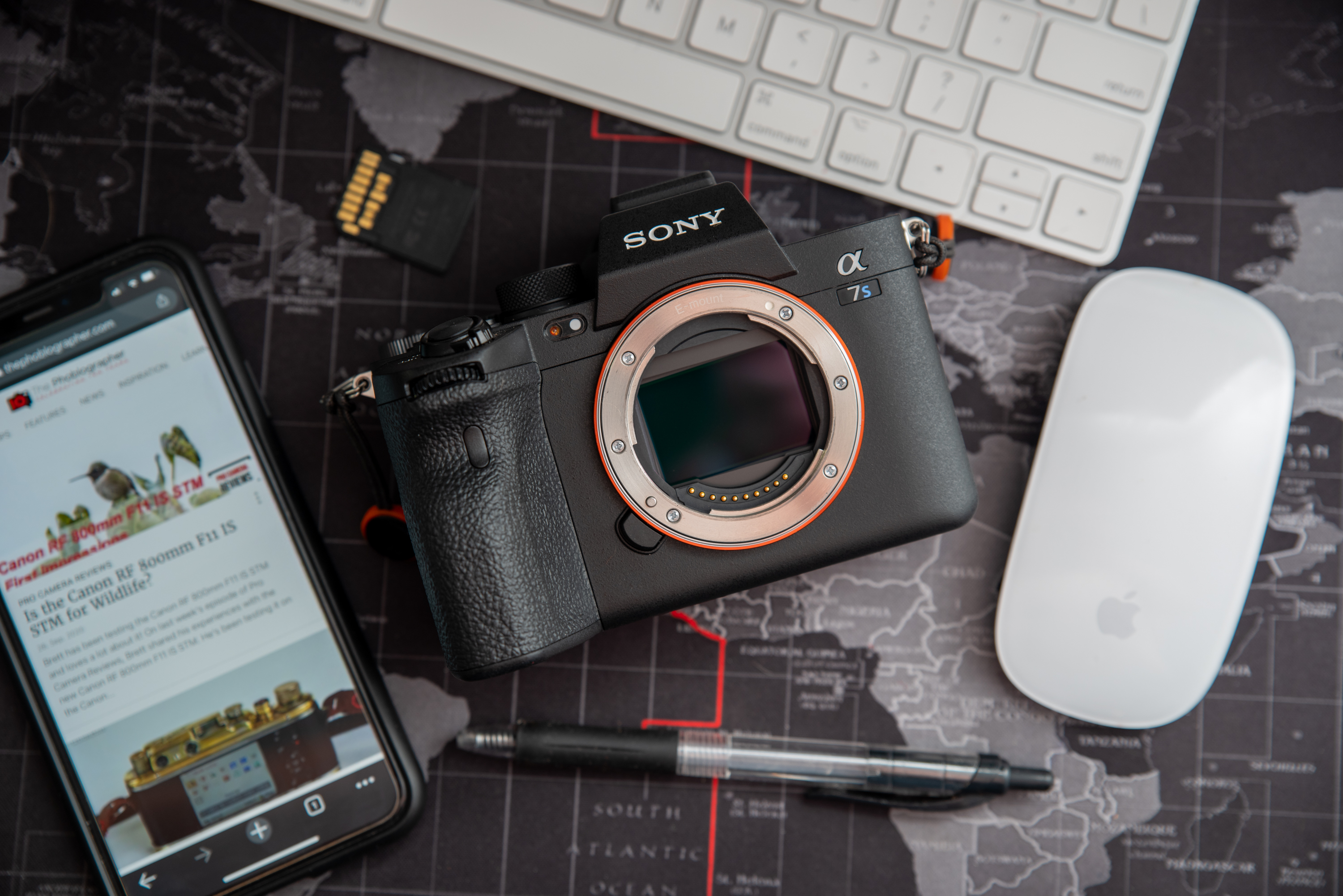
When the Sony a7s III was launched, I truly thought it was quite odd. If anything, it felt like the brand put the camera out and didn’t try to do much to change it or improve it. The 12MP sensor can output very clean high ISO imagery, but what photographers needed more was resolution and the high ISO output. Instead, I feel like Nikon, with the Nikon Zf, put out the real Sony a7s III. The Zf is capable of shooting at super high ISOs while giving you clean and useable images. To this day, it’s still perhaps my favorite high ISO camera on the market.
If Sony were to come out with the Sony a7s IV, I think we’d all demand higher resolution for sure. And since the brand has an entire lineup of cameras for video shooters, this one wouldn’t have to lean super hard into shooting video. Instead, it could be like a mini Sony a9 III. Instead of a global shutter, it could just offer much better high ISO image quality.
In fact, it should be cleaner. In our review of the Sony a9 III, we noted that Panasonic, Nikon, and Leica cameras all make 24MP images shot at ISO 6400 that are cleaner when printed. More importantly, these cameras don’t lose details when shooting at higher ISOs.
So why is this important? Well, there’s lots of reasons:
- Night shoots without flash: like when photographing wildlife
- Night shoots when shooting photos of events and people at night
- Sports photography and being able to shoot things that weren’t possible before in low light
- Clean images for astrophotography
More than anything, this is about shooting photos at night. Lots of portrait photographers, landscape photographers, event photographers, wedding photographers, and more do this. And when they shoot, they’ve been working to underexpose their images and then bring the shadows back in post-production. But they should also not need to do a lot of work to get rid of image noise. At this point, 24MP camera output from full-frame sensors should be the standard for clean high ISO output.