


I think we all know the look — those images that appear to have been done with 2nd curtain flash that caused a ghost trail are all over social media. To many, this wasn’t attainable. Several new photographers out there only swear by using LED lights and tap into looking what the camera gives them, and not seeing with their imagination. Let’s be honest here, flash and strobe look down on other lights like butter looks down on all the other condiments in the fridge. But with this said, we can’t get over just how cool the new PrismFX GhostFX filter is. By putting this massive chunk of glass on the front of your lens, you can make this effect happen — sort of.
We purchased the PrismFX GhostFX filter on our own accord. It was used with the Panasonic Lumix S5 II, which is on a long-term loan to us from Panasonic. The lens we used was the Panasonic 35mm f1.8 Lumix S, this lens we purchased. Panasonic’s Real Time LUT feature came into huge play here along with Tiffen Glimmerglass.
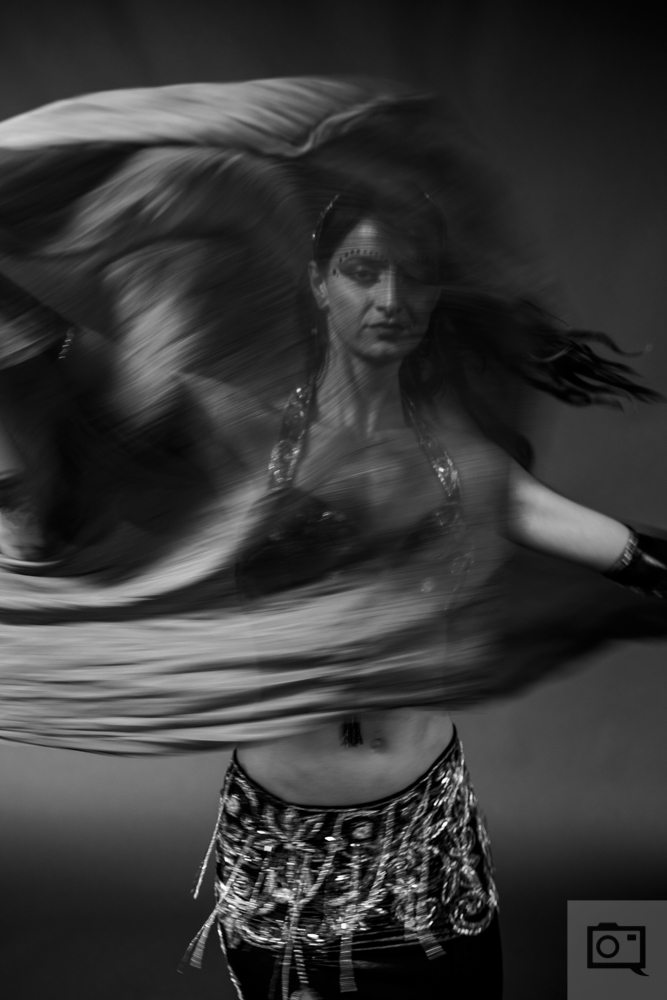

Otherwise known as rear-curtain sync, it’s not the same as Slow Sync. Rear curtain sync is much different and often has to do with the subject and how the trails will affect the scene. The above images were done using the slow sync effect — and it’s specifically something that Sony is known for moreso than other camera systems.
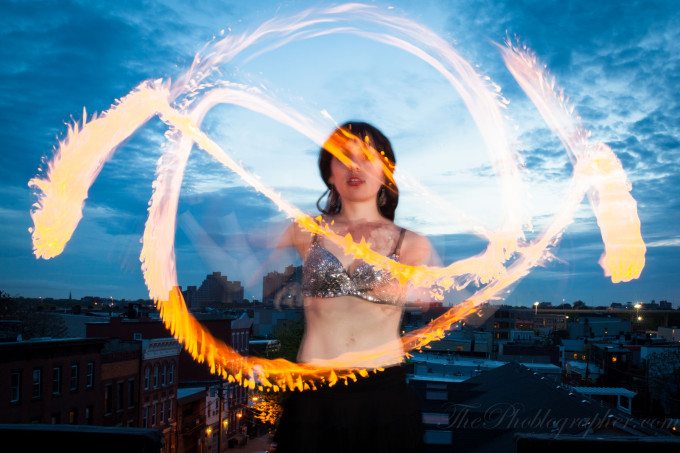
This is different from second curtain flash, which can be seen in the image above. It keeps a specific part of the scene really still while emphasizing the movement in the rest of it.

Of course, this look can also be achieved by shooting with a slower shutter speed. The photo above is from our Leica 35mm f1.4 Summilux review and demonstrates how the effect can look.


First off, this is a weird filter. You need to be pretty careful with it because not only is it heavy, but it will probably fall off the front of the lens if you’re not super cautious. That’s due to the design. The filter ring itself doesn’t feel very sturdy and the PrismFX GhostFX filter can also be rotated. So sometimes, when you think it’s mounted onto the lens securely, it probably isn’t. Because of the bulging design, it also needs to go onto other filters if you wish to combine effects.
The PrismFX GhostFX filter comes with a soft case and a hard case. I really don’t ever want to take it out of the hard case because I’ve had tons of filters break before — and all of them didn’t have protection on the front.


You can rotate the PrismFX GhostFX filter around the frame and observe what it does to different things in the scene. It’s kind of difficult to use, but once you get the hang of it, you’ll find it to be pretty fun.
While the effect is fun, I can’t help but feel like using real flash is so much better. When you shoot with a flash, magic truly happens. You’re suddenly photographing something that the human eye absolutely cannot see otherwise. Like a magician, you’ll say abra-cadabra, and an image will appear in a poof. You’re also getting the spotlight effect from the flash at times, too.
I love the look, but it’s taking the magic away from the fuller creativity and intentionality of the effect. Therefore, it’s sucking the juices of joy out of the fruit we worked so hard to cultivate.