

Last Updated on 01/05/2026 by Chris Gampat
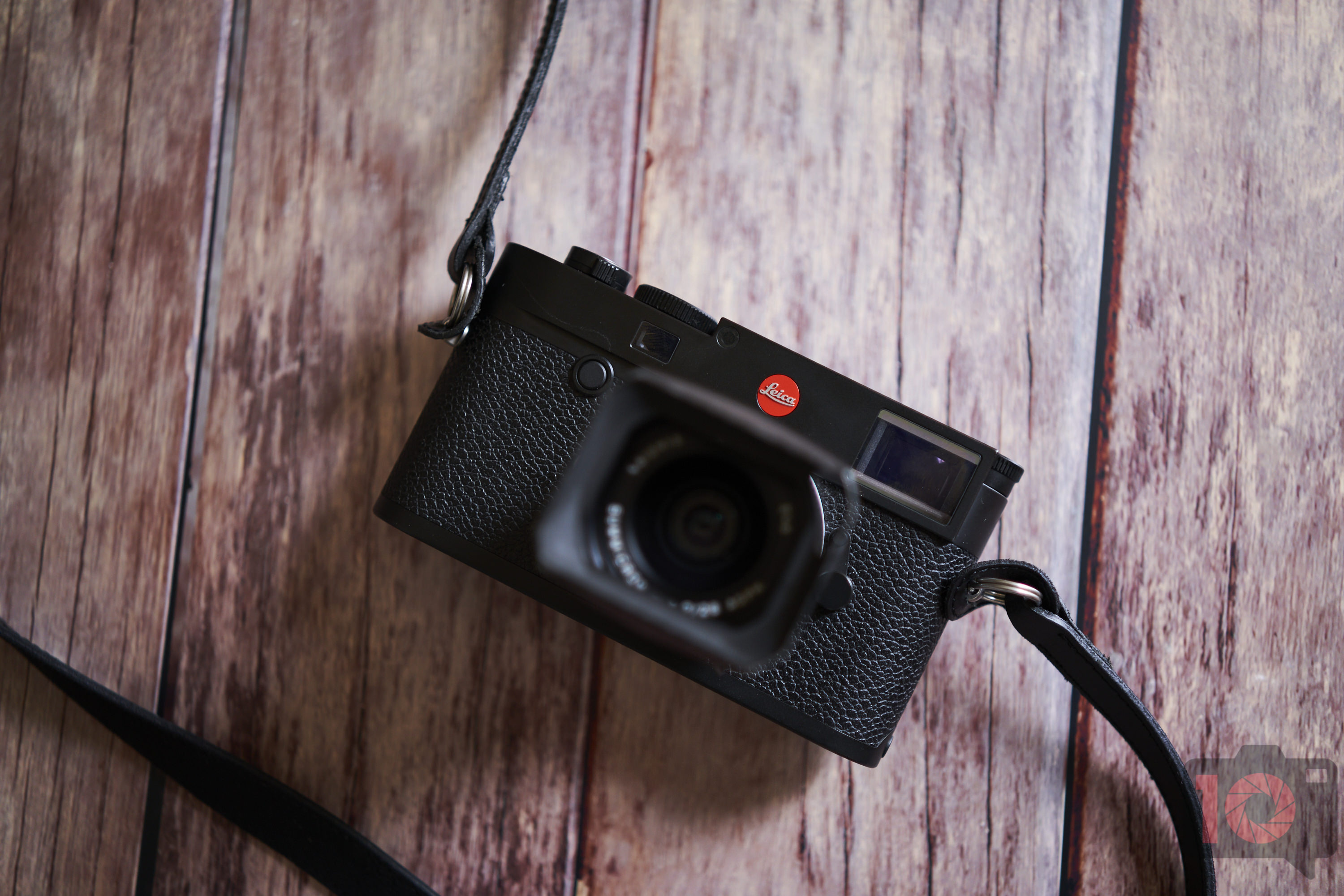
Leica cameras are renowned for their exceptional image quality and durability. The company’s venture into the luxury camera market has helped it pave the way for itself to become a giant in its own right. To push this further, it now appears that Leica is keen on making a true ‘Made in Germany’ camera, with the announcement of building an in-house sensor. This is exciting, as the next device the company will launch is the highly anticipated Leica M12.
Leica’s Sensor is Back
Reported by Leica Rumors, the reveal came from Dr. Andreas Kaufmann, Chairman of Leica’s Supervisory Board and majority shareholder, during a podcast interview. Dr. Kaufmann stated that the company had been creating its own sensor until the launch of the Leica M10, but soon after, they transitioned to using Sony-sourced sensors with the M11. However, this is about to change now, with Dr Kaufmann stating:
Furthermore, as has already become somewhat known, we are also developing our own sensor again. […] Up until the M10, we had a sensor of European origin. It was manufactured by AMS in Graz, or rather, developed by their Dutch development office. And the foundry itself was in Grenoble, a French company. And then there was the transition with the M11 to Sony sensors. It’s no secret that they’re in there. At the same time, we started developing our own sensor again, in a more advanced version. I think we’ve made significant progress with that. We can’t say more at the moment.
Furthermore, it appears that Leica began working on this sensor, possibly around the time they introduced the M11 in 2022. It takes a few years for the sensor to reach its maturity stage, and one could see this camera sometime later this year if the development proceeds smoothly.
Why Does This Sensor Matter
The Leica M10 boasts excellent dynamic range and high ISO performance. The company’s color science is unique in its own way, and the grains that you work with at high ISO are also quite film-like. In fact, as we said in our M10 review, “It makes bringing the DNG files into Capture One 10 almost as exciting as working in a darkroom because there’s a process that you have to follow. That means that you also need to think a bit differently when you work with the camera.” In fact, with the M11 sensor, the company revived the Kodachrome look in digital photography, which meant the images would mimic those of the M9 (which had a Kodak CCD sensor). Had the company created its own sensor, it could have explored more options.
Leica relied on sensors developed with AMS/Osram before the M11, which showcases the company’s capability to shape sensor characteristics. In fact, with the LUX camera app, the brand also pushed the ‘Leica look’ for the phones. In an era when competitors are establishing dominance with their own color schemes, Leica has the opportunity to stand out. Fujifilm’s film simulations, for instance, are highly sought after, as is the pristine quality of Sony sensors. Leica has a chance to appear to those who want fine-art image quality.
What the Leica Community Thinks
On Reddit, some Leica users or enthusiasts have pointed out the company’s past success and were hopeful that a new in-house design could reclaim a distinctive look. However, it will also reduce dependence on Sony, as the company has been creating sensors for many mobile phones. In a fan, some come and say there won’t be any “Sony color casts,” which showcases that many want Leica’s colors back.
At the same time, there is also the practical aspect: creating a sensor is an expensive venture. This means Leica may have to partner with specialist foundries or semiconductor designers instead of building everything in-house. Some even wondered if the new sensor could significantly impact color rendering on its own. Or as one Redditor said: “Sony is the industry leader in imaging sensors. Even Nikon uses them. What makes you think Leica can top it? How Leica, who has no semiconductor expertise, has the know-how to make a better sensor? At this point, I simply don’t think anyone is in a better position to make a better sensor than Sony, period. Color science? That’s entirely in the digital domain can be made as anything you need it to be.”
Either way, while there is hope, there is also scepticism. So, unless we see the M12 or get an official press release from the company, we are simply shooting arrows in the dark.
1